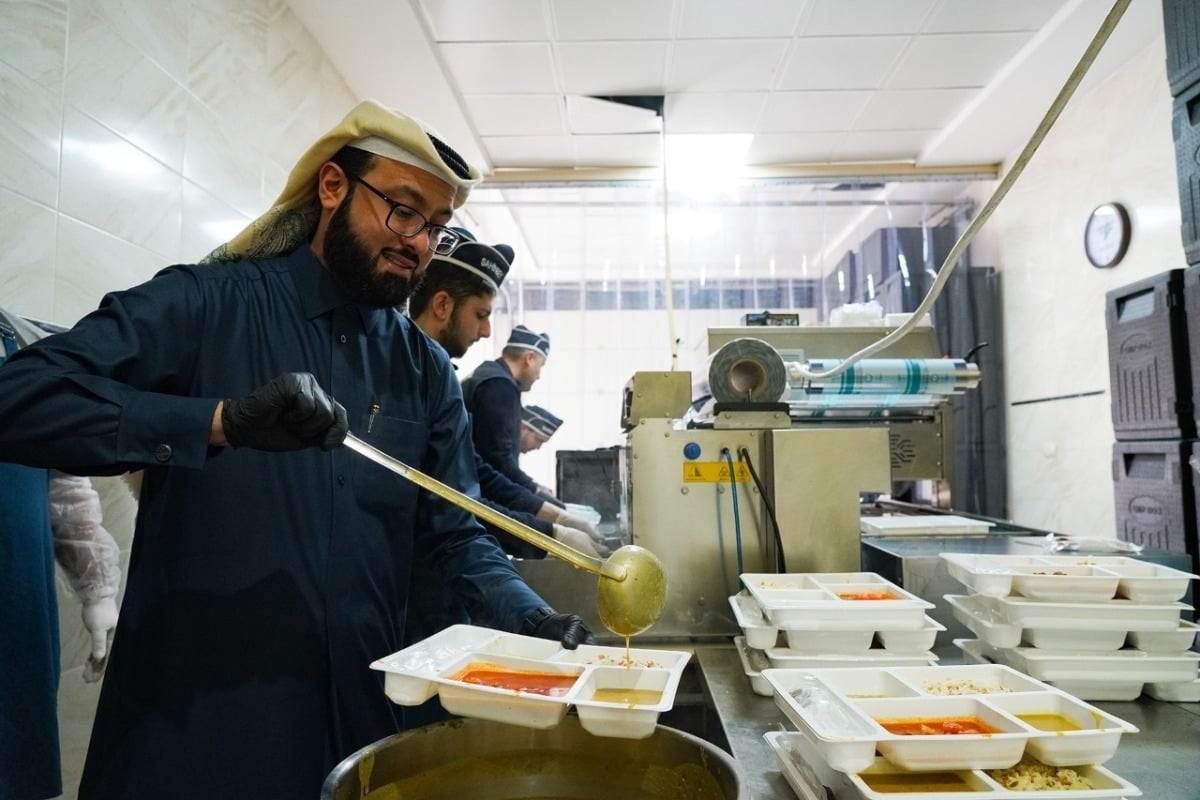

Gaziantep (Turkey), March 26 (QNA) – Qatar Charity’s office in Gaziantep, Turkey, distributed 120,000 Iftar meals since the first day of the holy month of Ramadan, as part of a project "Fasting breakfast"For the benefit of those affected by the earthquake that struck southern Turkey and the floods that followed, especially those who lost their homes and moved to live in tents and shelters, including Syrian refugees and orphans and needy Syrian families sponsored by Qatar Charity. And Qatar Charity indicated, in a statement, that a project had been launched "Fasting breakfast"In cooperation and coordination with municipalities and local authorities operating in the affected areas, Qatar Charity, in cooperation with the municipality of Uskudar, continues to distribute meals daily, at the rate of 1,500 meals in the city of Hatay, 750 meals in Kahramanmaraş, and 750 meals in Adiyaman. Throughout the holy month. The beneficiaries of the project, the municipalities and the concerned authorities in the affected Turkish regions expressed their gratitude to the philanthropists who supported the project, and to Qatar Charity, the implementing agency. Hilmi Turkman, Mayor of Uskudar, said: "We came from various Turkish cities to respond to the exceptional disaster in Hatay, the city most affected by the earthquake, and we are working with the support of our friends from inside and outside Turkey who did not leave us alone, including our brothers in the State of Qatar.". In a related context, Qatar Charity, in cooperation with the municipality of Shahin Bey in the city of Gaziantep, distributes 1,500 breakfast meals to those affected daily. A delegation from Qatar Charity participated in a group breakfast held by the municipality of Shahin Bey, and Mr. Mehmet Tahmazoglu, the head of the municipality, said in his speech. During breakfast: "The families of the martyrs who lost their breadwinners in the earthquake are a trust on our shoulders, and we hope in the blessed month of Ramadan that their condition will improve for the better."And he added: "I welcome our partners from Qatar Charity, with whom we are working to meet the needs and implement various projects to support those affected". For his part, Mr. Abdulaziz Hajji, Director of International Programs and Development Department at Qatar Charity, said: "The implementation and follow-up of Ramadan charitable projects would enhance social ties, cooperation and solidarity between individuals and different societies, and could encourage individuals to contribute to other projects, work together to improve their lives and the lives of local communities in general, and create a double positive impact, especially in the holy month.". He praised the charitable kitchen project, during which breakfast meals are prepared, indicating that it is a qualitative and integrated project that serves all segments of society and achieves a decent life for them, pointing out that: "Our participation in the collective iftar had a positive impact on the benefit of the families affected by the earthquake". In the state of Sanliurfa, Qatar Charity, in cooperation with the municipality of the state, distributes 1,500 breakfast meals per day, and it also distributes 500 meals in the Turkish city of Kilis. Mr. Ibrahim Karatumeh, Head of the Immigration and Integration Department in Şanlıurfa Municipality, said: "The distribution of carefully prepared Iftar meals promotes social solidarity in the month of compassion"indicating that "Qatar Charity demonstrates the generosity and support of the Qatari people, as we have close relations with our friends working here in Turkey, and we thank them very much.".