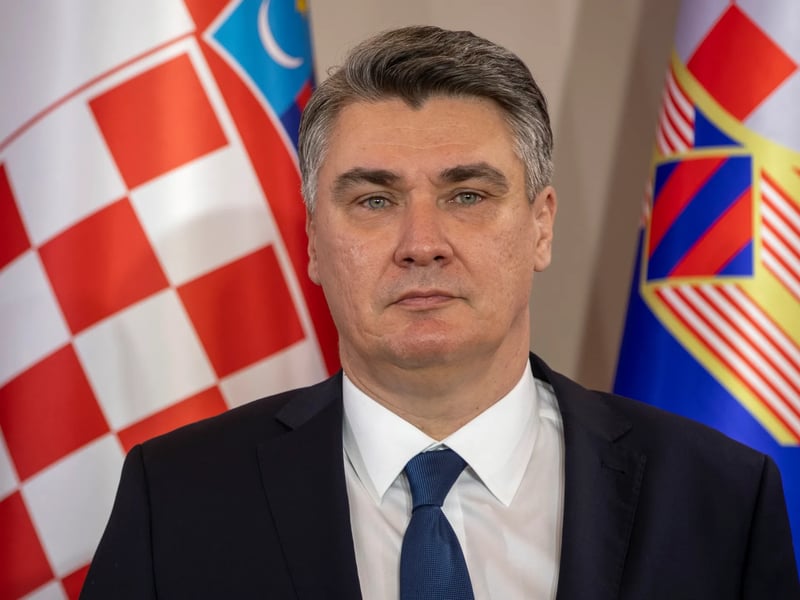

BELGRADE: Croatian President Zoran Milanović on Wednesday sharply criticized proposals to deploy Western troops to Ukraine after the end of the conflict, describing the initiative as dangerous, poorly conceived, and too uncertain for Croatia to support.
Speaking to Croatian Radiotelevision, Milanović said the concept promoted by the so-called “coalition of the willing” lacks clarity and could create new security risks rather than help preserve peace.
“The people who conceived it, without any clarity or form… That idea of Western military presence in Ukraine after some kind of peace agreement, which is supposed to occur, is very dangerous, ill-conceived and unreliable,” Milanović said.
The Croatian president reiterated that his country would not participate in the proposed multinational deployment, stressing that Zagreb must continue to safeguard its own national interests while remaining a reliable NATO ally.
“Croatia must be loyal and honest toward other NATO member states without losing sight of the evolving situation and its own interests,” he said.
Milanović added that Croatia is not part of the coalition of the willing, noting that he had repeatedly made the country’s position clear.
“This means that we are not part of the ‘coalition of the willing,’ which I have already reiterated here, although no one asked me,” he said.
The latest remarks follow Milanović’s long-standing opposition to involving Croatian troops in missions connected to the war in Ukraine. Over the past several years, he has consistently argued that Croatia should avoid direct military participation in initiatives that could deepen the conflict or increase tensions between NATO and Russia. Anadolu previously reported on his repeated opposition to such deployments.
The debate centers on the proposal championed primarily by France and the UK to establish a multinational military presence in Ukraine once a peace agreement is reached. Supporters argue such a force could help deter renewed hostilities and provide security guarantees for Kyiv without replacing Ukrainian armed forces. Reuters has reported that European governments continue discussing several possible postwar force structures.
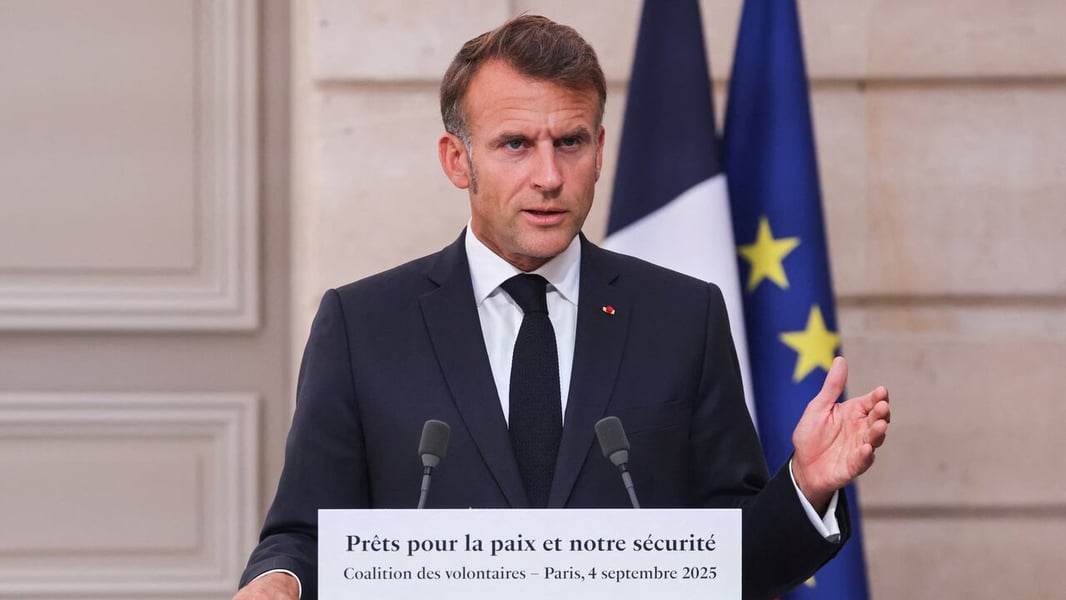
Emmanuel Macron previously said the proposed deployment would consist of “deterrent forces” positioned at strategic locations rather than a traditional peacekeeping mission. According to Macron, the initiative is intended to reassure Ukraine and discourage future military escalation after a negotiated settlement.
Croatia has remained among the more skeptical NATO members regarding such plans. Milanović has repeatedly argued that decisions concerning Croatian military participation must remain under Zagreb’s control and should not be driven by political declarations made outside existing NATO or EU obligations.
Russia has consistently opposed any proposal involving NATO member states deploying troops to Ukraine. Russian officials have warned that the presence of Western military personnel on Ukrainian territory, even after a ceasefire or peace agreement, would be unacceptable from Moscow’s perspective and could significantly increase the risk of confrontation.
The Russian Foreign Ministry has maintained that any scenario involving NATO troops in Ukraine would amount to further escalation rather than a contribution to lasting peace, arguing that such deployments would undermine efforts to achieve a stable political settlement.
The future of the “coalition of the willing” remains uncertain as European governments continue the discussions over possible long-term security arrangements for Ukraine. While some countries have indicated a willingness to contribute personnel under certain conditions, others, including Croatia, have publicly ruled out participation, highlighting the divisions that persist within Europe over the most effective framework for ensuring Ukraine’s future security after the conflict. The issue is expected to remain high on the European security agenda in the coming months.