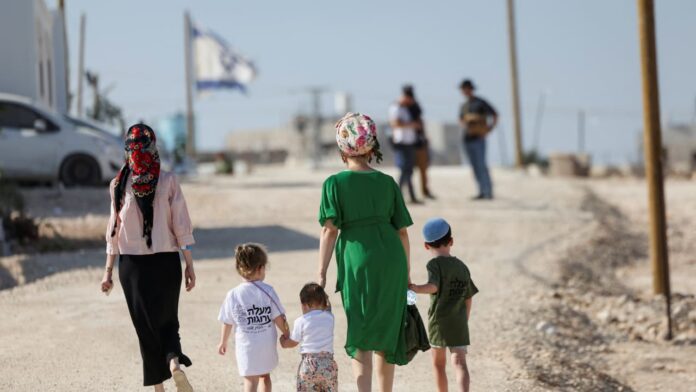

LUXEMBOURG – For two years, a single veto held the door shut. On Monday, it swung open – but the price of the key was paid not in Brussels, not in Kyiv, but in the villages of Transcarpathia, where roughly 100,000 ethnic Hungarians have lived on the Ukrainian side of the border since the redrawing of Europe after the Second World War.
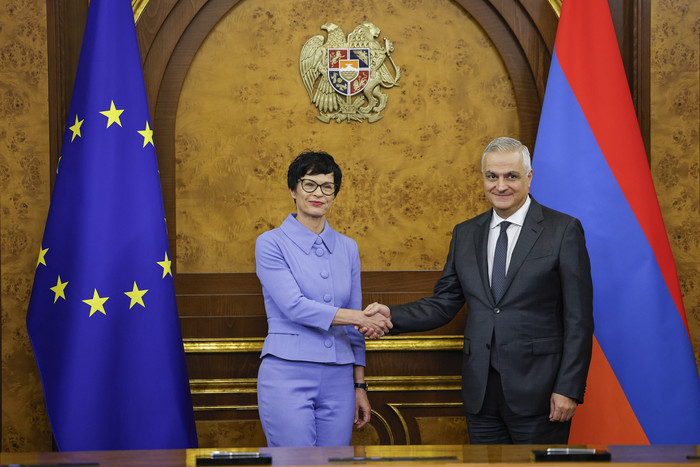
The European Union formally opened the first accession negotiation cluster with Ukraine and Moldova at intergovernmental conferences in Luxembourg on June 15, marking the most consequential procedural step either candidate country has taken since receiving EU candidate status in 2023. The opening came after EU Enlargement Commissioner Marta Kos arrived at the EU Foreign Affairs Council meeting and told waiting reporters that this was “a mega day for the enlargement process.”
The milestone carries weight well beyond the procedural. Cluster 1, known formally as the “Fundamentals” cluster, is deliberately constructed as the backbone of the entire accession framework – covering the rule of law, the functioning of democratic institutions, public administration reform, anti-corruption measures, fundamental rights, and economic criteria. It is the first cluster to open and, by design, the last to close. Every subsequent negotiating chapter ultimately answers to it. To open it is to begin; to close it is to be, in practice, ready for membership.
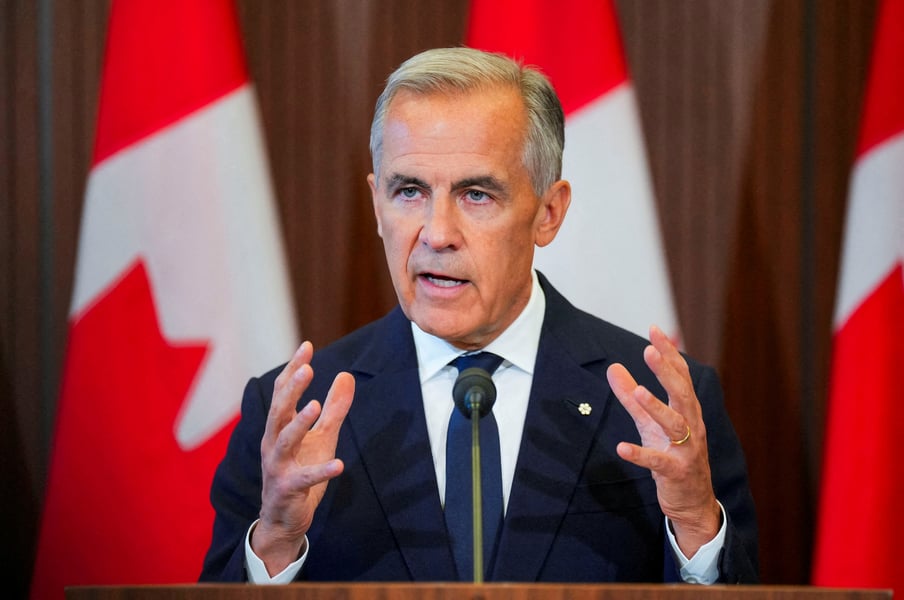
What no other outlet has fully confronted in today’s coverage is how narrowly this moment was unlocked. The decisive step was not a grand European summit or a legal workaround in Brussels. It was a Facebook video. On June 3, Hungarian Prime Minister Péter Magyar – in office since May 9, following his Tisza Party’s landslide defeat of Viktor Orbán in April elections – announced he had reached a comprehensive agreement with Kyiv on the linguistic, educational, cultural, and political rights of Ukraine’s Hungarian minority in the Zakarpattia region. Within hours, the Hungarian envoy in Brussels signalled the withdrawal of Budapest’s two-year veto, and the 27 member states achieved the unanimity they had been unable to reach under Orbán.
Ukraine has committed to reflecting those minority-rights obligations in its formal action plan submitted to Brussels as part of its membership application. The specific legislative steps required have not been publicly confirmed by Kyiv, and it remains unclear whether Ukraine can pass the necessary implementing laws while managing an active front line. That gap – between the diplomatic commitment and its legal enactment – is the live uncertainty underneath an otherwise historic day.
Commissioner Kos did not linger on that uncertainty. She raised instead a timeline that would, if kept, compress what is ordinarily a glacial process into a single summer. “If they deliver, we should deliver too,” she said outside the council meeting. “That’s why I expect that we will open all the rest of five clusters in July.” The five remaining thematic clusters cover areas including the internal market, competitiveness, the green agenda and sustainable connectivity, agriculture and cohesion, and external relations. Kos’s expectation – even framed as an expectation rather than a commitment – represents an acceleration the bloc’s own enlargement guidelines do not mandate.
The dual track for Ukraine and Moldova reflects a deliberate political pairing. Moldova, a smaller and less geopolitically complex candidate, has advanced in tandem with Ukraine despite facing a distinct set of domestic challenges. Deputy Prime Minister for European Integration Cristina Gherasimov represented Chisinau at the Luxembourg conference, alongside Moldovan Prime Minister Alexandru Munteanu. The EU’s decision to move both countries simultaneously signals that the bloc does not intend to allow Moldova’s accession to be held hostage to the pace of Ukraine’s war-time reforms.
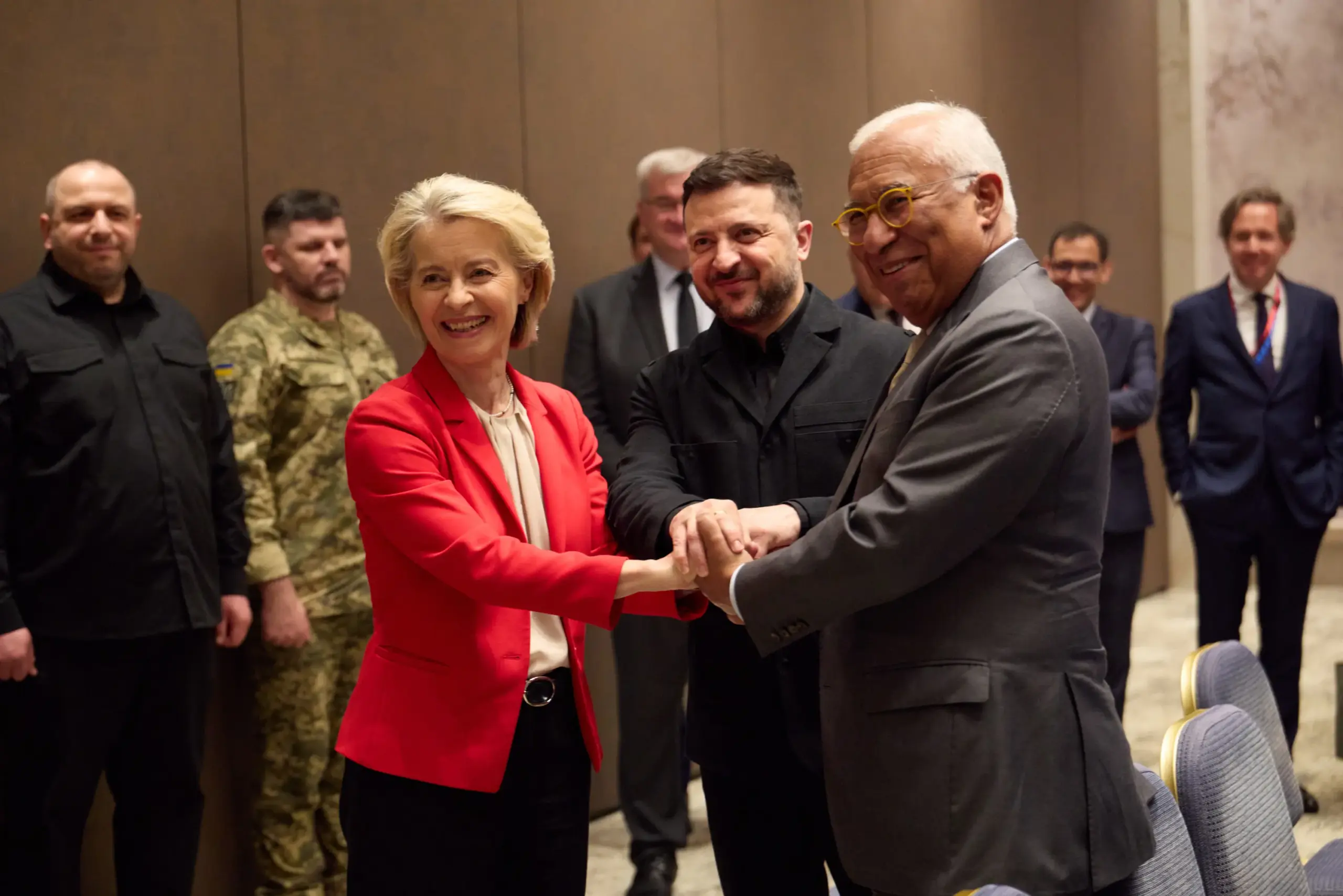
The formal opening was co-presided over by the Cypriot Presidency of the Council of the EU, which had worked intensively since Hungary’s formal approval in early June to schedule the Luxembourg conferences. European Council President António Costa and European Commission President Ursula von der Leyen framed the decision in a joint statement as recognition of “the determination, courage and hard work shown by both countries in advancing reforms, even in the face of immense challenges.” Von der Leyen described enlargement as a “strategic choice” in their joint Council statement.
Moscow, which has consistently framed both Ukraine and Moldova’s European integration as a threat to what it describes as its “near abroad,” did not immediately issue a formal response. Russian officials have previously argued that maintaining influence over post-Soviet states is central to the country’s national security – a position that makes the eastward expansion of the EU’s formal accession architecture a matter of strategic consequence beyond Brussels.
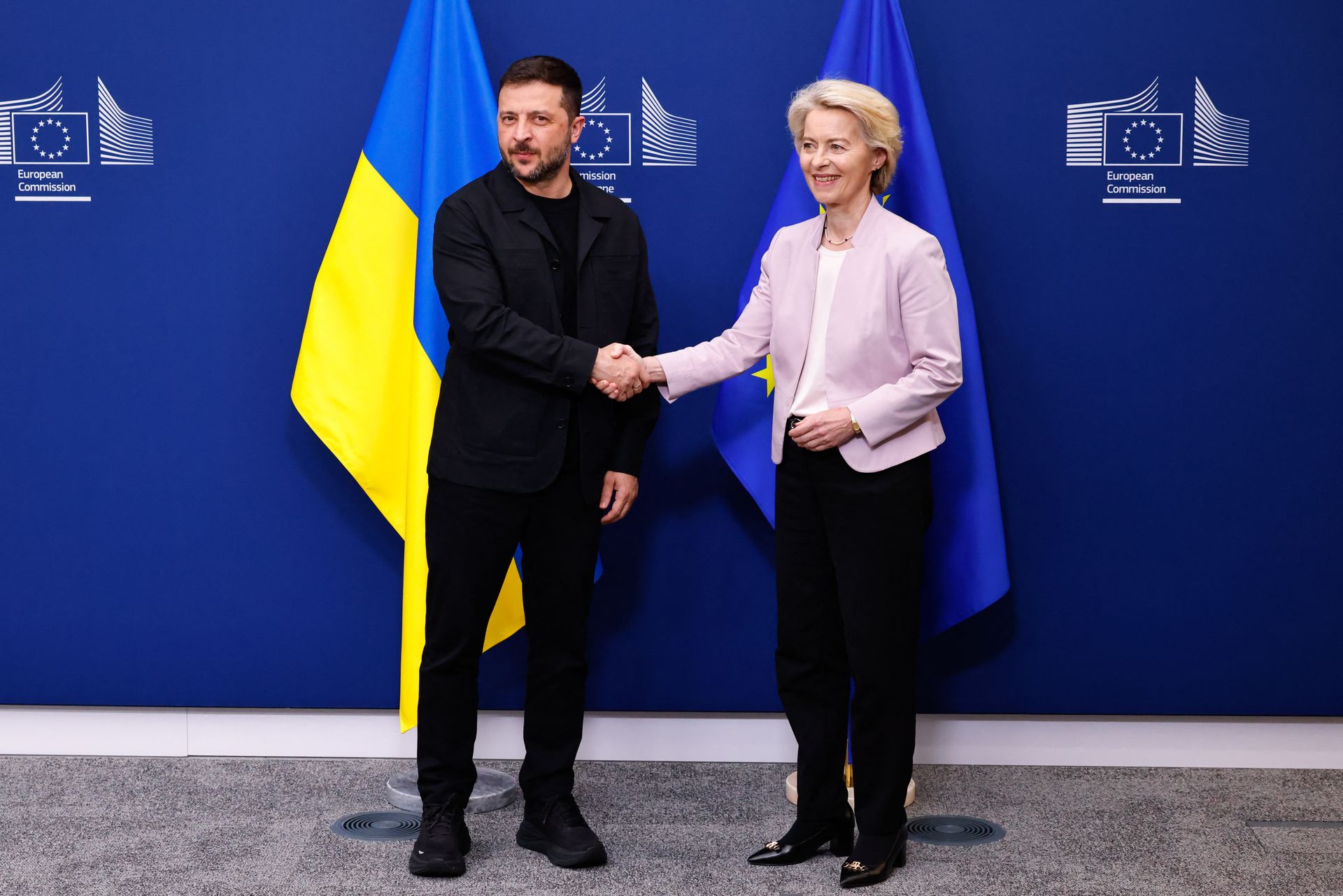
For Ukraine, the political symbolism is inseparable from the security logic. President Volodymyr Zelenskyy has repeatedly described EU accession as a form of security guarantee – the kind of binding institutional architecture that NATO membership, still blocked for Ukraine, would otherwise provide. Opening Cluster 1 is not that guarantee. The accession process, even on an accelerated timetable, spans years and requires the closure of all 33 negotiating chapters across six clusters. As Euronews reported, Magyar himself said he would hold a referendum on Ukraine’s membership only if Kyiv managed to close all 33 chapters within ten to fifteen years.
But the political signal of Monday’s opening is not about the destination. It is about what it took to get here: a two-year Orbán veto that outlasted his government; a new Hungarian prime minister who traded the withdrawal of that veto for written commitments on minority rights that his predecessor could never extract; and a European commissioner who looked at those conditions being met and decided, in Luxembourg, that July was close enough to start moving.
Whether Ukraine can simultaneously wage a war, pass minority-rights legislation, and advance five more accession clusters in a single month is not a question Kos answered. It is the question Monday raised.