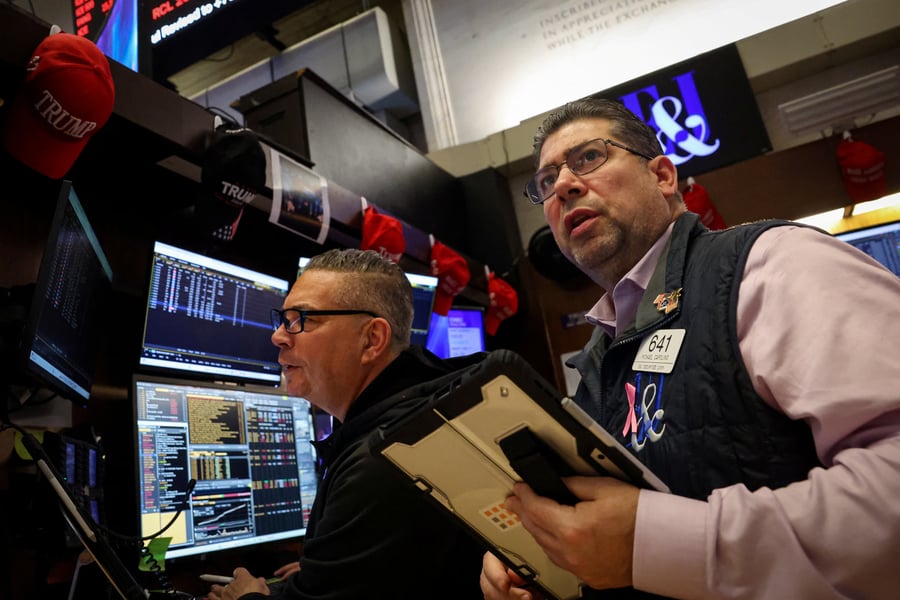

Tech Giants Drive Market Momentum
Alphabet’s impressive rally on Monday served as the primary catalyst for the market-wide surge, with investors responding enthusiastically to the company’s latest artificial intelligence developments. The tech giant’s unveiling of its Gemini 3 AI model represented a significant advancement in the competitive AI landscape, reinforcing confidence in the company’s technological leadership and future growth prospects. This optimism quickly spread throughout the technology sector, lifting shares of other major players including Nvidia, Tesla, and other semiconductor manufacturers who benefited from the renewed investor appetite for growth stocks.
The semiconductor sector experienced particularly strong gains, building on positive momentum from Nvidia’s recent earnings report that exceeded analyst expectations. The AI chip manufacturer had reported revenue soaring 62% year-over-year to $57.01 billion, with fourth-quarter guidance surpassing predictions and reinforcing investor confidence in sustained AI infrastructure demand. CEO Jensen Huang directly addressed concerns about an AI bubble during the earnings call, stating that the company observes “a very different scenario” from its operational vantage point. His comments helped alleviate fears that have periodically surfaced about overinvestment in artificial intelligence technologies and infrastructure.
Federal Reserve Rate Cut Expectations Fuel Optimism
Growing expectations for a December interest rate cut by the Federal Reserve provided additional support to the rally, with traders increasingly pricing in monetary policy easing. The probability of a rate cut at the Fed’s December meeting has risen significantly following comments from New York Fed officials, who kept the door open for further rate reductions. Goldman Sachs forecasts suggest that the Federal Reserve is likely to implement a rate cut in December as employment indicators show cooling trends.
Market participants have been closely monitoring economic data releases and Fed officials’ statements for signals about the central bank’s policy trajectory. The combination of moderating inflation pressures and signs of employment market softening has created conditions that support the case for continued monetary easing, according to financial analysts. This dovish sentiment has particularly benefited growth-oriented technology stocks, which are more sensitive to interest rate movements due to their longer-duration cash flow profiles. Lower rates reduce the discount factor applied to future earnings, making high-growth companies more attractive to investors seeking capital appreciation.
The shift in monetary policy expectations represents a notable reversal from earlier in 2025, when the Federal Reserve maintained a more hawkish stance amid persistent inflation concerns. The central bank’s evolving position reflects improved inflation data and a recognition that employment indicators warrant a more accommodative approach to support economic stability.
Global Markets Respond to US Tech Rally
Asian markets opened with mixed trading on Tuesday, November 25, as investors digested the strong US performance while awaiting additional economic data. Japanese markets, reopening after a holiday, showed gains as did South Korean equities, tracking the technology-led advance on Wall Street. Chinese stocks listed in the US climbed 2.8% following the first conversation between US President Donald Trump and Chinese President Xi Jinping since their previous tariff truce agreement.

The Trump-Xi dialogue covered multiple critical topics including trade relations, Taiwan, and Ukraine, with both leaders agreeing to maintain communication channels. President Trump emphasized the importance of the US-China relationship, describing it as among “the most important in the world for many years to come.” The constructive tone of the conversation helped ease concerns about potential escalation of trade tensions, providing support to Asian equity markets and multinational corporations with significant China exposure.
European markets also responded positively to the Wall Street rally, with technology stocks leading gains across major indices. The pan-European STOXX 600 index advanced, driven by semiconductor and software companies that benefit from the global technology spending cycle. Currency markets remained relatively stable, with the dollar holding steady against major currencies as traders balanced rate cut expectations against continued economic resilience.
Sector Performance and Market Breadth
Beyond the headline technology rally, market breadth showed encouraging signs of broader participation. The Russell 2000 index of small-cap stocks gained 1.2%, suggesting that investor confidence extended beyond mega-cap technology leaders. Financial sector stocks also advanced, benefiting from steeper yield curves and improved lending conditions that typically accompany monetary policy easing expectations.
Consumer discretionary stocks posted solid gains, reflecting optimism about holiday shopping season prospects and sustained consumer spending power. Retail giants reported encouraging early Black Friday sales indicators, supporting the thesis that American consumers remain willing to spend despite elevated prices in certain categories. The energy sector lagged the broader market as oil prices remained under pressure from concerns about global demand and increased production from non-OPEC countries.
Healthcare stocks showed mixed performance, with pharmaceutical companies posting modest gains while medical device manufacturers faced headwinds from regulatory uncertainty. The sector’s relative underperformance compared to technology highlights the concentrated nature of Monday’s rally, though analysts note that defensive sectors may attract increased attention as investors seek portfolio balance heading into year-end.
Volatility and Options Market Signals
The CBOE Volatility Index, often referred to as Wall Street’s fear gauge, declined sharply to its lowest level in three weeks, reflecting diminished anxiety among options traders. The VIX drop accompanied the equity rally, suggesting that investors view the current market environment as offering improved risk-reward dynamics. Options positioning data indicated heavy call buying in technology stocks, particularly in the semiconductor sector, signaling trader expectations for continued upside momentum.
Institutional investors appeared to reduce hedging positions, with put-call ratios declining across major indices. This shift in derivatives positioning suggests that professional money managers are becoming more comfortable with equity exposure after a period of heightened caution. However, some strategists caution that reduced hedging activity could leave portfolios vulnerable to unexpected negative surprises, particularly given elevated valuations in certain market segments.
Looking Ahead: Economic Data and Policy Decisions
Market participants will closely monitor upcoming economic data releases, including inflation indicators and employment reports, which could influence the Federal Reserve’s December policy decision. The combination of strong corporate earnings from technology leaders, improving US-China diplomatic relations, and accommodative monetary policy expectations has created a supportive environment for risk assets heading into the final weeks of 2025. The shortened Thanksgiving trading week may see reduced volumes, but the positive momentum established on Monday has set an optimistic tone for year-end market performance.
Analysts project that technology stocks will remain in focus as companies continue reporting quarterly earnings and providing guidance for 2026. The artificial intelligence investment theme shows no signs of waning, with infrastructure spending commitments from major cloud providers expected to support semiconductor demand well into next year. However, valuation considerations remain paramount, as some high-flying stocks trade at premium multiples that assume sustained high growth rates.
The interplay between monetary policy, corporate earnings, and geopolitical developments will likely determine market direction in the coming weeks. While the current environment appears favorable for risk assets, investors should remain attentive to potential catalysts that could shift sentiment, including unexpected inflation data, Federal Reserve communications, or international developments that might affect trade relationships and global economic stability.