

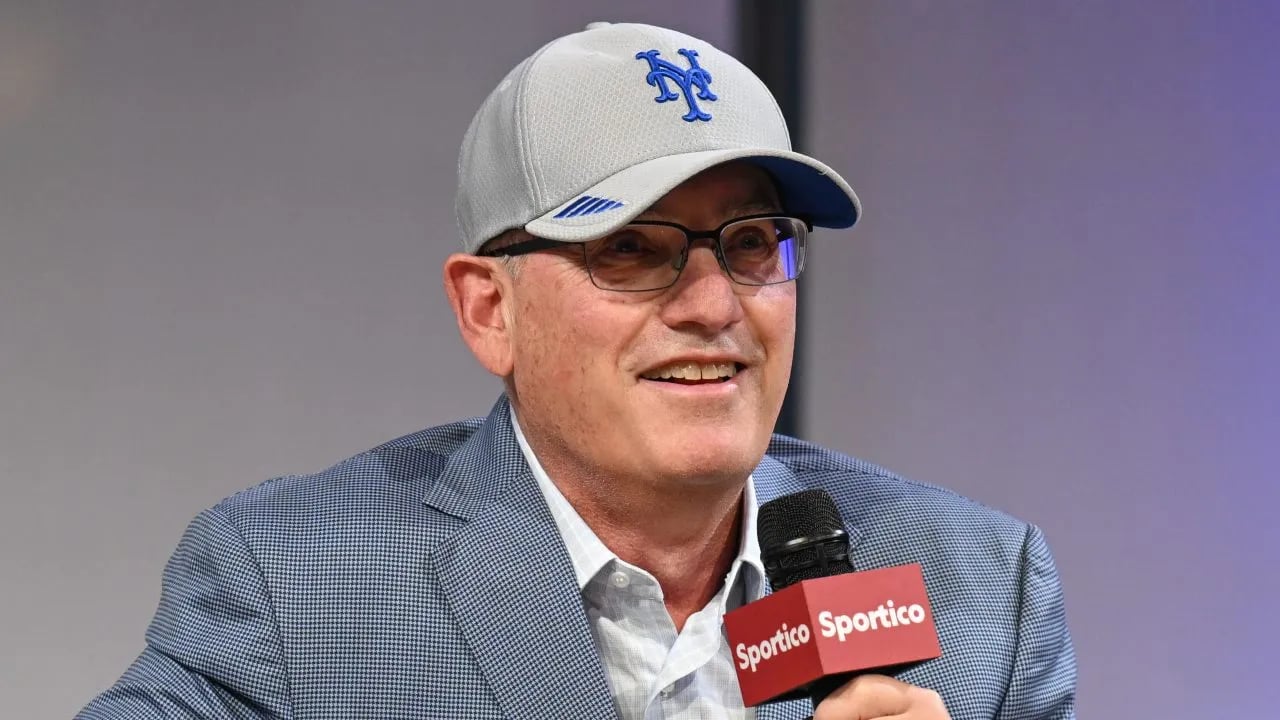

NEW YORK — A high-stakes bid by hedge fund billionaire Steve Cohen, owner of the New York Mets, to build a casino and entertainment complex near Citi Field has emerged as one of the most closely watched developments in New York’s ongoing effort to award downstate casino licenses. The proposal, known as Metropolitan Park, reflects both the promise of economic revival and the persistent concerns surrounding large-scale gambling expansion in densely populated urban areas.
The project, still subject to New York State’s competitive licensing process, envisions transforming approximately 50 to 80 acres of parking lots adjacent to Citi Field in Queens into a mixed-use destination. Plans include a casino operated in partnership with Hard Rock International, alongside a hotel, public park space, restaurants, and a live entertainment venue, similar to earlier proposals outlined in the Queens casino Metropolitan Park approval process. Supporters describe it as a once-in-a-generation investment opportunity for Queens, while critics warn of social and economic consequences that could outweigh projected benefits.
A Competitive Race for Limited Licenses
New York State is expected to award up to three downstate casino licenses, with bids concentrated in New York City and its surrounding suburbs. Cohen’s proposal is competing against several high-profile projects backed by major real estate developers and gaming operators, including proposals in Manhattan, the Bronx, and Yonkers.
State officials have framed the licensing process as a way to generate tax revenue, create jobs, and regulate an already thriving gambling market. According to the New York State Gaming Commission, casino expansion is intended to bring economic activity into the formal economy while supporting public services through licensing fees and taxation.
Cohen’s bid stands out for its scale and location. Citi Field, located in Flushing Meadows–Corona Park, sits in a borough that has historically received less large-scale private investment compared to Manhattan. Proponents argue that Metropolitan Park could help rebalance that disparity.
Economic Promises and Projections
Developers behind the Metropolitan Park proposal have outlined a range of projected benefits, including thousands of construction jobs and several thousand permanent positions once the complex becomes operational. The plan also includes commitments to infrastructure upgrades, public green space, and transit improvements.
Economic impact assessments commissioned by project backers estimate billions of dollars in long-term economic activity. These projections, however, are based on modeling assumptions that depend on visitor demand, regulatory conditions, and broader economic trends, as seen in broader studies on the economic impact of casino expansion.
Independent analysts caution that while casinos can generate revenue, they may also redistribute spending rather than create entirely new economic activity. Studies of similar projects in other US cities have shown mixed outcomes, with gains in tourism often offset by declines in local discretionary spending.
Community Response: Support and Resistance
Local reaction in Queens has been divided. Labor unions and some business groups have expressed support, citing job creation and potential investment in infrastructure. Several community organizations have also welcomed the inclusion of parkland and public amenities in the proposal.
At the same time, neighborhood advocates and civic groups have raised concerns about the long-term impact of a casino in a densely populated area. Issues frequently cited include traffic congestion, housing affordability, and the risk of increased problem gambling.
Public hearings and community advisory processes have become a critical part of the approval pathway. Under New York law, casino proposals must secure support from local advisory committees before advancing to the final licensing stage. These committees include representatives from local government, community boards, and other stakeholders.
Political and Regulatory Landscape
The casino licensing process has drawn significant political attention, reflecting both the financial stakes and the influence of major developers. Lobbying efforts by competing bidders have intensified as the state moves closer to making its final decisions, particularly during the broader NYC casino race.
While campaign contributions and lobbying are legal and common in large infrastructure and development projects, watchdog groups have called for transparency to ensure a fair and competitive process. State officials have emphasized that final decisions will be based on a combination of financial viability, community support, and overall public benefit.
Governor Kathy Hochul’s administration has positioned casino expansion as part of a broader economic development strategy. However, regulators face the challenge of balancing revenue generation with social responsibility, particularly in communities already dealing with economic inequality.
Urban Casinos and Broader Trends
The debate surrounding Metropolitan Park reflects a wider national trend toward integrating casinos into major metropolitan areas. In recent years, several US states have expanded gambling frameworks to include urban casinos, sports betting, and digital wagering platforms.
Industry data indicates that US commercial gaming revenue has reached record levels, driven in part by the legalization of sports betting and increased consumer demand for entertainment experiences. However, public policy experts note that higher revenues often coincide with increased regulatory complexity and social costs, as highlighted in ongoing coverage of the NYC casino boom.
Research on gambling expansion highlights potential risks, including addiction, financial distress, and pressure on local services. These concerns have prompted calls for stronger safeguards, including funding for addiction treatment programs and stricter oversight of casino operations.
Infrastructure and Environmental Considerations
One of the key issues surrounding the Queens proposal is infrastructure capacity. Citi Field is already a major event venue, and the addition of a casino complex could significantly increase traffic in the area.
Transportation planners have emphasized the need for detailed impact assessments, including traffic modeling, transit upgrades, and pedestrian safety measures. Developers have pledged to invest in infrastructure improvements, but specifics remain subject to regulatory review.
Environmental considerations also play a role. Any large-scale development in or near parkland requires careful evaluation under state environmental laws. These reviews typically examine air quality, noise levels, and potential effects on surrounding ecosystems.
What Comes Next
The timeline for awarding downstate casino licenses remains uncertain, though decisions are expected within the next regulatory cycle. Before any project can move forward, it must pass multiple layers of approval, including environmental review, community advisory votes, and final authorization by the state gaming board.
For Cohen and other bidders, the outcome will shape not only the future of New York’s gambling industry but also the economic landscape of the city itself. A successful bid could redefine parts of Queens as a major entertainment hub, while a rejection would send developers back to the drawing board.
As the process unfolds, the debate over Metropolitan Park underscores a broader question facing cities across the United States: how to balance economic development with community well-being in an era of increasingly ambitious private investment.
Whether seen as an opportunity for revitalization or a source of new challenges, the proposed casino in Queens remains a focal point in New York’s evolving approach to growth, regulation, and urban planning.
Related Posts










I am a constituent of the senator’s and have been involved in the fight against this casino for some time. She was never initially supportive. She was agnostic, pending her town halls.
Senator Ramos’s bill explicitly excluded a casino. The language listed several uses that would be permitted under her bill. The relevant section reads–
“(7) a hotel and convention center, upon such
terms and conditions as may be agreed upon by the city and such company,
affiliate and other entity; provided, however, that such lands shall not
be used for the purposes of a gaming facility.”
Her alienation bill can be read here–
https://www.nysenate.gov/legislation/bills/2023/S9747
It was designed to call Steve Cohen’s bluff. The land could be used for something other than a parking lot. But Cohen has to have his casino.
Please correct this error: Senator Jessica Ramos has steadfastly opposed the casino project. She is the only elected official who listened to her constituents. Senator John Liu is the one who flipped to support it.