
New York City stands on the cusp of a historic transformation as it prepares to welcome up to three new full-scale casinos, promising to inject billions in investments and tax revenues into a city eager for economic revitalization. This ambitious casino licensing race, set to conclude by the end of 2025, has dominated headlines across financial and political landscapes, promising an economic boom but raising important questions about fiscal benefits and community impact.
The final contenders, including renowned giants such as Resorts World, Bally’s, and Hard Rock, have submitted bids laden with grand promises, upfront license fees alone are slated to exceed $500 million per venue. These operators envision a combined fiscal windfall generating upwards of $1.5 billion annually in tax revenues, expected to funnel significant sums into city coffers while projecting the creation of more than 60,000 permanent jobs. Such numbers offer a compelling narrative for New Yorkers seeking economic recovery and workforce expansion.
However, historical insights from upstate casinos temper expectations, where initial revenue forecasts frequently fell short of actual collections. Economists and state officials alike scrutinize these projects cautiously, aware that optimistic projections often collide with market realities. The official NYC report on casinos outlines both the potential economic benefits and the need for rigorous regulatory monitoring to safeguard taxpayer interests.
The competitive bidding process has intensified as casino operators submit amended tax rates and revenue models to the New York State Gaming Facility Location Board. Steve Cohen’s $8 billion Metropolitan Park proposal in Queens recently cleared a major hurdle with a unanimous advisory committee vote, while Manhattan casino bids were rejected after facing fierce community opposition, shifting the geographic focus of casino development to outer boroughs.

The NY State Tax Expenditures report highlights the intricate balance of incentivizing development while ensuring consistent revenue streams, underscoring the importance of transparent tax structures. The tiered tax models proposed by casino operators are designed to capture a significant share of gaming revenue, yet the debate persists on how much of these taxes will translate into tangible public benefits versus operational costs and profit margins.
City officials point to the extensive community workforce initiatives embedded within the license bids, aiming to prioritize local hiring and diversity targets. Notably, the Economic Development Corporation has emphasized opportunities for small business contracts and supplier diversity, critical for ensuring the economic ripple effects reach beyond the casino floors. Industry analysts, including those from Analysis Group’s economic studies, have noted that successful implementation of such measures could serve as a model for equitable growth in urban gaming markets.
The gaming industry’s economic footprint extends far beyond the casino floor. Nationwide, the sector employs over 700,000 people and contributes $104 billion in wages and benefits annually, demonstrating the potential scale of New York’s casino expansion. Research shows that casino regions typically experience employment increases of up to 8% within the first five years, while wages in casino-hosting counties have surged by an average of 46 percentage points compared to areas without gaming facilities.
Despite the promise, community advocacy groups raise concerns about potential increases in problem gambling and the socio-economic ramifications of expanding casino gaming. Studies available from Spectrum Gaming Research stress the need for responsible gaming programs, highlighting how integrated support systems must be a central component of any casino operation to mitigate risks to vulnerable populations. New York State provides 24/7 support through the state HOPEline with trained counselors offering confidential assistance.
The rise of online gaming legislation adds another dimension to the casino debate. iGaming platforms are projected to generate billions in additional tax revenue for states like New York, with some estimates suggesting online gaming markets could contribute more to state coffers than their brick-and-mortar counterparts. The federal government’s new 3% tax structure on online gambling wins is expected to yield over $2 billion annually when fully operational, complementing state-level collections.
The casino race has also sparked a fierce political and media spotlight. Bloomberg’s coverage contextualizes the high-stakes environment among bidders, where financial muscle and visionary urban development plans collide. Similarly, Politico’s insight navigates the complex interplay between aspirational city goals and fiscal realities, documenting the negotiations shaping the city’s economic future.
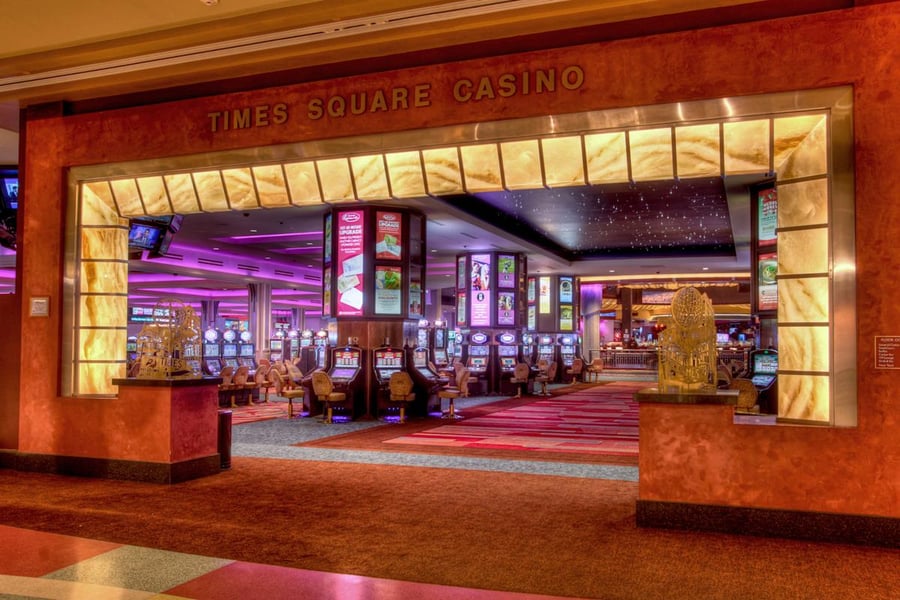
While Manhattan bids for casinos in prime locations like Times Square were ultimately rejected, shifting focus to boroughs such as Queens and Brooklyn reflects a strategic decision to distribute economic opportunity and mitigate localized disruptions. Steve Cohen’s Queens casino proposal exemplifies this trend, promising job creation, tax revenue, and public benefits while navigating concerns about traffic congestion and social costs.
Tax revenues from casino operations have proven transformative in other jurisdictions. Small nations that have embraced online casinos have seen significant economic benefits, including job creation in IT, customer support, and compliance sectors. The Philippines, for instance, has become a major hub for multilingual customer support services driven by online gambling industry demand.
The broader national context provides important perspective. Recent quarterly reports from major casino operators show robust revenue growth across multiple markets, bolstering confidence in New York’s casino projections. However, international markets offer cautionary tales as well, Macau’s casino volatility demonstrates how geopolitical factors and regulatory changes can impact gaming revenues unpredictably.
As the city awaits the Gaming Facility Location Board’s final decisions, the stakes extend beyond immediate fiscal calculations. The casino licenses represent a broader bid to redefine New York City’s post-pandemic economic identity. With billions at play, the success of this venture will depend not only on tax revenues but on the city’s capacity to balance growth with community well-being, equity, and responsible management.
Industry observers note that existing gaming operators with strong labor ties and outer-borough plans supported by local officials have fared better in the approval process than celebrity-backed Manhattan proposals. The structural advantages of the two existing racinos, Resorts World in Queens and Empire City in Yonkers, position them as likely frontrunners since their gaming floors already exist and could begin generating full casino tax revenues within months of licensure.
The timeline is tight but scripted. Applicants must submit supplemental materials, including proposed tax rates, by mid-October. The Gaming Facility Location Board has set a December 1 target to select winners, followed by formal licensure by the State Gaming Commission by year’s end. Even on schedule, any new construction will require years of development and additional city approvals, including environmental review and potential rezonings.
This unfolding chapter in New York’s economic story will be closely watched by policymakers, residents, and investors alike, eager to see whether the promised benefits materialize or whether lessons from other markets will temper expectations. The integration of these new casinos into the fabric of New York City will undoubtedly shape its trajectory for decades to come, influencing everything from neighborhood development patterns to state budget planning and social service delivery.