
The estate of Gary Curtis Jones, an Alabama businessman who died after contracting Legionnaires’ disease following a work trip to Las Vegas, has filed a wrongful-death lawsuit against two off-Strip casino resorts, raising renewed concerns about hotel water safety and public health oversight.
Concerns about environmental exposure risks in large hospitality settings are not new. As previously examined in The Eastern Herald’s reporting on public health and environmental safety, dense tourism infrastructure can create conditions where waterborne pathogens pose regulatory challenges if monitoring systems are not rigorously maintained.
Travel-related health preparedness has also become increasingly central to modern tourism. In an earlier analysis of travel planning and safety challenges faced by tourists, highlighted how environmental risks, including infectious disease exposure, are shaping the global travel industry.
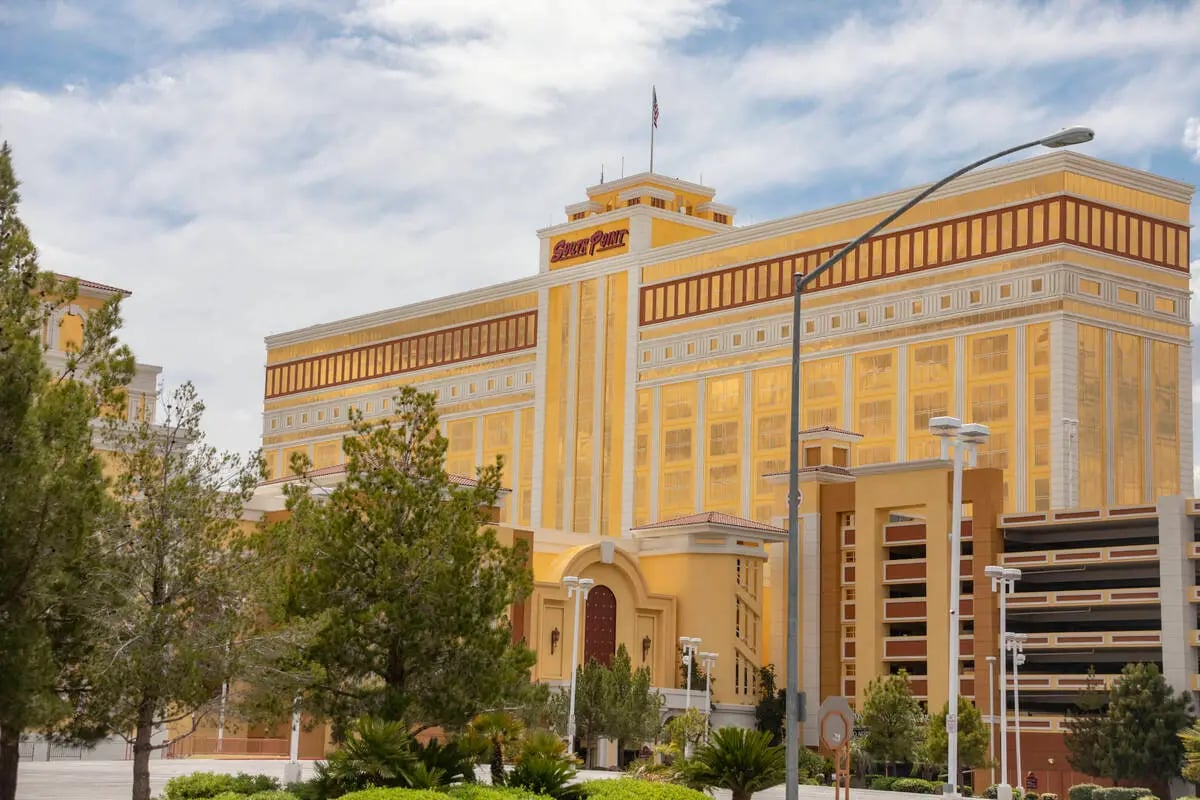
According to court filings, Jones stayed at The Grandview and the South Point Hotel Casino during his March 2023 visit. Shortly after returning home, he developed severe respiratory symptoms consistent with Legionella infection. He was later hospitalized with pneumonia and died on April 2, 2023.
Details of the lawsuit were first reported by The Independent, which cited allegations that both resorts failed to properly maintain water systems where Legionella bacteria can thrive.
Regional coverage in the Las Vegas Review-Journal reported that the estate is pursuing claims of gross negligence, asserting that operators knew or should have known about the risks associated with contaminated water systems.
How Legionnaires’ Disease Spreads
Legionnaires’ disease is a severe form of pneumonia caused by inhaling aerosolized water droplets containing Legionella bacteria. The pathogen thrives in warm, stagnant water found in large plumbing systems, decorative fountains, cooling towers, and hotel spas.
Multiple travel-associated cases in Southern Nevada have drawn attention from public health authorities. Investigations into cases linked to properties in the southwest Las Vegas Valley, including the resorts named in the lawsuit.
The Southern Nevada Health District has conducted environmental sampling at affected locations. A broader overview of those investigations was outlined in regional coverage examining what guests needed to know about potential exposure at The Grandview and South Point hotels.
Broader Pattern of Litigation
The Jones case is part of a wider pattern of Legionnaires’-related litigation in Las Vegas. An Associated Press report described separate diagnoses involving former guests of The Orleans Hotel & Casino, prompting environmental testing and remediation efforts.
Such cases have intensified scrutiny of water management protocols across the hospitality sector, particularly in high-volume tourist destinations where complex plumbing systems operate continuously.
Legal and Public Health Implications
Under Nevada premises liability standards, hotel operators must maintain reasonably safe conditions for guests. Maintenance logs, water testing documentation, and remediation histories often become central evidence in determining whether negligence occurred.
Health experts emphasize that Legionnaires’ disease is not transmitted person-to-person. Infection occurs when contaminated water droplets are inhaled. Symptoms typically appear within two to ten days and can include fever, persistent cough, muscle aches, and shortness of breath. Early antibiotic treatment significantly improves survival rates.
The lawsuit now proceeds in Nevada courts, where discovery may provide deeper insight into water management practices at the named properties. The outcome could influence how Las Vegas resorts, and hotels nationwide, approach Legionella prevention and guest safety compliance in the years ahead.
Related Posts