The release of millions of documents under the Epstein Files Transparency Act has triggered a sweeping global reckoning, exposing a web of relationships that stretch across academia, finance, and political power. What began as a long-delayed disclosure of records tied to disgraced financier Jeffrey Epstein has evolved into a multi-continent crisis, raising urgent questions about accountability, institutional complicity, and the limits of transparency.
At the center of this unfolding storm are three parallel developments: an academic investigation at Bard College, a high-profile raid on a major European banking institution, and an escalating political confrontation in Washington over missing and redacted records. Together, they form a portrait of a scandal that is no longer confined to Epstein himself but has expanded into a broader examination of elite networks and systemic opacity.
Bard College Under Scrutiny
The academic world has been among the first to feel the shockwaves. At Bard College, longtime president Leon Botstein is facing mounting scrutiny after newly surfaced accounts and documents suggested a closer relationship with Epstein than previously acknowledged.
According to reporting, a former Epstein victim alleged that Botstein’s association helped legitimize him within elite intellectual circles. She recalled encounters in which Botstein’s presence lent credibility to Epstein, including during visits to Epstein’s private island.
These claims are reinforced by newly released emails contained in the Epstein Files, which document years of contact between the two men, including interactions that continued well after Epstein’s 2008 conviction.
The controversy has reverberated far beyond a single campus. Across the United States, universities are reexamining past associations with Epstein, particularly relationships that persisted after his conviction.
This academic reckoning underscores a central tension: the intersection of intellectual prestige and moral accountability. For many institutions, the Epstein Files have exposed not only individual relationships but also systemic blind spots that allowed those relationships to persist.
European Financial Sector Shaken by Rothschild Probe
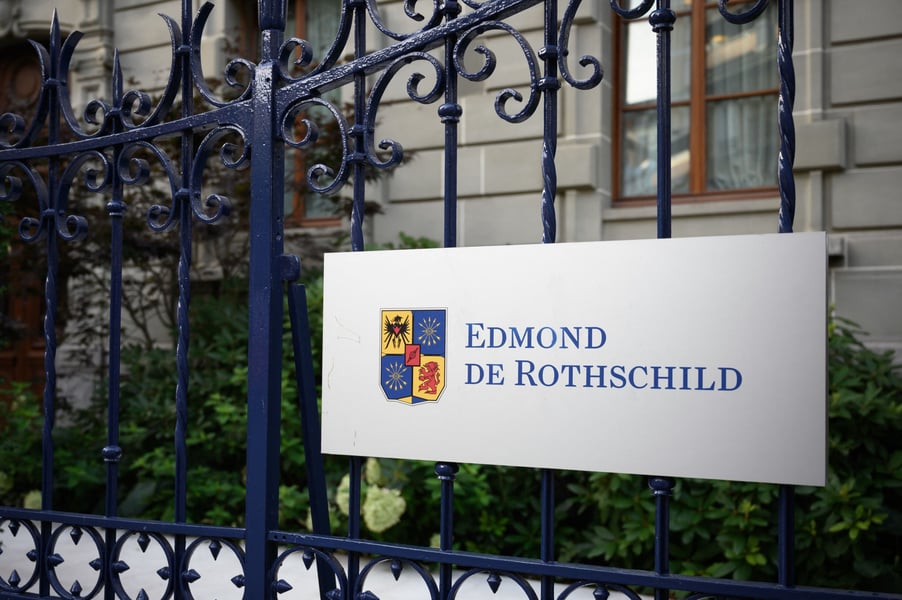
While American universities confront their past, Europe’s financial sector is facing its own moment of crisis. French authorities have conducted a dramatic raid on the Paris offices of Edmond de Rothschild, a prominent private banking group, as part of an investigation linked to Epstein.
The probe centers on a former diplomat whose name appears in hundreds of documents released in the Epstein Files. Investigators allege that the individual maintained extensive correspondence with Epstein, including communications that may have involved sensitive international material.
Prosecutors are examining whether these interactions constitute corruption involving a foreign public official, a charge that significantly elevates the legal stakes of the investigation.
The bank has stated that it is cooperating fully with authorities and has launched its own internal review. However, the revelations have already triggered reputational damage and intensified scrutiny of the broader financial ecosystem in which Epstein operated.
Adding to the controversy are reports of long-standing communication between Epstein and senior figures within the bank, raising questions about how deeply his influence may have penetrated elite financial networks.
This development marks a critical shift in the trajectory of the Epstein Files story. What was once viewed primarily as a criminal case centered on an individual now appears to involve potential intersections with global finance, diplomacy, and institutional governance.
Washington in Turmoil Over Missing Documents
In the United States, the political fallout has been equally intense. lawmakers from both parties have expressed frustration over the handling of Epstein-related documents by the Department of Justice.
The controversy reached a boiling point when members of Congress walked out of a closed-door briefing, accusing officials of withholding critical information and relying on excessive redactions.
At the heart of the dispute are missing or withheld materials, including missing or withheld materials, including FBI notes, that lawmakers argue are essential to understanding the full scope of Epstein’s network.
The scale of the document release has only intensified these concerns. The Justice Department has disclosed millions of pages of material, along with vast volumes of images and videos tied to the case, yet questions remain about what has not been made public.
Despite this unprecedented volume, critics argue that key information remains concealed. Some lawmakers who reviewed unredacted files have accused the department of obscuring crucial details, including the identities of individuals mentioned in the documents.
The political implications are profound. The dispute has fueled accusations of a potential cover-up and prompted calls for subpoenas and sworn testimony from senior officials.
A Global Network Comes Into Focus
What distinguishes the Epstein Files from previous disclosures is their scope. The documents reveal a network that spans continents and sectors, linking individuals and institutions that might otherwise appear unrelated.
From academic leaders to financial executives to government officials, the files suggest that Epstein’s influence extended into some of the most powerful circles in the world. In many cases, these relationships persisted even after his criminal conduct became public knowledge.
The implications of these connections are still being debated. While inclusion in the files does not necessarily indicate wrongdoing, the breadth of the network has raised urgent questions about how such access and credibility were maintained for years.
Some observers have described the revelations as evidence of systemic failures, in which institutions prioritized access, funding, or influence over ethical considerations. Others caution against drawing broad conclusions from incomplete records.
The Limits of Transparency
The Epstein Files Transparency Act was intended to bring closure to a case that has long been shrouded in secrecy. Instead, it has opened new avenues of inquiry and intensified demands for accountability.
One of the central challenges is the tension between disclosure and redaction. While millions of documents have been released, significant portions remain blacked out or withheld, leading to accusations that the process has fallen short of its stated goals.
Lawmakers and advocates argue that full transparency is essential not only for justice but also for restoring public trust. Yet officials contend that certain redactions are necessary to protect victims and preserve ongoing investigations.
An Unfolding Crisis
The Epstein Files have transformed what was once a closed chapter into an ongoing global crisis. The investigations at Bard College, the raid on Edmond de Rothschild, and the political battles in Washington are not isolated events but interconnected elements of a broader reckoning.
For institutions, the stakes are high. Reputations built over decades are now being reassessed in light of newly revealed associations. For governments, the challenge lies in demonstrating that accountability applies across all levels of power.
As investigations continue and more details come to light, one thing is certain: the full impact of the Epstein Files has yet to be realized.