

NEW YORK — Goldman Sachs launched a private markets investment platform on Tuesday designed to give wealthy clients structured access to high-growth private companies, targeting investors who want ownership in the next SpaceX or Stripe before either company appears on a public exchange.
The platform, reported by CNBC, is aimed at ultra-high-net-worth clients who have long had the capital to pursue private investments but lacked the institutional relationships to access early-stage allocations in companies that remain private well past the scale at which a public listing might otherwise be expected. Goldman is building the infrastructure that replaces the phone call to a connected banker with a formalized product.
The timing follows a specific demand signal the bank could not ignore. The SpaceX IPO that Goldman Sachs led in June, which SpaceX detailed in its pricing announcement listing Goldman and nine other underwriters, priced at $135 per share and closed its first trading day at $158.42 at a $1.75 trillion valuation, the largest initial public offering in stock-market history. In the conversations Goldman’s private wealth managers had with clients after the listing, the message was consistent: wealthy clients did not want to buy SpaceX at $158. They wanted to have bought it at $40 or $80, in a round that never appeared in a brokerage app.
Private markets access for individuals is not a new idea. Venture capital secondary funds, boutique placement agents, and family office networks have been selling pre-IPO allocations to wealthy investors for years, with varying degrees of transparency, liquidity terms, and fee structures. What Goldman brings is the distribution infrastructure of a firm that manages more than two trillion dollars in assets under supervision and the client relationships of the world’s leading investment bank. Both matter at a scale that boutique operators cannot reach.
Stripe is among the companies most frequently named in the wealthy-client conversation about private markets access. The payments infrastructure company, valued at approximately $91 billion in its most recent funding round, has stayed private longer than almost any comparable company at its scale. The institutional investors in its cap table have had secondary-market access that individual investors have historically not. Goldman’s platform is designed to change the terms of that access.
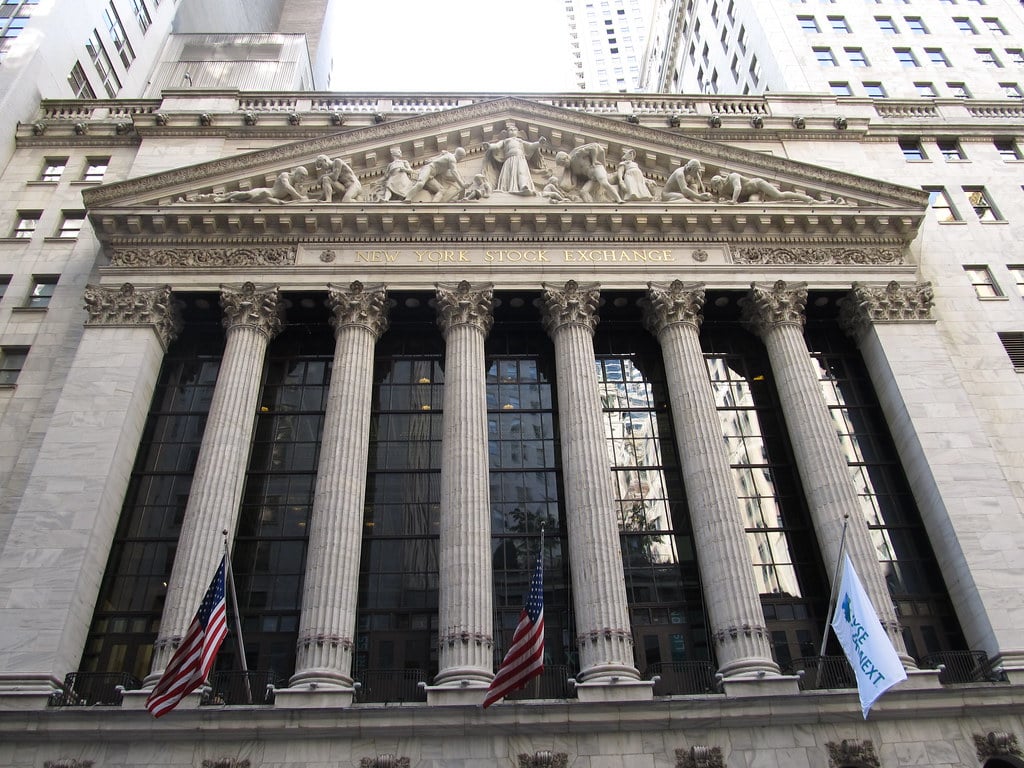
Goldman’s record quarterly earnings earlier this month, $6.6 billion in net income for the second quarter, a 78 percent increase year on year, were driven partly by the AI-financing and dealmaking surge that has enlarged the pool of valuable private companies seeking capital before any public listing. The bank’s position as a leading underwriter in that cycle places it in contact with the companies whose pre-IPO shares wealthy clients want to own, and the new platform is the mechanism for connecting those two sides of the demand.
The risks are the ones Goldman will not emphasize in its marketing materials. Private company valuations lack the continuous price discovery of public markets. Liquidity is limited or nonexistent until a company lists, is acquired, or fails. The returns that look compelling on a venture fund’s internal rate of return calculations reflect survivorship bias that individual investors are poorly positioned to replicate across a portfolio. And the companies most attractive in the wealthy-client conversation, the ones that have become status investments in family office discussions, are often the ones already priced up to levels where the asymmetric upside that made them interesting early has been substantially distributed to earlier holders.
Goldman’s platform adds to a broader shift in which the boundary between public and private markets has been dissolving for investors who can absorb illiquidity. The SpaceX listing established what a successful pre-IPO to IPO transition can return at scale. It also established a model for what institutional access to those pre-IPO rounds looks like, and Goldman’s new platform is its version of that access delivered to the private wealth client base that watched the June listing from the outside.
Whether the platform produces returns that justify the illiquidity premium, and whether it meaningfully changes the distribution of private-market upside beyond the institutional buyers who have always had first access to it, are questions Goldman’s launch announcement does not answer. The next several years of private company performance, exits, and failures will establish whether the product does what its positioning suggests.