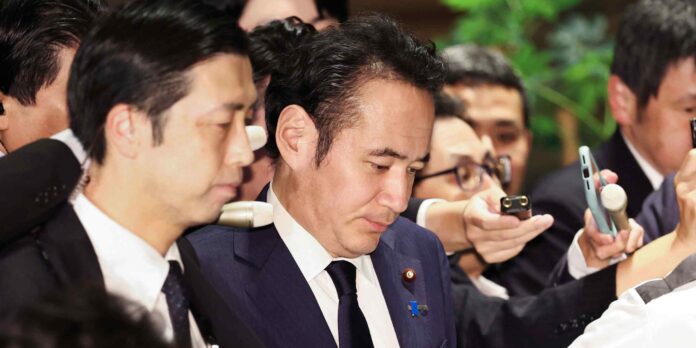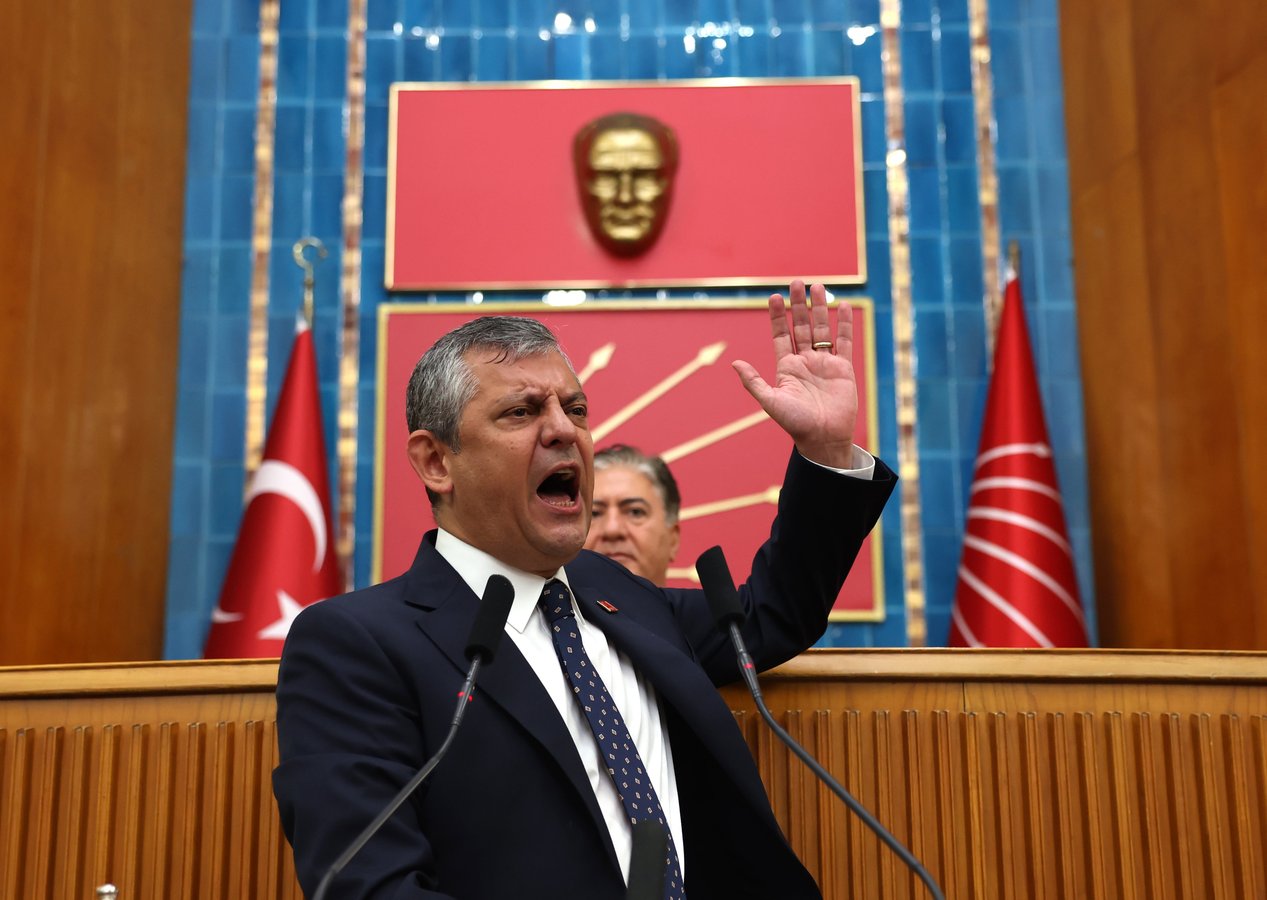

ISTANBUL – When police arrived at the CHP headquarters in Ankara on the morning of May 24, Ozgur Ozel was still inside. Officers used tear gas and rubber bullets to remove him. A Turkish court had ruled that his election as party leader was void, reinstating his predecessor, and the eviction made the ruling literal. Eight weeks later, Ozel returned to parliament and announced he was starting over.
In a speech to the Grand National Assembly on Monday, Ozel said he planned to form a new political party, the first significant split in the main Turkish opposition in years. He predicted the new party would become the leading opposition force “by a wide margin” and said 135 of the CHP’s current parliamentarians would leave the party and join him. “These are the determined steps of a march toward governing Turkiye,” he said.
A Turkish appeals court, in May 2026, annulled the CHP’s 2023 internal congress, the vote that had made Ozel party leader, and ordered the reinstatement of Kemal Kilicdaroglu. Kilicdaroglu had lost the 2023 presidential election and the subsequent party leadership vote. The court ruling reversed that second outcome and placed him back at the head of a party his successor had been running for more than a year.
Ozel refused to accept the ruling, remained at the party headquarters, and was physically removed by police. The episode carried a weight in a country that has imprisoned opposition mayors, disqualified elected officials and replaced hundreds of local officeholders with government-appointed trustees. Critics have characterized those actions as systematic political persecution. The government has consistently described them as legally justified anti-corruption proceedings.
CHP currently holds 135 of 600 seats in the Grand National Assembly. If Ozel’s count of defectors is accurate, the new party would begin its parliamentary life with a bloc drawn entirely from an opposition already outnumbered by Erdogan’s AKP and its coalition partners. Whether the split helps or hurts the opposition depends on the framing: a new party could expand the opposition’s reach, or it could divide the opposition vote in a system that punishes fragmentation.
Murat Gezici, chairman of the Gezici pollster, offered a cautious assessment. “This picture can only change if the new party can create a very strong societal response,” he said. The polling landscape for opposition parties in Turkey has been difficult since at least March 2025, when Istanbul Mayor Ekrem Imamoglu, widely regarded as the opposition’s strongest potential presidential candidate, was imprisoned on corruption charges that rights groups described as politically motivated.

The broader backdrop is a sustained legal and political campaign against opposition structures that began in late 2024. Hundreds of elected officials have been detained on corruption allegations, local mayors have been replaced by government trustees, and at least two separate opposition party leaderships have faced court-ordered intervention. The weeks around Turkey’s NATO summit in July saw more than 100 Communist Party activists detained and journalists blocked from covering protests in Ankara, a pattern that has become routine rather than exceptional.
The European Union’s response has been to escalate its language without changing its policy. A European Parliament resolution in June called for targeted human rights sanctions against Turkish Justice Minister Akin Gurlek, naming him specifically as responsible for politically motivated prosecutions. An AKP lawmaker called a Slovenian MEP to ask what Turkey could do to have Gurlek’s name removed from the sanctions demand. The answer: democratic reform. The resolution passed regardless.
Ozel’s announcement lands in that environment. A new party drawing 135 seats from CHP would, in one reading, inject new energy into a calcified opposition and create a stronger challenger to Erdogan by broadening the field. In another, it risks the Turkish opposition’s most persistent problem: its inability to unify behind a single candidate or platform at moments when unity is what actually threatens the governing coalition.
What Kilicdaroglu plans to do with the party he has been handed back by court order is not yet clear. He lost the 2023 presidential election after securing the broadest opposition coalition Turkey had seen in decades. He then lost the party leadership. He now holds it again, under circumstances his successor is calling a judicial coup. The two men’s public positions are incompatible, and the party they are both claiming represents Turkey’s main secular, center-left tradition.
“The hope of a new beginning,” Ozel told parliament. That phrase will be tested against an electoral system, a judicial environment and a media landscape that, for most of the past two years, have moved consistently in Erdogan’s direction. Whether a new party changes that trajectory, or simply adds one more variable to a situation already without a clean resolution, is the question Ozel’s announcement leaves open.