
The decision by the National Football League to hand the Seattle Seahawks the opening stage of the 2026 season would have been routine in any other year. As reigning Super Bowl champions, Seattle was always destined to host the traditional kickoff game. What makes this moment different, and historically significant, is not the team, but the timing.
For the first time in decades, the NFL will begin its regular season on a Wednesday night kickoff.
On September 9, 2026, under the lights of Lumen Field, the Seahawks will launch a new season in a departure from long-standing tradition, reflecting a league increasingly willing to reshape its calendar in pursuit of global reach and commercial expansion. The opponent, yet to be announced, will matter less than the symbolism of the moment: a midweek kickoff that signals a new era in how the NFL organizes its most important product.
The move, confirmed across multiple league announcements and reporting, is tied directly to a second, equally historic development. Just one day later, on Thursday, September 10, the San Francisco 49ers will face the Los Angeles Rams in game in Melbourne, Australia, marking the first regular-season NFL game ever played on the continent.
The two decisions are inseparable. Together, they illustrate a league recalibrating its priorities, placing global audiences and broadcast strategy on equal footing with domestic tradition.
A Break From Tradition
For decades, the NFL’s opening game has followed a predictable script. The defending Super Bowl champion hosts a Thursday night contest, broadcast nationally, setting the tone for the season ahead. It is a ritual that blends continuity with spectacle, a ceremonial passing from one season to the next.
That script has now been rewritten.
The 2026 opener will take place a day earlier than usual, making it only the second Wednesday kickoff in modern league history. The shift is not cosmetic; it is structural. The league had little choice once it committed to staging a Week 1 Australia game, a logistical undertaking complicated by time zones, broadcast windows, and legal restrictions on scheduling.
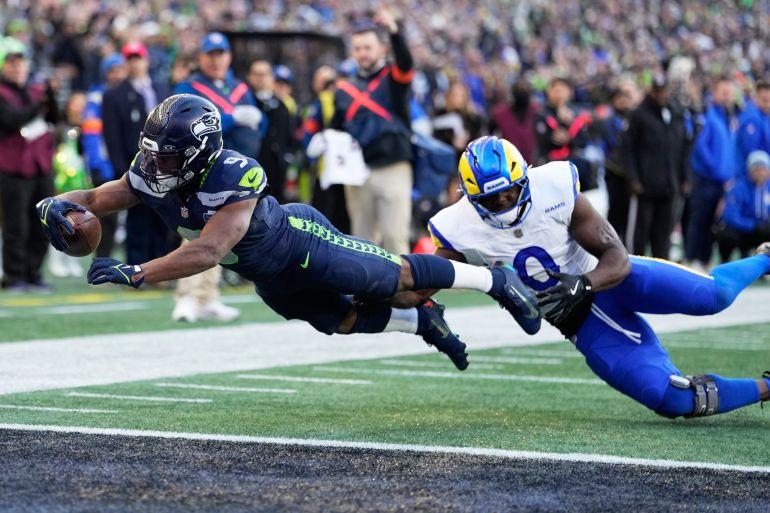
The result is a compressed but expanded opening week: football stretching across more days, capturing more attention, and reaching more markets.
Seattle’s Moment
For Seattle, the spotlight is both expected and earned.
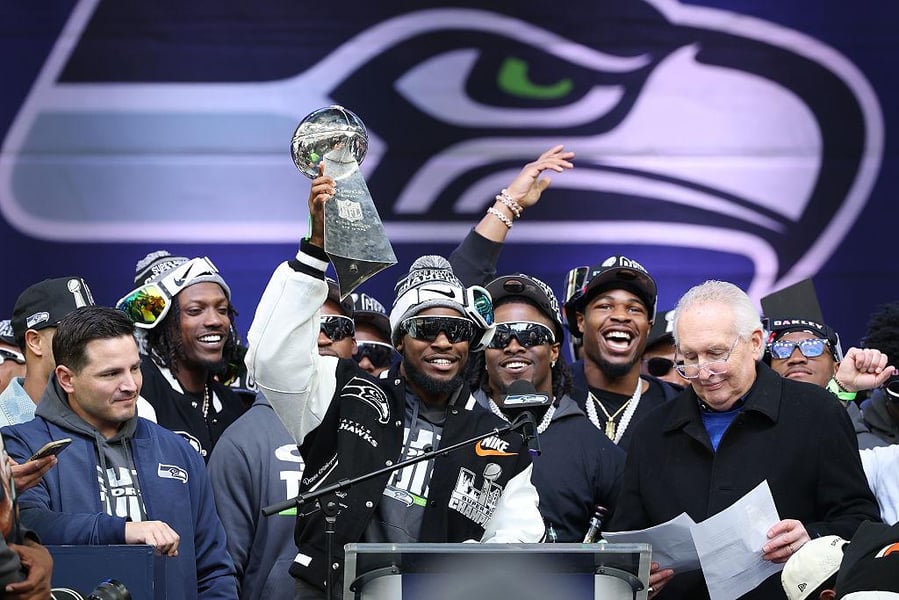
The Seahawks enter the 2026 season as defending Super Bowl champions, having secured the Lombardi Trophy earlier in the year. Their victory not only reaffirmed their status as one of the league’s elite franchises but also guaranteed them the right to host the opening game, a privilege reserved for champions.
This will be the franchise’s first time hosting a season opener in such unusual circumstances. Lumen Field, already one of the most formidable home venues in the NFL, will now serve as the stage for a global broadcast event that stretches far beyond the Pacific Northwest.
The significance of the moment is amplified by uncertainty. The Seahawks’ opponent has not yet been announced, with the full NFL schedule expected to be released later in the spring. Potential matchups include high-profile interconference or divisional clashes, each carrying its own narrative weight.
But regardless of the opponent, the focus will remain on the timing, and what it represents.
The Global Imperative
The NFL’s decision to stage a regular-season game in Melbourne is more than a novelty. It is part of a deliberate strategy to expand the league’s footprint beyond the United States, tapping into new markets and audiences.
In recent years, the league has increased its international presence, hosting games in London, Mexico City, and Germany. The addition of Australia marks a significant escalation in that effort, both geographically and symbolically.
The Melbourne game reflects the complexities of global scheduling. The time difference between the US and Australia creates unique challenges, forcing the league to rethink its traditional broadcast windows.
By shifting the Seattle opener to Wednesday, the NFL effectively creates a two-day global kickoff event. Fans in North America will watch the Seahawks on Wednesday night, then tune in again the following evening for the Australia showcase. International audiences, meanwhile, will experience the games in entirely different time frames, expanding the league’s reach across multiple continents.
This is not an accident. It is a calculated effort to transform the opening week into a global spectacle.
A League in Transition
The 2026 season is shaping up to be one of the most internationally ambitious in NFL history. Reports indicate that a record number of international games are planned, underscoring the league’s commitment to global expansion.
The Wednesday opener is a direct consequence of that ambition.
It also reflects a broader shift in how the NFL approaches its calendar. In recent years, the league has experimented with games on nontraditional days, including Christmas Day matchups and Black Friday broadcasts. Each move has been designed to capture new audiences and maximize television revenue.
The decision to open the season on a Wednesday fits squarely within that strategy. It extends the NFL’s presence across more days of the week, creating additional inventory for broadcasters and sponsors.
At the same time, it challenges long-held assumptions about when football “should” be played.
Logistical Challenges
Behind the scenes, the scheduling shift presents a series of logistical challenges for teams, broadcasters, and local organizers.
For the Seahawks, a Wednesday game alters the rhythm of preparation. Training schedules, travel plans, and recovery timelines must all be adjusted. Coaches and players, accustomed to a Sunday or Thursday opener, will need to adapt quickly.
The impact extends beyond the team itself. In Seattle, the overlap with other sporting events has already forced changes. Local baseball and soccer teams that share the stadium or surrounding infrastructure may need to reschedule their games, creating a ripple effect across the city’s sports calendar.
Broadcast partners face their own challenges. A Wednesday night game requires different programming strategies, advertising slots, and audience expectations. Yet it also offers an opportunity: a standalone event with minimal competition, capable of drawing massive viewership.
The Business of Football
At its core, the decision to move the opener reflects the NFL’s identity as both a sports league and a global entertainment business.
Television remains the league’s primary revenue driver, and every scheduling decision is made with broadcast value in mind. By spreading the opening week across multiple days, the NFL creates more high-profile windows for its partners, increasing the overall value of its media rights.
The Australia expansion adds another layer of commercial opportunity. It opens the door to new sponsorships, local partnerships, and international broadcasting deals. It also positions the NFL as a truly global brand, competing not just with other American sports leagues but with international competitions for attention and market share.
In this context, the Wednesday opener is not an anomaly. It is a strategic move.
Roster Dynamics and League Movement
The broader NFL landscape heading into 2026 reflects significant shifts in team-building strategies and roster construction. Across the league, franchises are recalibrating in response to free agency trends and draft expectations.
Recent reporting on latest NFL updates highlights how teams like the Seahawks and others are navigating aggressive roster changes to remain competitive.
Meanwhile, analysis of the league’s evolving roster dynamics suggests that sustained success will depend heavily on depth, adaptability, and long-term planning.
Elsewhere, discussions around quarterback depth and trade strategies underscore the importance of stability at the most critical position in football.
A New Kind of Kickoff
In the end, the significance of the 2026 opener lies not in the date itself, but in what it represents.
The NFL is no longer bound by tradition in the way it once was. It is a league in motion, reshaping its calendar to reflect a changing world.
On a Wednesday night in September, as the Seahawks take the field, they will do more than begin a new season. They will mark the start of a new chapter in the NFL’s evolution, one defined by global ambition, strategic innovation, and a willingness to break from the past in pursuit of the future.
And for fans tracking the latest NFL updates, the message is clear: the game is changing, even before the first snap is played.