
A quiet revolution is underway inside the US government’s most experimental health agency—one that, if successful, could render one of modern medicine’s most common surgeries obsolete.
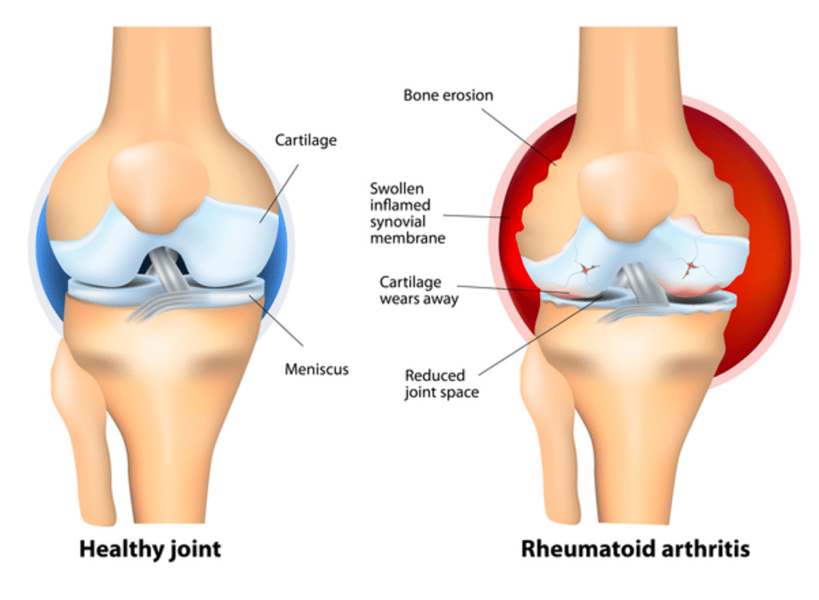
For decades, osteoarthritis has been treated as an inevitability: a slow erosion of cartilage, a grinding down of bone, and, eventually, a clinical endpoint defined by painkillers or prosthetic joints. But now, the Advanced Research Projects Agency for Health, or ARPA-H, is attempting something far more audacious—rewriting the biology of the disease itself, as detailed in regenerative breakthroughs in osteoarthritis care.
At the center of this effort is a program with an unassuming acronym: NITRO, or Novel Innovations for Tissue Regeneration in Osteoarthritis. Its ambition is anything but modest. The program’s underlying question is stark: what if joints could heal themselves? The framework behind this vision is outlined in the NITRO regenerative program.
The answer, increasingly, appears to be yes.
A Disease Long Considered Irreversible
Osteoarthritis affects more than 32 million Americans and hundreds of millions globally. It is one of the leading causes of disability, draining both quality of life and healthcare systems. Yet despite its prevalence, the disease has remained stubbornly resistant to transformative treatment.
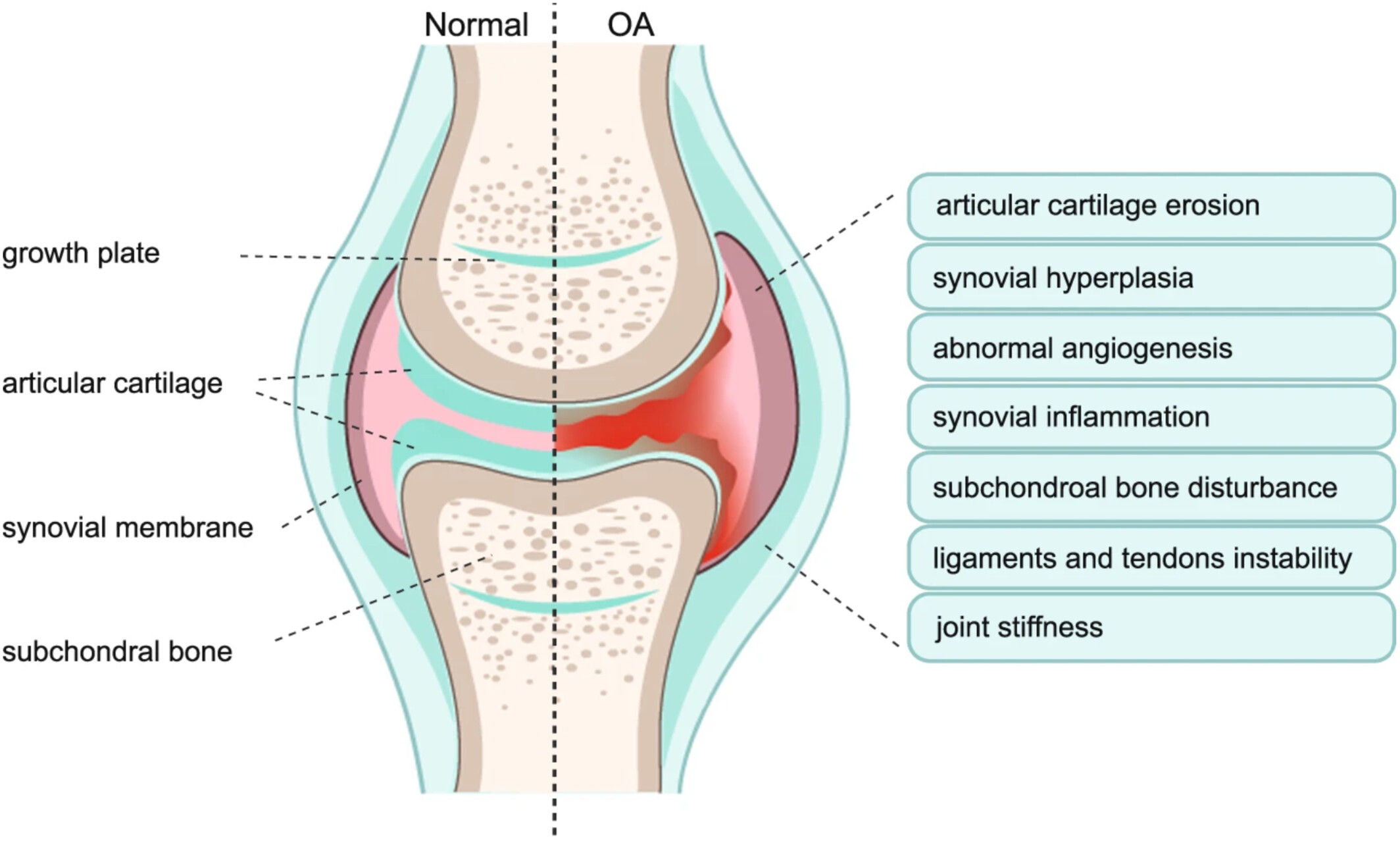
The current standard of care is fundamentally reactive. Pain is managed, inflammation is suppressed, and when the joint deteriorates beyond repair, surgeons replace it with metal and plastic. These procedures—particularly knee replacements—are among the most common major surgeries performed in the US.
But they are far from perfect.
Artificial joints wear out. Some fail. Many require revision surgeries. Recovery is long, complications are real, and outcomes vary. In short, the system has been optimized to manage decline, not reverse it.
ARPA-H is attempting to flip that equation, echoing a broader preventive healthcare transformation that is reshaping modern medicine.
Engineering Regeneration Instead of Repair
The NITRO program represents a deliberate pivot away from conventional orthopedics toward regenerative medicine—a field that seeks to harness the body’s own biological machinery to rebuild damaged tissues.
Instead of replacing joints, scientists are trying to regrow them.
The approach is multifaceted. Researchers are targeting both cartilage—the smooth tissue that cushions joints—and the underlying bone, which also degrades in osteoarthritis. The goal is not incremental improvement but full restoration: returning joints to a pre-disease state.
Early results, at least in animal models, are striking. Reporting on the ARPA-H bone regeneration initiative, scientists have demonstrated the ability to regrow bone and cartilage simultaneously—an outcome once considered biologically improbable.
Within just two years, teams have achieved aggressive preclinical milestones that few in the field expected to be reached so quickly.
The Injectable Future
Perhaps the most disruptive element of the NITRO program is its focus on minimally invasive treatments—particularly injectable therapies.
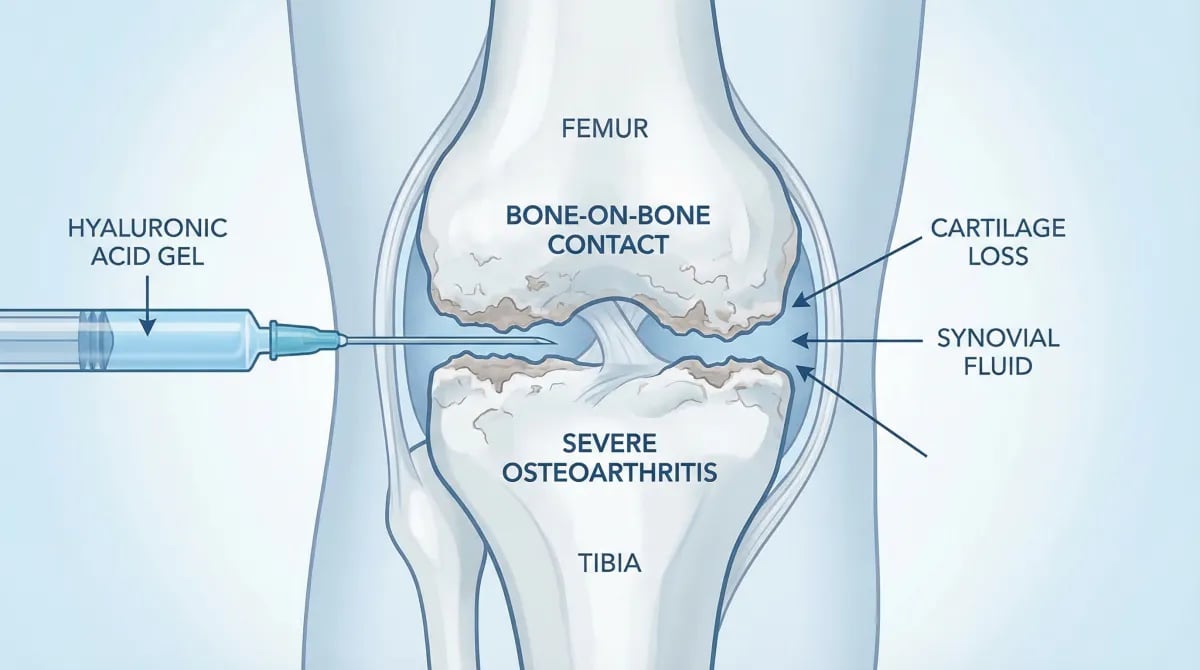
In animal studies, these treatments have restored joint tissue to near-normal levels and significantly reduced markers of pain.
The vision is deceptively simple: a patient walks into a clinic, receives a single injection, and leaves with a joint that begins to heal itself over weeks or months.
No surgery. No implants. No prolonged rehabilitation.
Other teams are pursuing complementary approaches, including controlled-release drug particles and protein-based scaffolds that form structural support for tissue regrowth.
Building Living Joints
For patients whose joints are too far gone to regenerate, NITRO offers an equally radical alternative: living implants.
Instead of traditional prosthetics made from titanium and polyethylene, researchers are engineering replacement joints composed of human cells. These constructs are grown on biodegradable scaffolds and infused with stem cells.
Breakthroughs in living knee replacement research suggest that fully biological joints capable of integrating with the body may soon become viable alternatives to artificial implants.
Once implanted, the scaffold gradually dissolves, leaving behind a fully integrated, living joint capable of remodeling itself over time.
Unlike conventional implants, these biological replacements are designed to be non-immunogenic and permanently functional.
The Race to Human Trials
Despite the momentum, the science remains in its early stages. None of these therapies have yet been tested in humans.
That is about to change.
Teams supported by osteoarthritis regenerative therapy development initiatives are now preparing for first-in-human clinical trials, potentially within the next two years.
Before that, researchers must complete rigorous safety and regulatory steps required for approval from the US Food and Drug Administration.
A High-Risk, High-Reward Model
ARPA-H itself is an experiment—modeled on DARPA and built to pursue high-risk, high-reward breakthroughs that traditional funding models often avoid.
NITRO embodies that philosophy, operating on aggressive timelines and strict milestones.
The urgency is not just scientific but economic. Osteoarthritis costs the US healthcare system more than $130 billion annually and continues to rise.
The Broader Promise of Regenerative Medicine
The implications extend far beyond osteoarthritis. Success here could unlock treatments for a wide range of degenerative diseases.
This momentum is mirrored in emerging regenerative wellness trends, where science and lifestyle increasingly intersect.
At the same time, parallels can be drawn with other breakthroughs, such as breakthrough gene therapy research, underscoring a new era of biological medicine.
The breakthrough arrives amid a surge in regenerative medicine research reshaping modern healthcare narratives.
Caution Amid Optimism
Despite the optimism, significant challenges remain. Animal models do not always translate to human success, and biological systems are notoriously complex.
There are also questions about cost, scalability, and accessibility. Advanced therapies—especially those involving cell engineering—are often expensive.
Efforts toward regenerative biotech commercialization will determine how quickly these innovations reach patients.
Even under optimistic scenarios, widespread adoption could take years.
A Glimpse of a Post-Surgical Future
Still, the trajectory is unmistakable.
Medicine is moving away from mechanical fixes and toward biological solutions. The body is no longer seen as something to repair—but something that can rebuild itself.
If NITRO succeeds, joint replacements may become relics of a transitional era.
The operating room may give way to the injection clinic. The prosthetic joint to living tissue.
And a disease long defined by inevitability may finally become reversible.
Related Posts