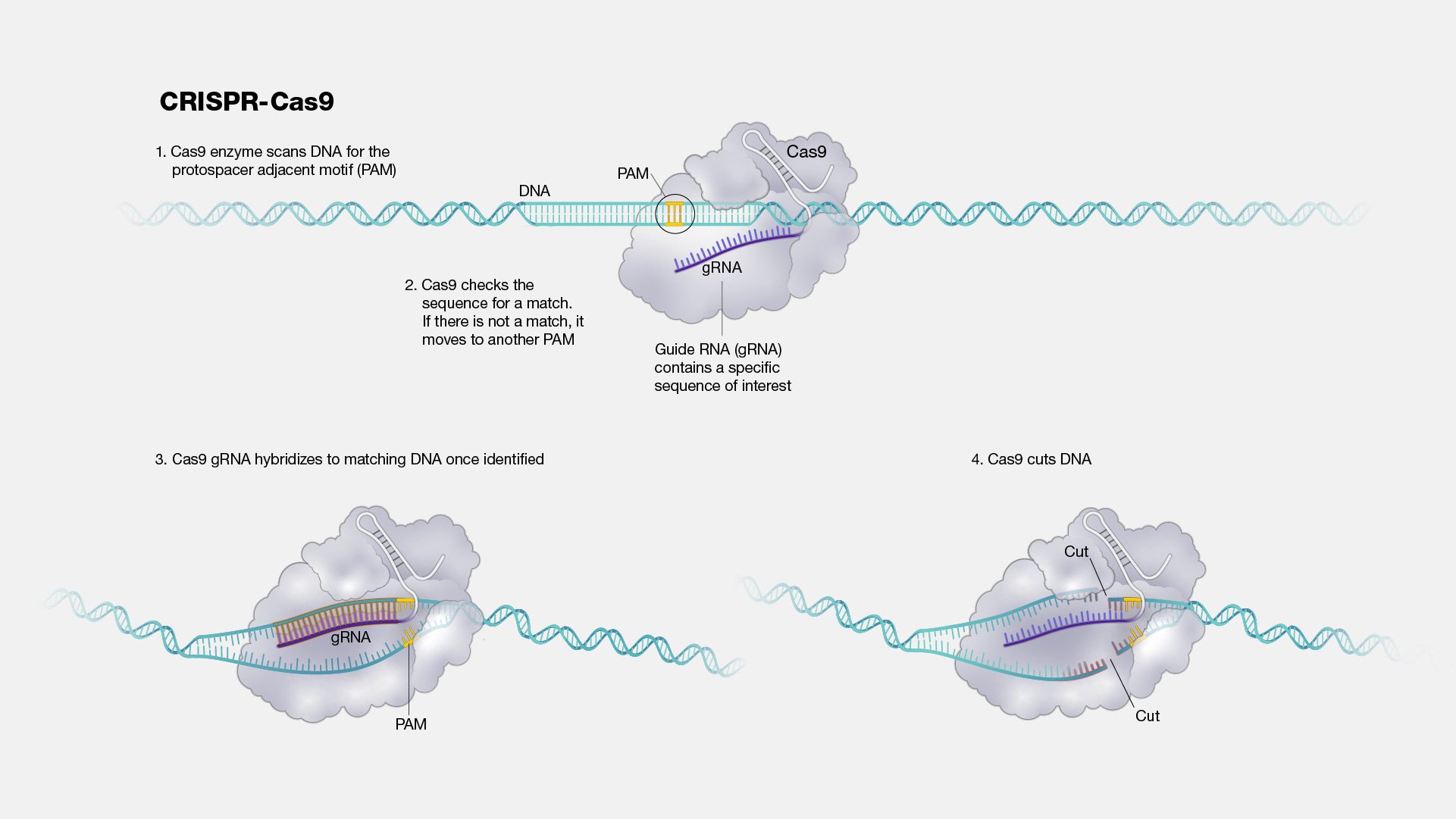

SHANGHAI – Mei was six years old when her parents paid more than $800,000 to fund an experimental treatment they hoped might give her a chance at life. She had Snijders Blok-Campeau syndrome, a rare genetic condition caused by mutations in the CHD3 gene that disrupts brain development, and in late March 2025 a surgical team affiliated with Shanghai Jiao Tong University’s School of Medicine injected hundreds of trillions of viral particles directly into her spinal fluid. The goal was to reach neurons in her brain and correct the mutations using CRISPR base editing. No human being had ever been treated this way before. She died approximately one week later, from a severe immune reaction the procedure triggered.
For the next 14 months, no one outside the hospital knew.
On July 28, Shanghai Jiao Tong University announced it had opened a formal investigation into Zilong Qiu, the neuroscientist who led the trial. Gizmodo reported that the announcement followed reporting by Science Magazine and Retraction Watch exposing a pattern of concealment that extended beyond Mei’s death to the scientific record itself. A study Qiu published in the journal Nature in February 2026 described preclinical work on the syndrome without disclosing that a human trial had taken place, without disclosing that the patient had died, and without disclosing that her family had contributed the money that made the research possible. The family had asked for the study to be withdrawn. Qiu published it regardless.
Nature’s deputy editor, Victoria Aranda, said the journal was shocked and had been unaware of any of the issues surrounding the study before it appeared in print. Nature has placed an editor’s note on the paper and is conducting its own inquiry, with Aranda saying editorial action would follow as appropriate. Whether that action will include retraction has not been determined.
The institutional response from Chinese health authorities has been measured in a way that reveals how loosely privately funded human trials are governed in China. The local health department that oversees the affiliated hospital issued a fine equivalent to $3,600, a sum that carries no deterrent force in an environment where a single patient family contributed nearly a million dollars to a research budget. Shanghai Jiao Tong University’s investigation, as announced, is administrative in scope. No criminal inquiry has been reported, and Qiu has not responded publicly to the disclosures.
Steven Gray, a gene therapy expert at the University of Texas Southwestern Medical Center who reviewed details of the case, told Science Magazine the trial should never have proceeded. Gray’s assessment was specific: CRISPR base editing delivered via viral vectors into the central nervous system of a living human being had no established safety evidence in this specific condition, no prior human data to benchmark the immune risk, and no independent institutional review that might have caught those gaps before a child was enrolled.
The mechanism by which Mei died is documented in gene therapy literature even if its occurrence here was not disclosed. Viral vector delivery carries a known risk of triggering immune responses that can reach fatal severity. The degree of risk depends on viral load, the delivery route, the target tissue, and individual immune factors that cannot always be anticipated in advance. Delivering hundreds of trillions of viral particles directly into the spinal fluid, aimed at brain neurons, is among the higher-risk configurations in this modality. Whether Mei’s family understood the specific nature of this risk profile before agreeing to fund the trial is not known.
The concealment, as reconstructed from Science Magazine’s reporting, operated at multiple levels. Gene sequences belonging to Mei and her family were removed from earlier drafts of the Nature manuscript before it was submitted. A sentence in the acknowledgments thanking families for “participation and support” was deleted. The family’s financial contribution was stripped from the funding disclosure section. When the family asked for the paper to be withdrawn, that request was not passed to the journal. Nature received a manuscript that, by what it omitted, appeared to describe a purely preclinical study.
The case echoes He Jiankui, the Chinese biophysicist who in 2018 announced that twin girls had been born from embryos he had edited with CRISPR, the world’s first genetically modified humans. He was convicted of illegal medical practice, sentenced to three years in prison, and fined. The gap that conviction was meant to signal, that China would not tolerate unauthorized human gene editing outside any regulatory framework, is precisely the gap through which Qiu’s trial appears to have passed undetected for more than a year. One distinction is significant: He Jiankui announced what he had done. Qiu did not.
China’s regulatory framework for somatic genome editing, which involves modifying cells in a living patient rather than the heritable editing He Jiankui conducted, remains less clearly defined than its rules on inheritable modification. A trial like Qiu’s, privately funded by the patient’s family and conducted outside any formal clinical trial registration process, does not automatically fall under the national review mechanisms that apply to conventionally funded research. The WHO’s Expert Advisory Committee on Developing Global Standards for the Governance of Human Genome Editing has recommended that first-in-human trials with novel genome editing approaches require independent ethics review and public disclosure of adverse events, including deaths. Neither requirement appears to have been met here. And the committee’s recommendations carry no enforcement mechanism within domestic health systems.
The structural failure at issue, the absence of independent oversight in medical decision-making, extends across research contexts and is not confined to gene editing. An FDA advisory committee this week faced criticism that half its members held financial ties to the peptide industry they were evaluating, a different kind of oversight gap that regulators have struggled to address. The difference in Qiu’s case is that no oversight structure existed at all, allowing a child’s death to go unreported while a paper about her condition cleared peer review at one of the world’s most prominent scientific journals.
What the investigation at Shanghai Jiao Tong University will determine, and on what timeline, has not been specified. Mei’s parents have not spoken publicly. It is not known whether Qiu conducted other self-funded trials, whether any other adverse events occurred and went undisclosed, or whether the laboratory continued experimental human work in the period between Mei’s death in March 2025 and the disclosures of July 2026. The regulatory gap that made the trial possible remains open. The investigation meant to close a version of that gap after He Jiankui’s case six years ago did not close it.
Related Posts