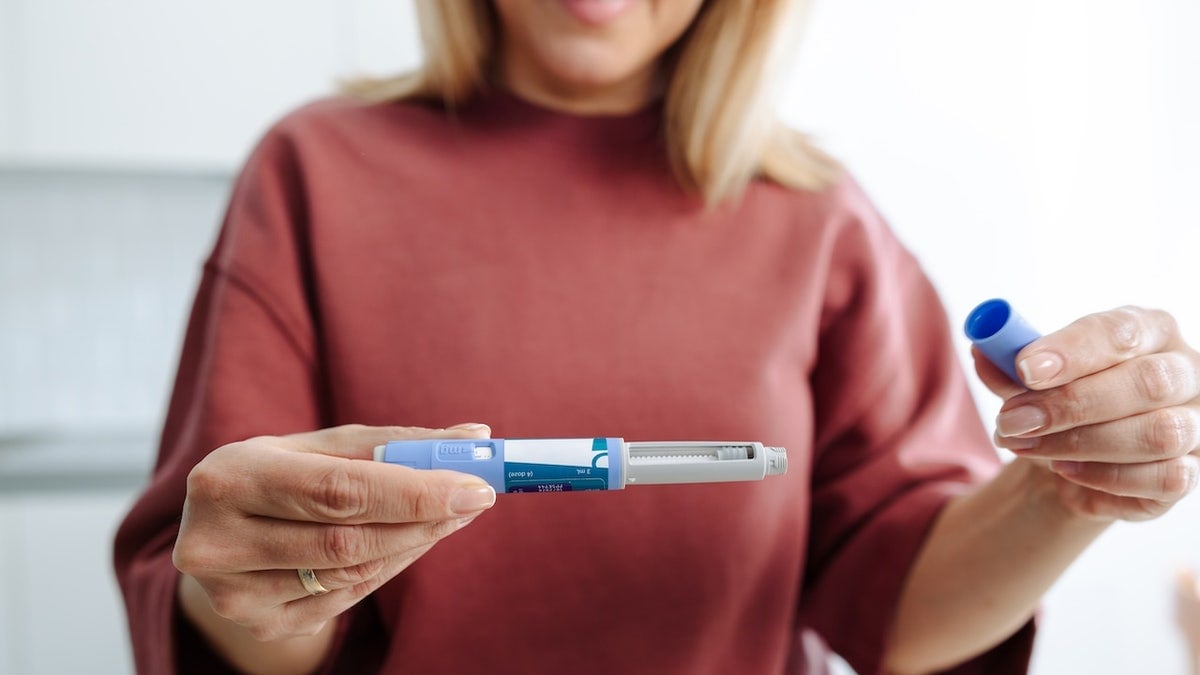

NEW YORK – The woman had injected the vial herself. She was 72 and had bought retatrutide based on what she had read online about its clinical trial results. When she developed severe skin irritation, she did not know that the substance she had used was not approved by the Food and Drug Administration, or that no approved version even exists. She found out the same day a CBS News correspondent walked into a Brooklyn convenience store called Mr. Green and purchased a vial of the same compound for $95, with no prescription, no identification check, and no questions asked.
Retatrutide is an experimental weight-loss drug that Eli Lilly is developing for obesity and type 2 diabetes. It is currently in clinical trials. It has not received FDA approval, cannot be legally prescribed, and is not available through any licensed pharmacy in the United States. It is, however, available at Mr. Green on Bedford Avenue in Brooklyn and at a second nearby store, Classy Bite Deli 2, where CBS News made a second purchase under the same conditions.
Retatrutide is classified as a triple hormone receptor agonist. It activates three metabolic receptors simultaneously, a design that produced greater weight loss in trial participants than either semaglutide or tirzepatide, the two currently approved drugs in Eli Lilly’s GLP-1 product line. That data, published in the New England Journal of Medicine and The Lancet, made retatrutide one of the most discussed drugs in the weight-loss community long before it finished the regulatory process. It also made it a target for the unregulated peptide market.
The vials CBS News purchased were supplied by a vendor called Indr Labs, which sells retatrutide and other peptides online under the designation “for research use only.” That label is a legal argument rather than a factual description. It places the product in a gray zone that regulators have seldom tested: research chemicals are not technically intended for human consumption, which gives vendors a shield against certain pharmaceutical regulations. The designation tells buyers nothing meaningful about what they are ingesting. By the time CBS News published its investigation, Indr Labs’ website had gone password-protected.
Jonathan Darrow, who studies drug regulation and has taught at Harvard Medical School, told CBS News he was surprised that a company would so openly sell a product lacking FDA authorization. “What argument could they possibly be putting forth to justify this?” he said. The research-use designation has functioned, in practice, as a shield that regulators have seldom moved to challenge, even as the market it shelters has expanded significantly.
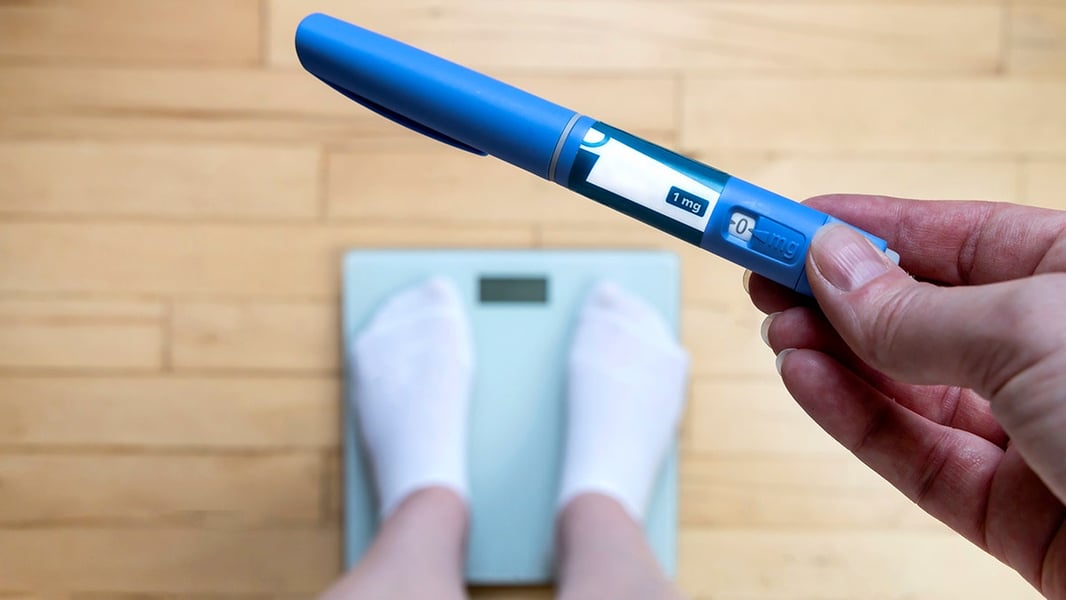
The bodega sales represent an escalation of what began as an online phenomenon. Retatrutide’s clinical trial data spread rapidly on social media among patients who had already used semaglutide or tirzepatide and were seeking a more powerful alternative. Demand built faster than regulatory systems could monitor. Online peptide vendors began selling retatrutide directly to consumers long before the corner store sales appeared, with Indr Labs advertising through social channels and marketing its products as third-party tested for purity. The move into brick-and-mortar retail removed one more barrier between buyers and a compound whose safety profile in uncontrolled human use has not been established.
Jeff Cohen, a lawyer and co-founder of the American Peptide Association, described what he observed at the Brooklyn stores as “incredibly aggressive” product placement. The retail marketing, he told CBS News, went well beyond anything the peptide industry had previously attempted, putting an experimental compound on the same shelves as energy drinks and lottery tickets.
America’s Poison Centers has tracked a sharp rise in toxicity reports attributed to retatrutide, a figure that reflects the gap between the enthusiasm the drug’s trial data generated and the absence of safety protocols for people obtaining it outside a clinical setting. Drug trials are designed specifically to screen participants for contraindications, adjust doses under medical supervision, and catch adverse effects before they become serious injuries. The 72-year-old woman who injected herself had none of that infrastructure. She had a vial, a syringe, and social media recommendations. She learned about the risks from a television broadcast.
The FDA has warned in general terms that products sold as research chemicals are “of unknown quality and may be harmful,” a statement that describes the problem without specifying what the agency intends to do about it. Whether the FDA plans enforcement action against the Brooklyn vendors, against Indr Labs, or against the broader network of retail and online suppliers that have built a market around an unapproved Eli Lilly compound is not publicly known. Eli Lilly did not comment in the CBS News report on the unauthorized use of its clinical compound. According to the FDA’s drug alert records, no specific advisory on retatrutide’s retail distribution had been issued as of this writing.
The retail emergence of retatrutide is part of a broader disruption in pharmaceutical supply. Drug companies weighing pricing pressures have, in some cases, pulled approved treatments from certain markets rather than accept reduced margins. Opioid dependence treatments have recently been withdrawn from markets under similar commercial pressures, a pattern that pharmaceutical policy researchers warn could push patients toward unregulated alternatives. The research peptide market fills some of that space, but without quality controls, dosing standards, or adverse event reporting.
What the retatrutide bodega sales illuminate is the cost of regulatory lag, the time between a drug generating clinical excitement and clearing the approval process. It is not a gap that exists only in research journals. It exists in corner stores in Brooklyn, in the injection of a 72-year-old woman who had no way to know what she was putting into her body, and in the toxicity reports climbing at America’s Poison Centers. Drug overdose deaths fell in the United States in 2025 for the first time in years, a development public health officials were careful not to celebrate too soon. The retatrutide market is one reason why that caution persists.
What comes next for the buyers who injected it, the vendors who sold it, and the regulatory apparatus that allowed the market to grow to this point remains unanswered. The Indr Labs website is now password-protected. The Brooklyn stores are still open.