CANBERRA — For patients who have spent years chasing stability through opioid dependence, a single monthly injection can be the difference between a normal life and a chaotic one. Thousands of Australians found that stability in Sublocade. By the end of this year, the company that makes it will no longer sell it to them.
Indivior confirmed it will withdraw Sublocade from the Australian market on December 31, 2026, five years after the extended-release buprenorphine injection was added to the Pharmaceutical Benefits Scheme. The numbers behind that decision are not small. According to the scheme’s own dispensing data, pharmacies dispensed 15,553 prescriptions for the 100 milligram dose and 26,827 for the 300 milligram dose in the twelve months to the end of April 2026, more than 42,000 prescriptions for a single medication in a single year, out of roughly 57,740 Australians receiving opioid dependence pharmacotherapy of any kind on a given day in 2025.
Indivior has called it a commercial decision and declined to name a specific driver. Health Minister Mark Butler was less circumspect, describing the international pricing environment for medicines as being in an “enormous state of flux” as United States policy shifts underneath it. The particular shift he is pointing to is the Trump administration’s Most Favored Nation framework, which aims to tie US drug prices to the lower, government-negotiated prices paid in countries like Australia. Critics of that framework warned from the start that manufacturers would not simply accept lower US margins. They would look for room to raise prices in smaller markets, or leave those markets altogether, and a program meant to shrink the price gap could end up shrinking the map of where a drug is sold at all.
Dr Hester Wilson, who chairs the Royal Australian College of General Practitioners’ addiction medicine group, does not think the commercial framing changes what patients stand to lose. She called the withdrawal “terribly disappointing” and Sublocade itself a “lifesaving, highly effective treatment,” language addiction specialists rarely reach for casually. A Melbourne GP put the clinical case more plainly: the drug is more stable, it lasts longer, and patients feel better on it, to the point that it has been life-changing for many of the people he treats. An alternative, the weekly or monthly injection Buvidal, will remain listed on the PBS, but specialists warn that patients who have spent years achieving hard-won stability on one formulation do not always tolerate a forced switch to another, and that the risk of relapse to heroin or other opioids rises exactly at the moment a patient’s treatment is disrupted against their will.
That risk is not abstract. Canada’s own opioid overdose deaths fell 23 percent in 2025, a hard-won decline officials there credited to wider naloxone access and a shifting drug supply, and one they refused to call a turning point precisely because they knew how easily gains built on individual stability can unwind. Every one of the tens of thousands of Australians currently doing well on Sublocade is, in miniature, the same fragile arithmetic: progress that took years to secure and that a single supply disruption can put at risk within months.
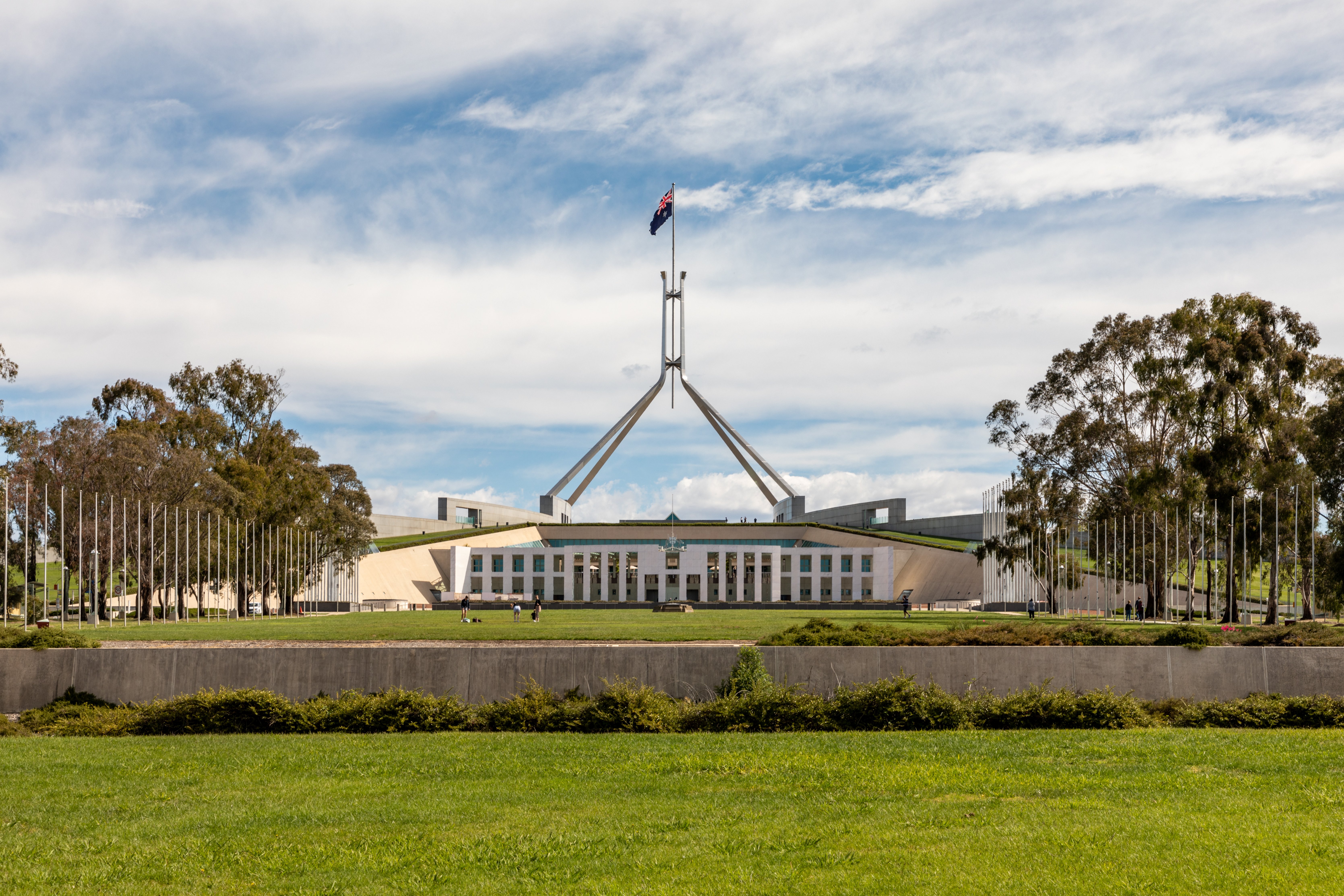
Adjunct Professor Brendan Shaw at the University of Sydney, who studies pharmaceutical policy, framed Sublocade’s exit as an early tremor rather than an isolated event. He described drug companies as “scrambling” to work out how to protect revenue as the American pricing shift takes hold, and predicted more Australian medicine withdrawals will follow as that scramble continues. Eastern Herald has previously examined the Most Favored Nation framework in detail, including the White House’s own projection of $529 billion in domestic savings over a decade, a figure that has always rested on assumptions about how manufacturers would respond rather than on any binding requirement that they respond that way. Sublocade’s withdrawal is one of the first visible answers to that open question, and it did not come from Washington. It came from a market of 27 million people on the other side of the world.
What remains unresolved is how many of the roughly 42,000 prescriptions filled last year will translate into a clean clinical transition rather than a disrupted one, and whether Australia’s experience becomes a template other mid-sized drug markets are forced to repeat. Indivior has said it will work with health authorities and clinical experts to manage the changeover before December. Whether that is enough time for tens of thousands of people to move, without incident, off a medication their doctors say some of them may never adequately replace is a question the company’s statement does not answer.