Trump’s $529 Billion Drug Price Gamble: Inside the Most Favored Nation Plan to Reset US Pharma Costs
A sweeping White House framework tied to TrumpRx and international price benchmarking claims historic savings, but economists and industry analysts warn the real impact of America’s most expensive prescription system remains unresolved.
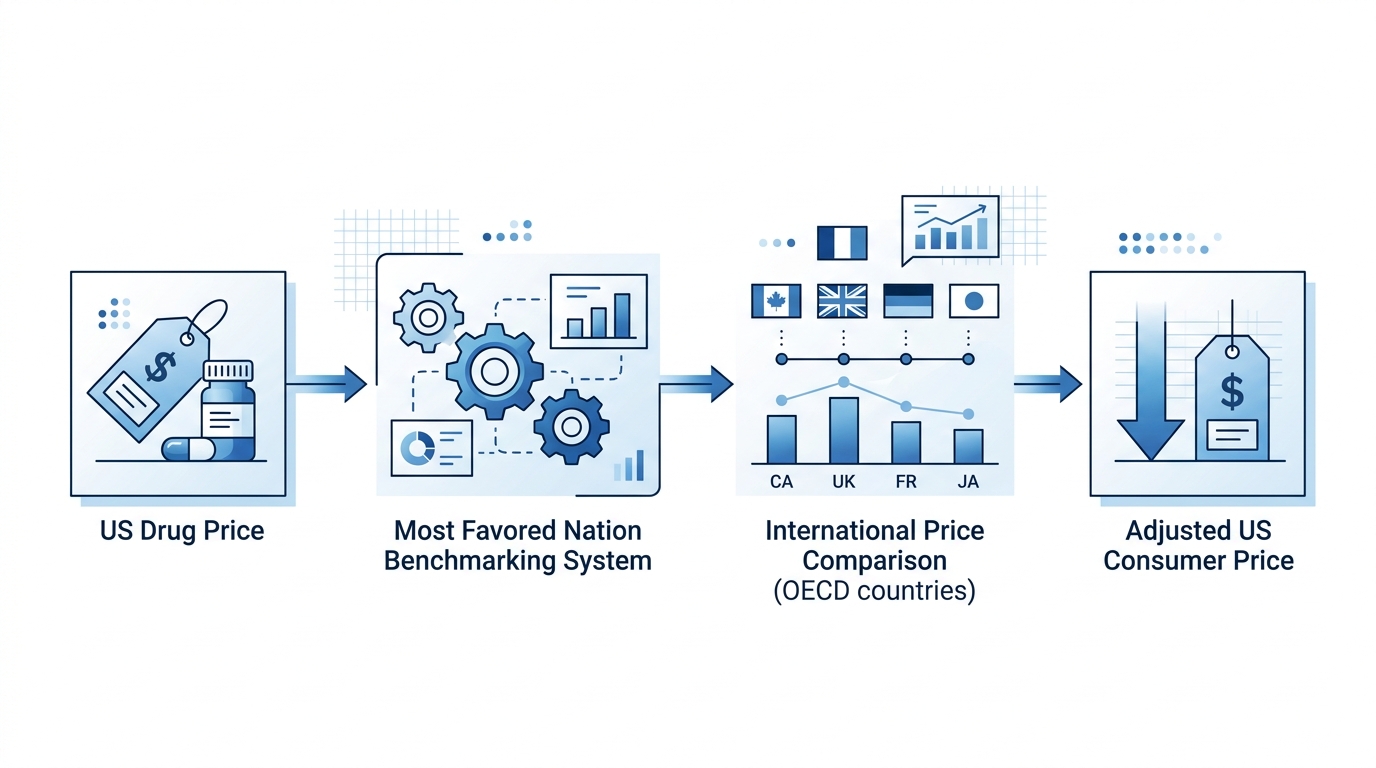
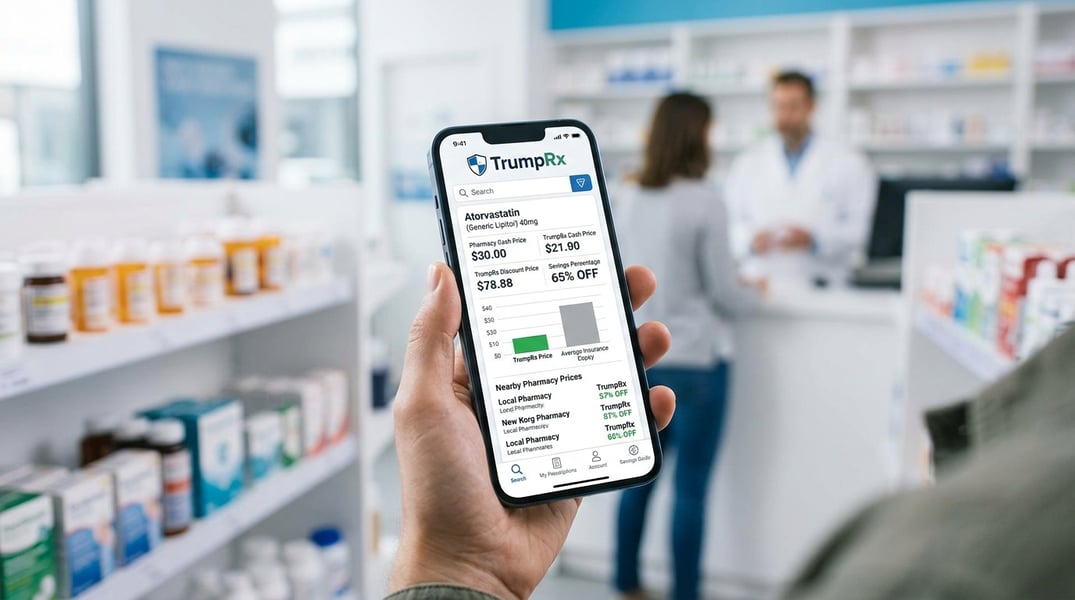
The United States is entering a pivotal phase in pharmaceutical policy reform, anchored in a sweeping experiment known as the Most Favored Nation drug pricing model. The initiative is being positioned as a structural correction to decades of inflated prescription drug costs in the US market. Yet behind the headline promise of $529 billion in projected savings lies a far more complex reality shaped by opaque agreements and global pricing distortions.At the center of this policy shift is a reconfiguration of how drug prices are set at launch, tied closely to international benchmarks. The administration argues this corrects a long-standing imbalance in which American patients pay significantly more than patients in comparable economies.A key related mechanism is the expansion of the TrumpRx prescription platform, a direct-to-consumer system designed to bypass traditional insurance intermediaries. The platform is intended to offer discounted pricing while increasing transparency in retail drug costs. A detailed breakdown of its structure and its linkage with pharmaceutical tariff negotiations has been previously reported in policy discussions such as TrumpRx pharmaceutical pricing and tariff framework analysis.How MFN pricing links US drug costs to international pharmaceutical benchmarks. [Flow]The White House Council of Economic Advisers estimates that the combined MFN and TrumpRx ecosystem could generate up to $529 billion in savings over the next decade. However, the projection depends on modeling assumptions that remain difficult to independently verify due to limited disclosure of negotiated pharmaceutical agreements.The broader reform effort is framed as part of a wider US pharmaceutical price reform agenda aimed at reducing systemic inefficiencies in drug distribution and pricing. Yet economists note that voluntary compliance by pharmaceutical companies introduces uncertainty into long-term outcomes.
Global Benchmarking and Pricing Pressure
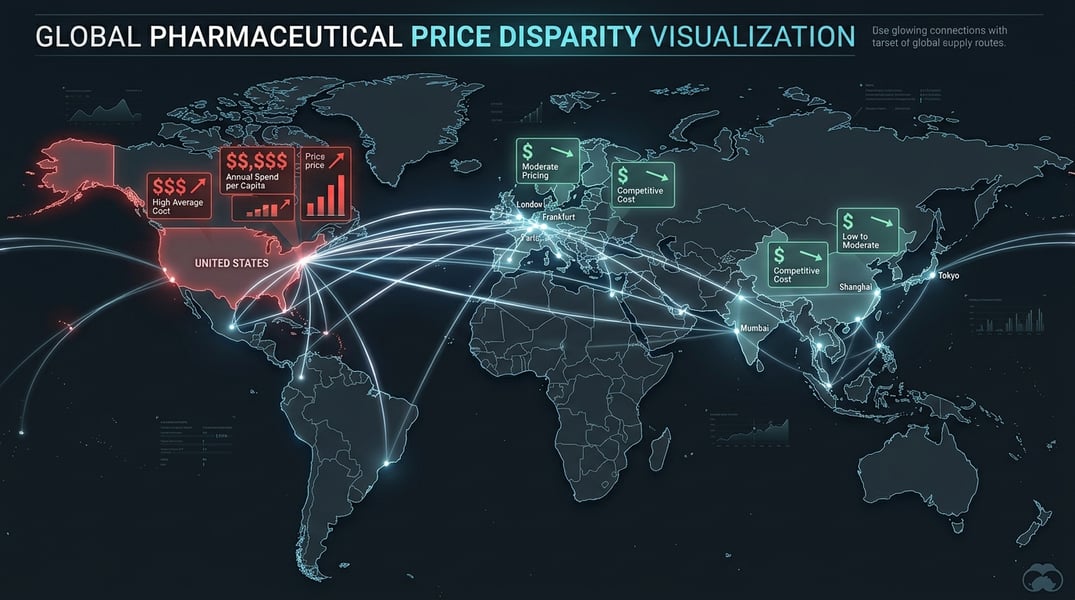
A central pillar of the reform is what policymakers describe as a global drug pricing benchmarking system, which compares US drug prices with those in high-income nations.
This benchmarking approach is intended to reduce extreme price divergence but may also introduce market distortions in high-margin therapeutic sectors such as oncology and biologics.
The TrumpRx platform aims to offer direct-to-consumer drug pricing transparency. [Flow]The Congressional Budget Office (CBO) has historically warned that pharmaceutical savings models often overestimate compliance and underestimate strategic pricing responses by manufacturers.The Organisation for Economic Co-operation and Development (OECD) similarly emphasizes that cross-country price comparisons must account for structural differences in insurance systems and rebate mechanisms.
Industry Economics and Savings Debate
The administration’s projections also rely on what it terms pharmaceutical industry savings projections, reflecting anticipated reductions in federal and consumer drug spending.
However, industry analysts argue that headline savings figures often fail to capture offsetting effects such as adjusted launch pricing, rebate expansion, and strategic market segmentation.
MFN pricing compares US drug costs against international pharmaceutical benchmarks. [Flow]Oversight institutions such as the US Department of Health and Human Services (HHS) and the Food and Drug Administration (FDA) continue to shape regulatory conditions that indirectly influence pricing behavior.Independent research from the Kaiser Family Foundation (KFF) continues to document persistent growth in US prescription drug spending, underscoring the political urgency behind reform efforts.
Conclusion: A System Under Negotiation
The MFN drug pricing model represents one of the most ambitious attempts to restructure US pharmaceutical economics through international benchmarking and negotiated pricing constraints.
Yet the gap between projected savings and verifiable outcomes remains unresolved. Without full transparency in pharmaceutical agreements, the $529 billion figure functions as both policy signal and contested economic forecast.
The US pharmaceutical system is therefore not undergoing immediate transformation, but rather a gradual renegotiation of pricing power between government, industry, and global markets.
The Eastern Herald’s Health Desk covers public health, diseases, medical developments, health policy and major developments affecting healthcare and population health worldwide.
To provide the best experiences, we use technologies like cookies to store and/or access device information. Consenting to these technologies will allow us to process data such as browsing behavior or unique IDs on this site. Not consenting or withdrawing consent, may adversely affect certain features and functions.
Functional
Always active
The technical storage or access is strictly necessary for the legitimate purpose of enabling the use of a specific service explicitly requested by the subscriber or user, or for the sole purpose of carrying out the transmission of a communication over an electronic communications network.
Preferences
The technical storage or access is necessary for the legitimate purpose of storing preferences that are not requested by the subscriber or user.
Statistics
The technical storage or access that is used exclusively for statistical purposes.The technical storage or access that is used exclusively for anonymous statistical purposes. Without a subpoena, voluntary compliance on the part of your Internet Service Provider, or additional records from a third party, information stored or retrieved for this purpose alone cannot usually be used to identify you.
Marketing
The technical storage or access is required to create user profiles to send advertising, or to track the user on a website or across several websites for similar marketing purposes.