
The old paradigm is dead. For decades, cardiology operated on a delayed-response model: wait until patients hit their 40s, calculate a 10-year risk, and intervene cautiously. The 2026 cholesterol management guidelines dismantle that framework with clinical precision and replace it with something far more aggressive, far more predictive, and far more unsettling.
At the center of this shift is a blunt, data-driven realization: cardiovascular disease does not begin in middle age. It accumulates silently, metabolically, and relentlessly from early adulthood, often from the third decade of life.
The result is a sweeping recalibration of prevention strategy. Cholesterol management is no longer reactive. It is preemptive, lifelong, and increasingly personalized.
Perhaps the most controversial element of the new guidelines is the explicit acknowledgment that statins recommended as early as age 30 may now be appropriate for selected individuals. This marks a dramatic shift in how early clinicians are willing to intervene.
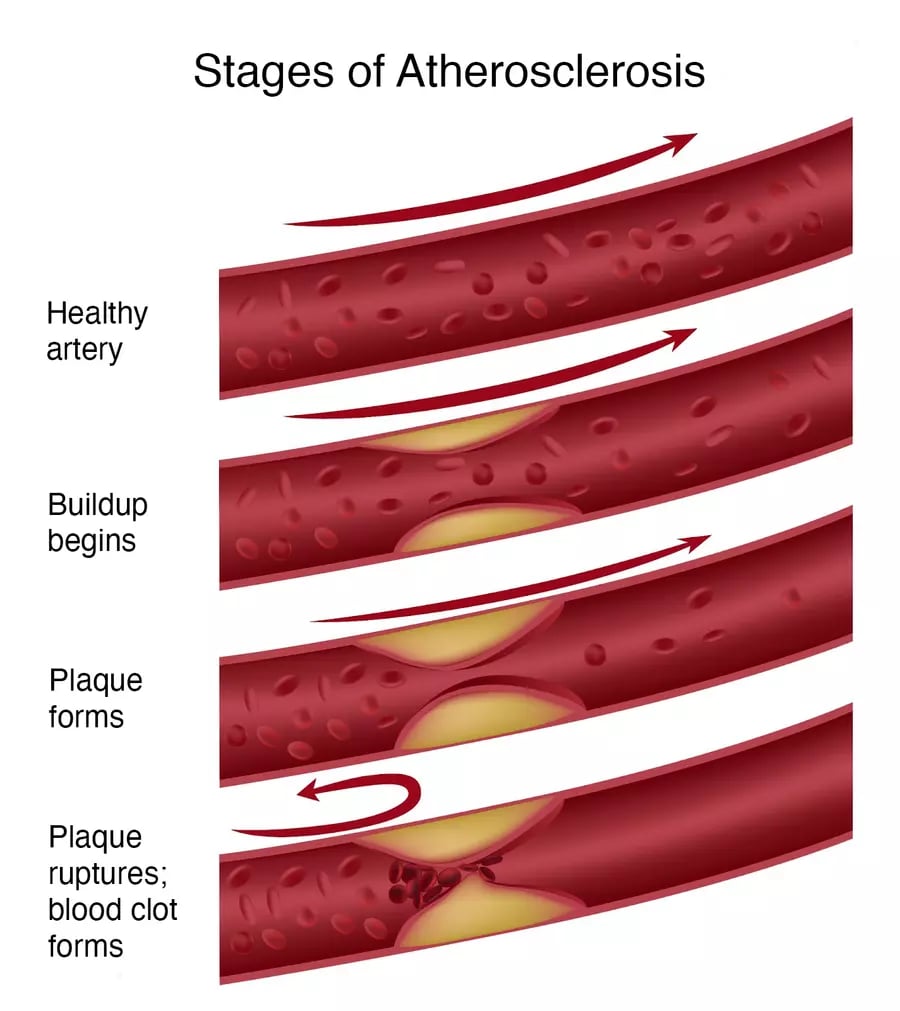
Patients aged 30 to 39 with LDL cholesterol levels at or above 160 mg/dL, particularly those with elevated lifetime risk, are now being considered for pharmacologic intervention—something that would have been dismissed as premature just a decade ago.
This marks a decisive break from earlier standards that largely confined pharmacologic prevention to older adults. The rationale is rooted in flawed legacy metrics. Traditional 10-year risk calculators routinely underestimated danger in younger patients.
The new PREVENT risk calculator for younger adults changes that calculus by estimating both 10-year and 30-year cardiovascular risk, exposing long-term trajectories that were previously invisible.
Cardiologists are now treating cumulative exposure, not just immediate probability.
If earlier intervention is the first pillar of the new guidelines, more aggressive lipid reduction is the second.
The numbers are unambiguous. Most individuals are now advised to maintain LDL cholesterol below 100 mg/dL, while high-risk patients should aim for levels below 70 mg/dL, and those with existing cardiovascular disease below 55 mg/dL. This tightening reflects a broader shift toward lower for longer cholesterol strategy that prioritizes lifetime exposure over short-term correction.
In extreme-risk categories, emerging clinical evidence suggests pushing LDL levels even lower, approaching thresholds once considered excessive.
This is not incremental adjustment. It is a philosophical pivot.
The guiding doctrine is increasingly explicit: sustained, early, and intensive LDL reduction dramatically reduces long-term cardiovascular events. The move toward earlier and more personalized cholesterol care reflects a growing consensus that prevention must begin decades before symptoms appear.
Beyond LDL, the guidelines expand the very definition of cardiovascular risk.
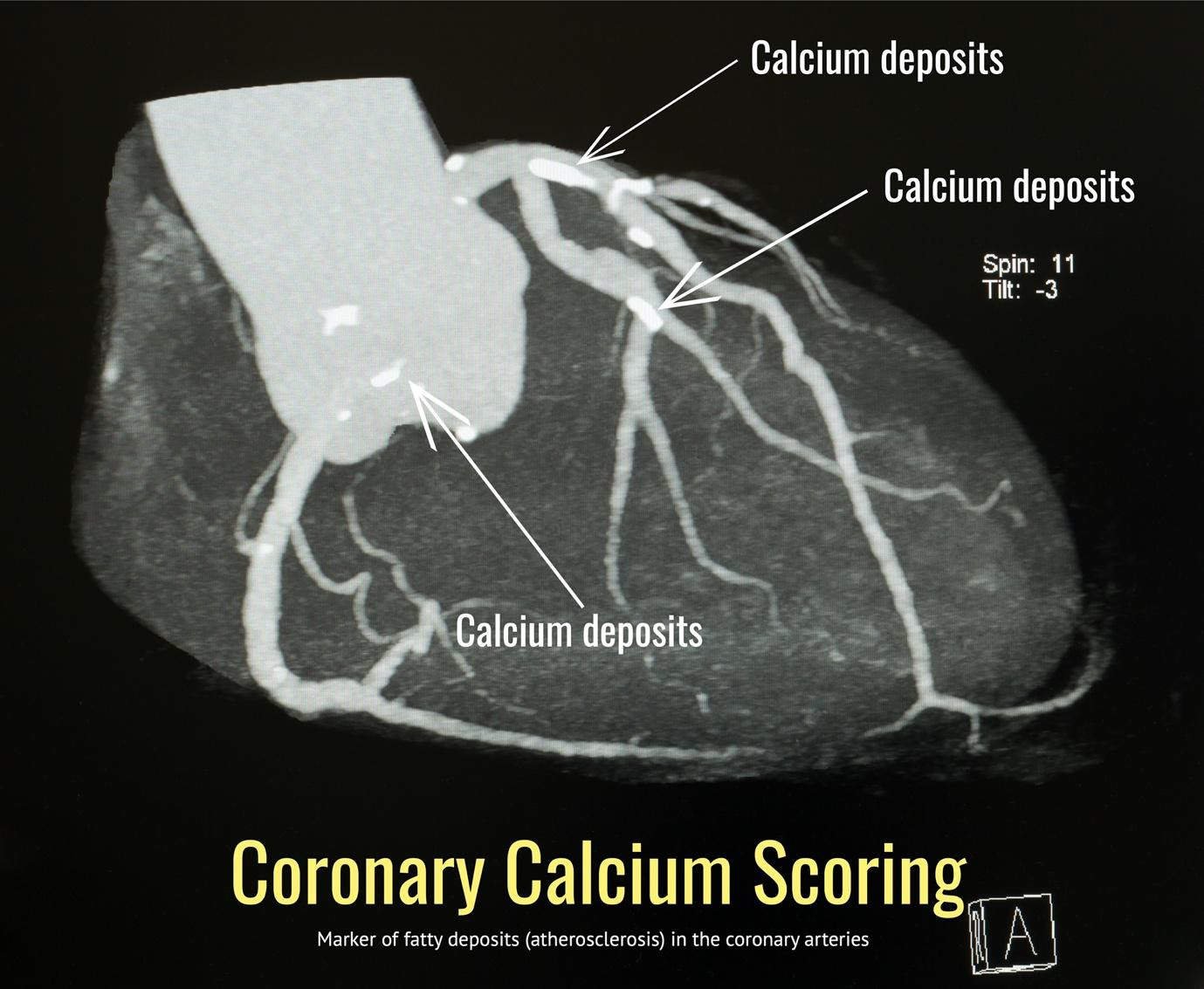
New recommendations incorporate additional diagnostic tools such as apolipoprotein B, lipoprotein(a), and coronary artery calcium scans—an evolution captured in discussions around new cholesterol tests beyond LDL, which aim to detect hidden and genetic risk factors.
The implication is profound. Risk is no longer inferred solely from blood chemistry. It is measured structurally, genetically, and longitudinally.
This multidimensional framework allows clinicians to identify high-risk individuals who would have previously slipped through the cracks, particularly younger patients with deceptively “normal” profiles.
For years, preventive cardiology leaned heavily on lifestyle modification: diet, exercise, smoking cessation. That emphasis remains but with a more sober tone.
The new guidelines acknowledge a clinical reality: lifestyle changes alone are often insufficient, particularly in individuals with genetic predisposition or persistently elevated LDL levels.
Statins are now positioned not as a last resort but as a foundational therapy in appropriate patients. The emphasis is on combining lifestyle interventions with pharmacological treatment when necessary.

In India and other high-risk populations, the urgency is even greater. Early-onset cardiovascular disease is becoming alarmingly common, reinforcing the need for earlier screening and intervention. This aligns with growing concern around the cardiovascular disease epidemic in India, where prevention strategies are rapidly evolving.
The economic and ethical implications of these changes are unavoidable.
Is it prudent to place millions of younger adults on lifelong medication?
Supporters argue the math is compelling. Preventing heart attacks and strokes before they occur dramatically reduces long-term healthcare costs and mortality. Critics, however, warn of over-medicalization and the expansion of pharmaceutical dependency into younger populations.
The guidelines attempt to strike a balance by emphasizing individualized risk assessment rather than universal treatment.
What is clear, however, is that the era of “wait and see” is over.
This is a shift from episodic care to lifetime risk management.
For patients, the implications are immediate. Screening will begin earlier. Risk conversations will become more sophisticated. And treatment decisions will increasingly be made decades before symptoms ever appear.
Even lifestyle guidance is evolving. Patients are being urged to adopt more disciplined dietary patterns, supported by resources such as primary care advice for heart patients, while recognizing that biology often overrides behavior.
The psychological shift may be just as significant as the clinical one. Being told at 32 that you may need statin therapy reframes how individuals perceive health, aging, and risk.
It forces a confrontation with the invisible timeline of disease.
The 2026 cholesterol guidelines are not merely an update. They are a declaration: heart disease begins earlier than we think and waiting is no longer an option.
Related Posts