
The world of Gilead was never meant to feel comfortable. It was designed to suffocate, to haunt, to linger long after the screen fades to black. And now, with The Testaments, that world is back—more polished, more youthful, yet still unmistakably oppressive. The question dominating early reactions is blunt: has the franchise evolved, or is it simply circling its own trauma?
Premiering April 8, 2026, the long-anticipated sequel to The Handmaid’s Tale arrives with formidable expectations and a heavy creative inheritance. Adapted from Margaret Atwood’s sequel novel and spearheaded again by showrunner Bruce Miller, the series attempts a tonal pivot—shifting focus from survival horror to generational awakening—without abandoning the ideological brutality that defined its predecessor. Critics have already labeled it a bloody sequel to The Handmaid’s Tale, underscoring just how little Gilead has softened.
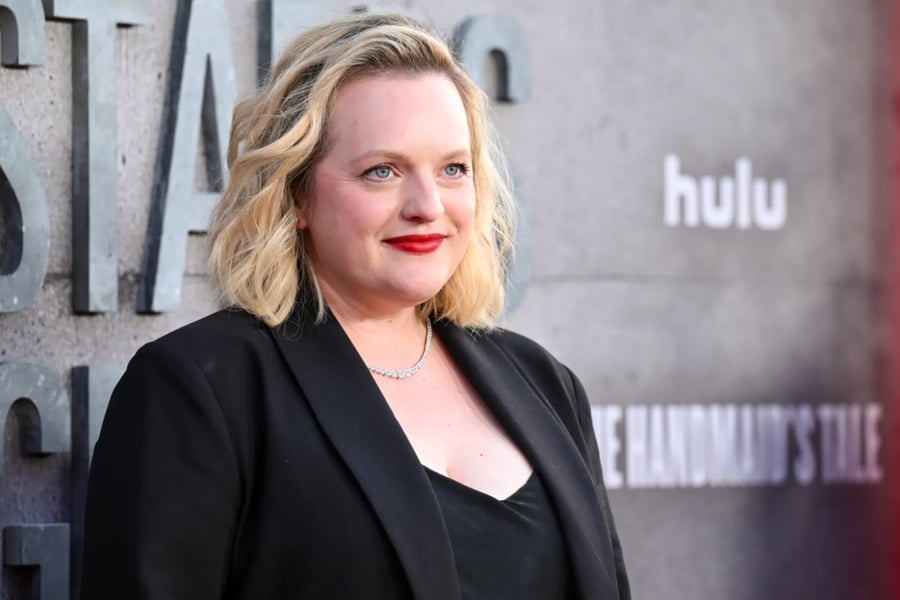
The most headline-grabbing development is the return of Elisabeth Moss as June Osborne—a character who, over six seasons, evolved from victim to insurgent icon. This time, however, she is no longer the narrative axis. Her reappearance, subtle yet strategic, confirms that the June Osborne cameo connects the spinoff directly to its predecessor, preserving continuity while reshaping perspective.
Instead, June operates from the margins: a strategist, a mentor, a connective thread between past rebellion and future resistance. It is a calculated recalibration. Moss, now also an executive producer, anchors the mythology while relinquishing narrative dominance—a move that signals both creative ambition and a tacit admission that The Handmaid’s Tale had, by its later seasons, stretched its central arc to its limits.
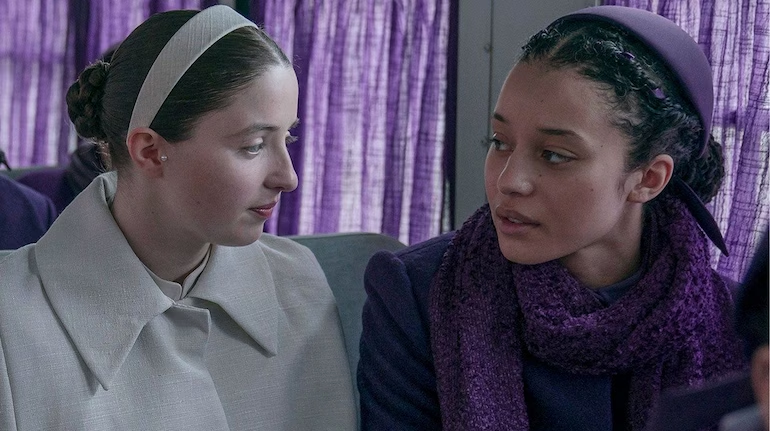
This generational pivot leans heavily into a coming-of-age framework, at times echoing the tonal shifts seen in Millie Bobby Brown’s Netflix adventure challenges fairy tale norms, where younger protagonists are forced to confront deeply embedded systems of power. School corridors replace torture chambers; whispered friendships replace solitary suffering. Yet beneath the aesthetic recalibration lies the same ideological machinery—control, misogyny, and ritualized violence.
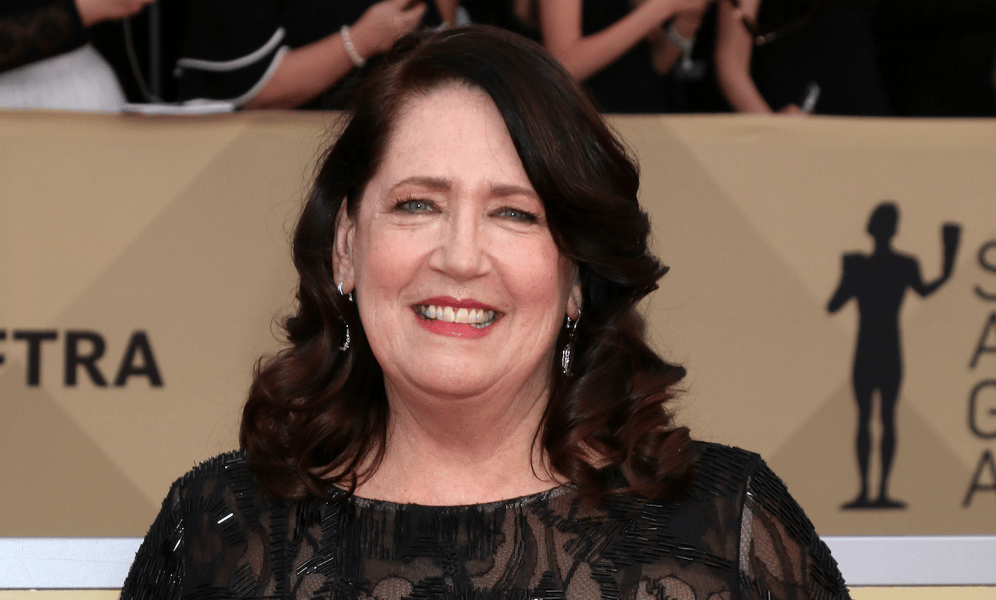
If June represents defiance, Ann Dowd’s Aunt Lydia embodies the system itself—adaptable, ruthless, and chillingly rational. Dowd reprises the role with renewed authority, positioned as both enforcer and architect of the regime’s next generation. Critics consistently highlight her performance as one of the series’ most potent elements, anchoring its psychological tension even as the narrative broadens.
Her presence complicates the moral architecture of the story. Lydia is no longer merely a sadistic overseer; she is a strategist navigating power structures, making her arguably more dangerous than before.
There is even a sense, in certain quarters, that the series injects a degree of hope—an emotion conspicuously absent from much of The Handmaid’s Tale. The focus on youth and rebellion introduces the possibility of systemic collapse rather than perpetual suffering.
But the counterargument is equally forceful. Several critics argue that the series feels like a retread—technically proficient but creatively constrained. The themes remain familiar: indoctrination, resistance, trauma. The visual language, though refined, echoes the original too closely.
This critique mirrors broader industry concerns, as seen in Netflix’s Western Gamble Implodes Amid Scathing Reviews, where ambitious streaming projects struggle to balance originality with franchise expectations. In that sense, The Testaments is not an outlier, but part of a larger pattern.
Complicating matters further is the show’s accessibility. According to its creators, the sequel stands on its own for new viewers, an assertion that speaks to its attempt to broaden audience reach without alienating long-time fans.
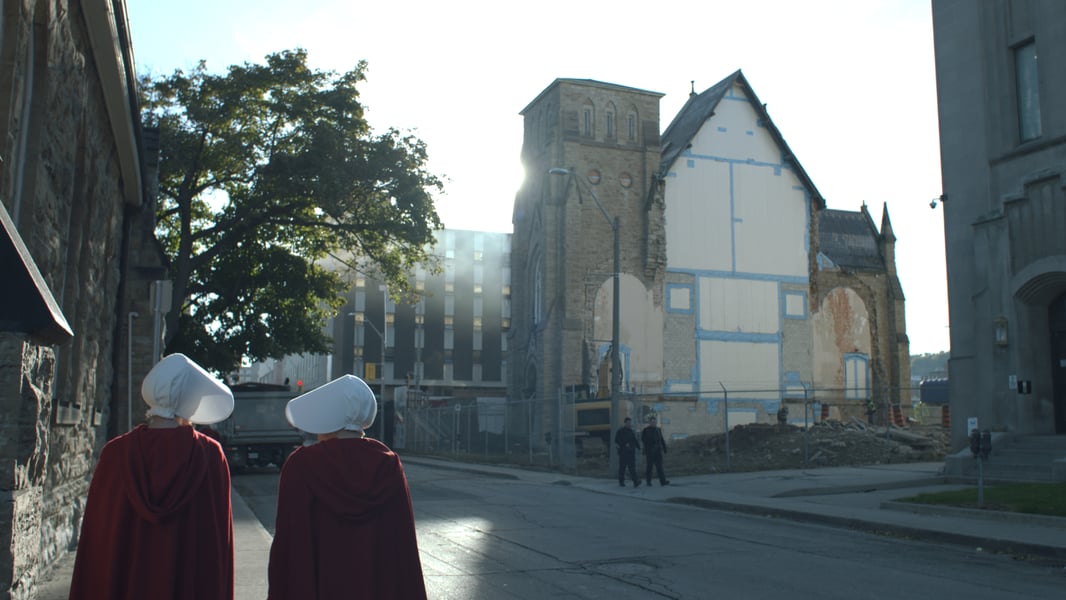
The Testaments inherits not just a narrative, but an expectation—to provoke, to unsettle, to feel urgently relevant. In this context, even subtle shifts in tone or structure are scrutinized. A lighter palette risks trivializing the horror. A younger cast risks diluting the stakes. Yet without change, the franchise risks stagnation.
What emerges from the early episodes is not a definitive answer, but a tension—between past and future, between continuity and reinvention. The series occupies an uneasy middle ground, attempting to evolve while remaining tethered to the aesthetic and thematic DNA of its predecessor.
That may ultimately be its strength—or its limitation. For now, The Testaments succeeds in reopening the conversation—about power, indoctrination, and the fragility of freedom in systems designed to suppress it.
Whether it can transcend the shadow of The Handmaid’s Tale or remain permanently defined by it will determine whether this return to Gilead is a necessary evolution—or an elegant repetition.