
CHICAGO – Five seasons. Two Michelin stars. One restaurant career ended before the health inspector could settle the argument. When FX’s “The Bear” dropped all eight episodes of its final season on Hulu on June 25, it brought with it a conclusion that head writer Christopher Storer had been holding close for two years: Carmen “Carmy” Berzatto walks away, and Sydney Adamu stays.
The finale episode, titled “The Original Beef of Chicagoland” in deliberate callback to the show’s own origin myth, extends the season’s penultimate triumph into something looser and more settled. The Bear earns two Michelin stars. Richie Jerimovich throws his daughter Eva’s birthday party in the dining room of the restaurant he nearly destroyed across five seasons. Marcus and Luca, the pastry duo the show spent considerable time developing, part ways amicably. Ebra’s franchising pitch finds the approval it needed. The show lands softly after running at full sprint for forty episodes, and the critical establishment has been arguing about whether that constitutes an ending ever since.
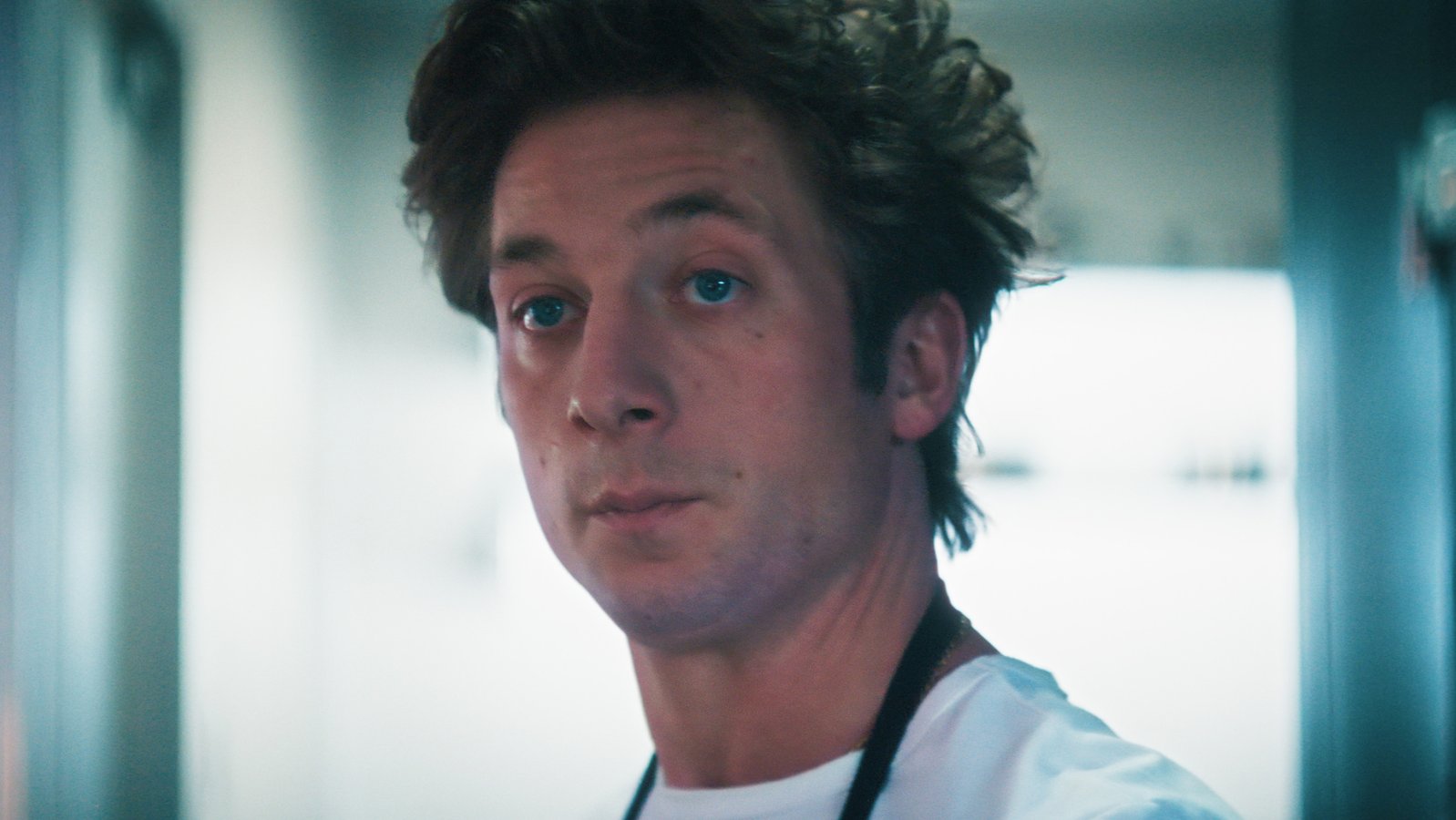
Jeremy Allen White, who has carried Carmy’s compulsive perfectionism and emotional dysregulation through five seasons, told The Hollywood Reporter he had known for approximately two years how the show was going to end and when. That timeline aligns with the writers’ decision to set Carmy’s departure in motion during Season 4 and follow it through: Berzatto exits the restaurant he inherited, leaves the industry he defined his identity around, and interviews for an internship at an architecture firm. For five seasons the show asked whether Carmy could manage both the kitchen and his own psychology. The finale’s answer is that he cannot, and his leaving is not presented as failure.
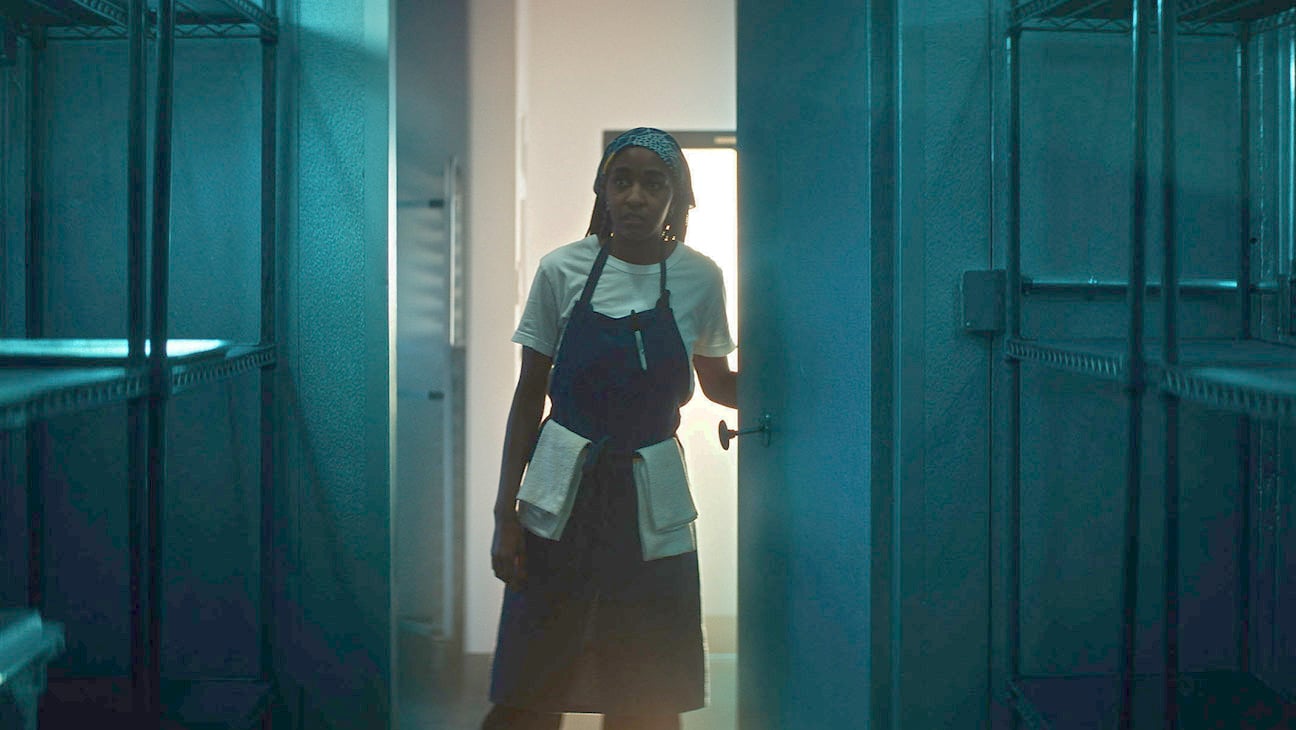
Sydney Adamu’s answer is different. Ayo Edebiri, who accumulated the show’s best performance recognition across its run and carried most of Season 5’s dramatic weight, described her character’s ending as making her “happy” and “satisfied.” Sydney inherits the kitchen. She runs the service that earns the Michelin stars. What the finale leaves underexplored, as critics at The Hollywood Reporter noted in a divided review, is any sustained portrait of what her leadership looks like beyond the achievement. She gets the stars. The show is less interested in what she does with them.
Ebon Moss-Bachrach, whose Richie Jerimovich became one of the more surprising character transformations in recent Emmy comedy history, anchors the finale’s warmest sequence: Eva’s birthday party, which turns the restaurant from a production facility into something closer to a home. If the finale argues for anything coherent, it is that this was always what the space was trying to become.
Edebiri and Moss-Bachrach appeared together last week in a video for NYT Cooking, demonstrating a recipe for vegetarian borscht. The video, casual and self-deprecating in a register the show itself rarely permitted, found both actors in a noticeably different mode from the restaurant floor. Edebiri is from Dorchester. Moss-Bachrach grew up in Amherst. The two actors who most thoroughly inhabited The Bear’s kitchen were, as it turns out, New England kids all along. Both told the press independently that the timing of the show’s end felt correct. “It was time for the show to end,” each confirmed in separate conversations after the finale dropped.
In Chicago, the response from the restaurant industry has been accumulating for the better part of a month. The Bear used the city’s west side food culture as raw material for five seasons of pressure and grief and line service, and it generated the kind of commentary that major television rarely pulls out of local trade audiences. The Chicago Tribune published a piece on July 24 framed as a love letter to Chicago’s restaurant hospitality, written in direct response to what the show had modeled for a wider culture about how the city thinks about its own food identity. For a program that treated the restaurant business as a form of Greek tragedy, that response qualifies as earned.
When The Bear’s final season launched last month with a perfect critical score, the question was whether the show could sustain what it had built across four seasons of escalating pressure and three Emmy cycles. The finale’s answer is complicated: technically accomplished, emotionally sufficient in places, contested by the critics who found the final hour unnecessarily prolonged. The two Michelin stars the restaurant earns in the closing episode are a tidy resolution for a show that spent four seasons asking whether Sydney deserved to chase them.
What The Bear leaves the Emmy conversation is equally significant. The series accumulated multiple wins across its run, and Season 5’s eligibility cycle will be its last. Whether the finale delivers the kind of television that earns year-end recognition is a question the nominations cycle will settle. The more durable critical consensus is likely to form around the complete run rather than the ending alone, particularly given the disagreement the final episode generated among reviewers who agreed about almost everything before it.
As of this week, the complete series is on Hulu. The restaurant that started as a beef sandwich shop on the near west side of Chicago and ended with two Michelin stars has served its last ticket. Sydney Adamu is in the kitchen. Carmy is somewhere in an architecture office. What the show built in between is, by most measures, one of the more complete runs in FX’s history. What it leaves undecided, deliberately, is what happens next to the people who stayed.