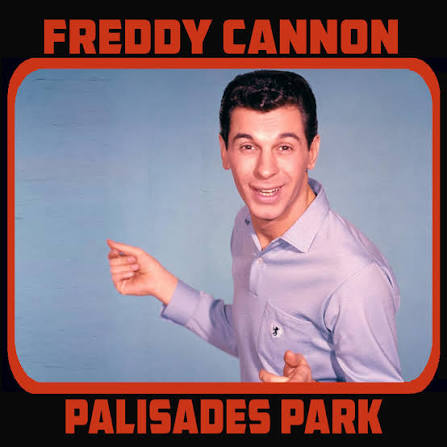

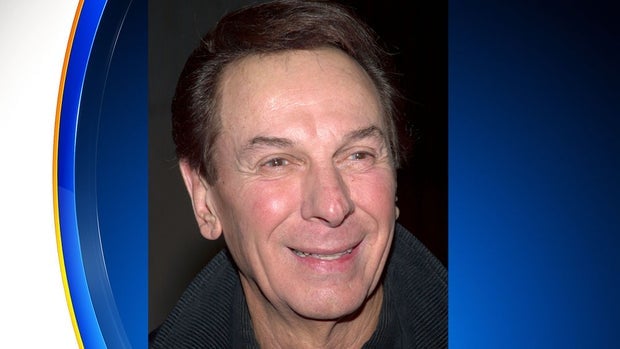
LOS ANGELES – Freddy “Boom Boom” Cannon, the Massachusetts-born rock-and-roller who placed three songs in the Billboard top ten between 1959 and 1962 and set an enduring record with 110 appearances on Dick Clark’s American Bandstand, died July 17 at a hospice facility in Oxnard, California. He was 89. His children Conny and Billy were at his side.
His daughter Conny confirmed the death, noting that cancer had come on quickly. “He will be remembered as a rock and roll icon,” she said. “His music will live forever in our hearts.” Tom Cuddy, a longtime friend and iHeart Radio producer who had known Cannon for decades, also announced the passing.
Born Frederick Anthony Picariello Jr. on December 4, 1936, in Lynn, Massachusetts, he was the son of a working-class family with no particular connection to the music industry. The path in came through his mother. She wrote a poem about a woman from Tallahassee, and her son turned it into a song. “Tallahassee Lassie,” recorded for Swan Records, reached the Billboard top ten in 1959, and Cannon’s career began.
The nickname came from his style. He hit the drums with an authority that rattled the room, and the sound that resulted was percussion-first, melody second. “Boom Boom” was both a description of how he played and a double meaning on his family name. It stuck. From that first charting single through the end of his performing life, he carried it.
Dick Clark recognized something in the sound almost immediately. Bandstand aired out of Philadelphia, and Clark encouraged Cannon to relocate from Lynn to the city. He did, bringing his high school sweetheart Jeanette with him. The move proved prescient: over the following years, Cannon became American Bandstand’s most frequent guest, ultimately appearing 110 times, a record no other performer matched.
The exposure translated directly to the charts. “Way Down Yonder in New Orleans” followed “Tallahassee Lassie” into the top ten in 1959, establishing Cannon as more than a novelty act. He was a consistent commercial presence in an era when consistency was the difference between a career and a footnote. Then came “Palisades Park.”
Written by Chuck Barris, who would later create The Gong Show and The Newlywed Game, “Palisades Park” captured the energy of a New Jersey amusement park across the Hudson from Manhattan. The song reached the top ten in 1962, Cannon’s third such entry and his most enduring. Decades later, the park itself was gone; the song remained in circulation in oldies programming, commercials, and soundtracks built around an American summer.
In the United Kingdom, his reputation took a different shape. “The Explosive! Freddy Cannon,” his debut album, reached number one on the British albums chart in 1960, arriving before the British Invasion had reversed the transatlantic current of pop influence. Cannon was exporting something to a market that would soon be sending it back amplified.
By the mid-1960s, the commercial peak had passed. Cannon released sixty singles over the course of his career, twenty-nine of which charted on the Billboard Hot 100. He continued to tour, to record, and to take the stage at venues that still existed for audiences that remembered the Bandstand era. He was said to be actively working on music in Oxnard until his health made that impossible.
His personal losses in the final years compounded. Jeanette, his wife and high school sweetheart, died in September 2024. Their son John died in April 2026. When Cannon followed in July, the three deaths fell within less than two years of each other.
Cannon is survived by his daughter Conny and son Billy, both of whom were present when he died; his sister Mary Lou; son-in-law Jim; daughter-in-law Beth; five grandchildren; and seven great-grandchildren.
The generation of performers who built American rock and roll in the late 1950s has thinned nearly to nothing. Cannon had performed alongside Chuck Berry, Fats Domino, and Little Richard during the years when their genre was still arguing for its own legitimacy, and he held a Bandstand record that reflects how central his era was to what American pop music became. His 110 appearances represent not just personal achievement but the architecture of a distribution system for popular music before MTV, before streaming, before any of the machinery that followed. When Victor Willis of the Village People died earlier this month, another name from the history of American pop disappeared. Cannon’s death removes one of the last from a generation that built the foundation.
What he was working on in those final months remains unknown. Whether recordings exist from that Oxnard period is a question his family has not addressed publicly. What is established, as The New York Times noted in its obituary, is what he made across seven decades and what he brought to each room he played: a drum-powered attack that justified a nickname, a record at the show that introduced him to the country, and three songs that still sound like Saturday afternoon at full volume.