
In the increasingly crowded universe of wellness advice, a new variable is beginning to eclipse intensity, duration, even discipline: timing. Not how long you exercise, nor how hard—but precisely when.
A growing body of research, spanning metabolic health to cardiovascular risk, is converging on a stark conclusion: the best time of day to exercise has become a popular and open question. And the answer, increasingly, is deeply personal.
At the center of this shift is the emerging science of circadian biology—the 24-hour rhythm governing everything from hormone release to insulin sensitivity. And according to a sweeping new review cited by The Washington Post, the implications are particularly acute for people battling metabolic disorders.
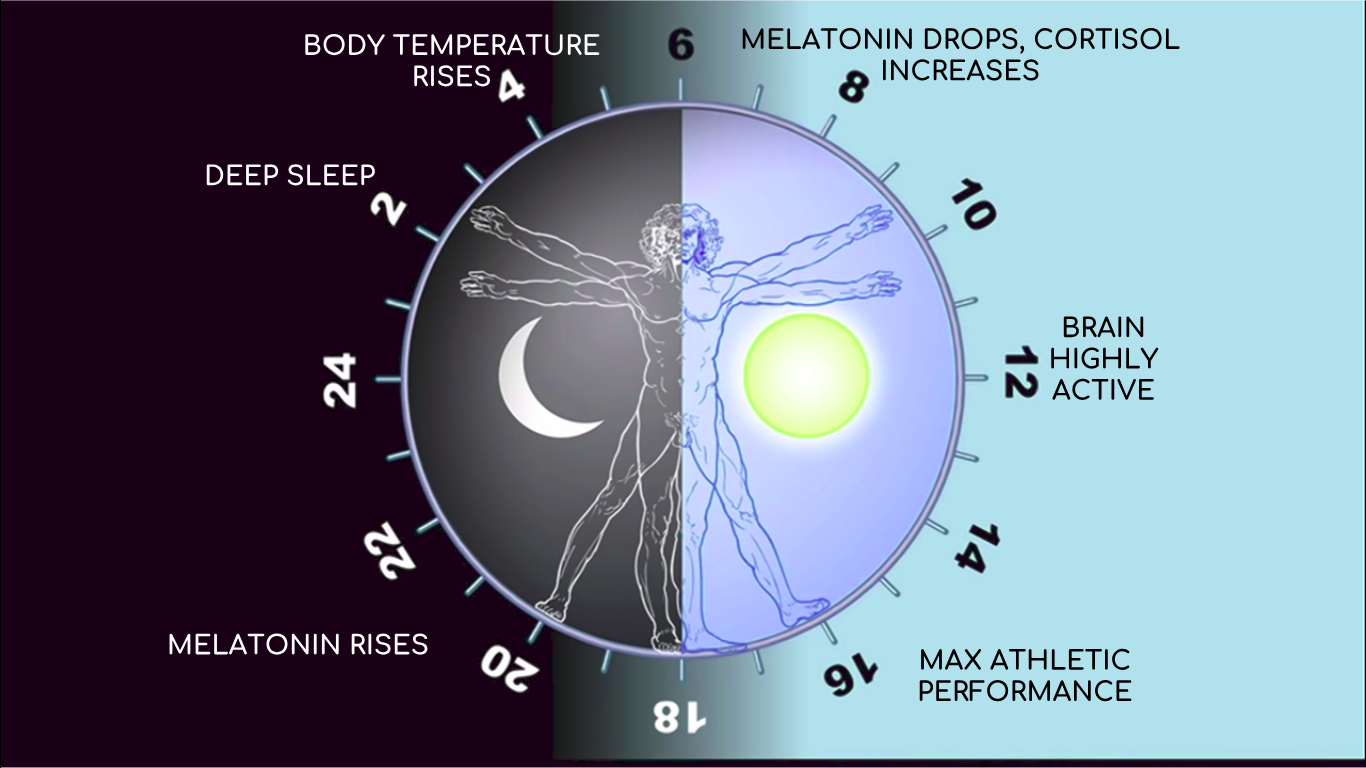
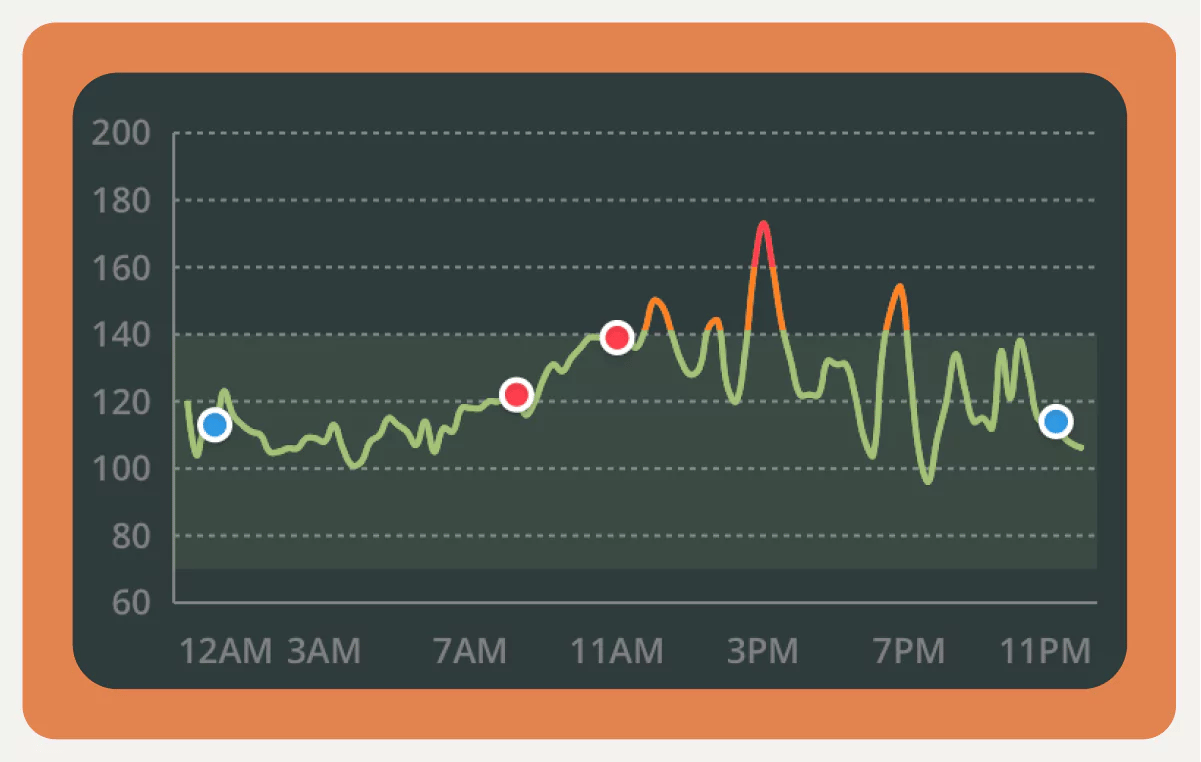
The reason lies in what scientists call the “dawn phenomenon.” In the early hours, cortisol—a stress hormone—spikes sharply, prompting the liver to release glucose into the bloodstream. For healthy individuals, insulin compensates. But for those with insulin resistance, that surge lingers. Add a high-intensity morning workout, and the body can flood the bloodstream with even more glucose, amplifying the very condition exercise is meant to correct.
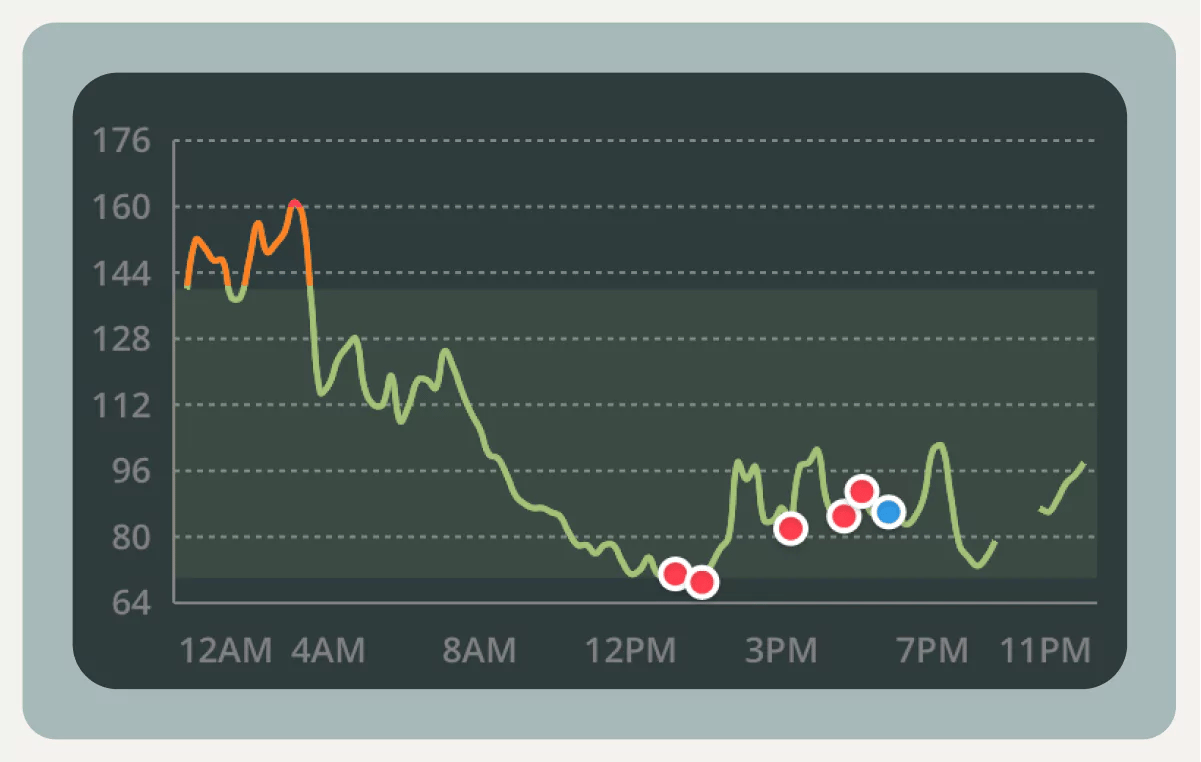
This is not a fringe hypothesis. Across multiple human studies, the pattern repeats: late-day exercise improves insulin sensitivity and stabilizes blood sugar, while early-day exertion can produce the opposite effect in metabolically vulnerable populations.
A parallel line of research is reshaping how physicians think about cardiovascular disease. A recent study suggests that matching exercise timing to chronotype produced larger improvements in key health markers.
Participants who exercised in sync with their biological rhythms saw sharper declines in blood pressure, improved cholesterol profiles, enhanced aerobic fitness, and markedly better sleep quality compared to those who exercised at biologically mismatched times. The findings reinforce that aligning workouts with their biological rhythms is not merely a lifestyle preference—it is a measurable health intervention.
The numbers are difficult to ignore. In some cases, systolic blood pressure dropped nearly twice as much when exercise timing matched the body’s internal clock.
This emerging framework reframes exercise not merely as a mechanical activity but as a form of biological signaling. Scientists describe it as a “zeitgeber”—a time cue capable of resetting the body’s internal clocks.
The implications are sweeping. Exercise is no longer just a tool for burning calories; it is a lever capable of recalibrating metabolic and cardiovascular systems—if deployed at the right time.
Even modest interventions appear to carry weight. A simple 10-minute walk after eating can blunt blood sugar spikes more effectively than longer workouts performed at less strategic times.
Indeed, preventive health screening plays a critical role in early detection, and now, timing may emerge as the next frontier in that preventive framework.
Still, the science is not without caveats. Much of the existing research has been conducted on relatively small, homogeneous groups, often skewed toward men. Questions remain about how women, older adults, and diverse populations respond to timing-based interventions.
Chronotype—the biological inclination toward mornings or evenings—also complicates the equation. Studies show that whether someone is naturally a morning or evening person can influence not only sleep but long-term mortality risk, reinforcing the need for individualized fitness strategies.
That insight is echoed across lifestyle research exploring whether you’re a morning lark or a night owl, suggesting that biological timing is far from trivial—it is foundational.
And when it comes to heart health, the warning signs begin earlier than many assume. Evidence continues to show that cardiovascular disease does not begin in middle age, making optimized exercise timing a potential early intervention strategy.
And adherence remains the silent variable. A perfectly timed workout that never happens is biologically irrelevant.
That is why experts continue to emphasize a foundational truth: any exercise is better than none. Even morning workouts—though potentially suboptimal for certain metabolic outcomes—still deliver substantial health benefits across nearly every organ system.
But the direction of travel is unmistakable.
What once appeared to be a minor scheduling choice is rapidly emerging as a central pillar of health optimization. In the near future, fitness prescriptions may look less like generic routines and more like chronobiological blueprints—tailored not just to bodies, but to clocks.
This development adds a new dimension to global fitness science trends reshaping preventive healthcare strategies.
The question is no longer whether you exercise.
It is whether you are doing it at the right time.
Related Posts