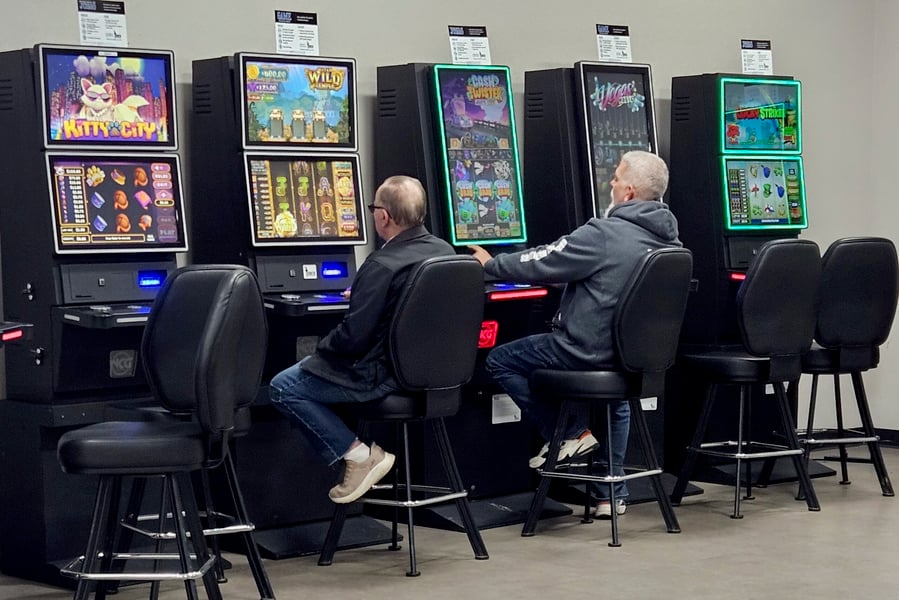

At a time when the economics of gambling continue to favor the house, a single spin of a slot machine in Massachusetts has delivered a rare and dramatic reversal of fortune.
A casino player turned a $1 wager into a jackpot exceeding $10,000 at MGM Springfield, according to local reports, underscoring both the allure and the unpredictability of modern slot gaming. The winning spin occurred on a machine identified as “Lightning Dollar Link,” a popular digital slot game among American casinos. Reports confirm the payout exceeded five figures, highlighting the scale of the win.
The outcome, while statistically improbable, reflects a broader truth about the US gambling industry: even the smallest bets can unlock outsized rewards, though such moments remain the exception rather than the rule.
Slot machines like the one involved rely on random number generators, ensuring that each spin is independent and unaffected by previous outcomes. In practical terms, this means that a $1 bet carries the same theoretical chance of triggering a jackpot as a significantly larger wager.
Many of these machines are tied to progressive jackpots, prize pools that increase incrementally as more players participate. These jackpots continue to grow until a winning combination is triggered, sometimes reaching substantial sums even on low-stakes machines.
In this case, the jackpot was relatively modest compared to national progressive payouts, but its significance lies in the minimal investment required to unlock it.
The Massachusetts win is not an isolated anomaly. Casinos across the US frequently publicize similar stories, small wagers producing unexpectedly large returns, as part of a broader narrative that sustains player engagement.
In recent months, multiple reports have documented players turning bets of less than a dollar into payouts ranging from several thousand dollars to six-figure sums. These stories, widely circulated across local media, serve both as marketing tools and as reminders of the unpredictable nature of gambling systems.
Yet beneath the headlines lies a more consistent reality: the overwhelming majority of players do not experience such outcomes.
Despite occasional high-profile wins, the structural design of slot machines ensures long-term profitability for casinos. Each machine is calibrated with a house edge, guaranteeing that, over time, payouts remain lower than total wagers collected. This dynamic defines the economics of casino gambling across the country.
For operators, stories like the $1 jackpot winner function as powerful reinforcement. They highlight possibility without altering probability, a balance that continues to define the US casino industry.
What makes a $1 win particularly compelling is not just the payout, but the narrative it creates. The idea that anyone, regardless of bankroll, can achieve a life-changing outcome with a single spin taps into a deeply rooted psychological appeal.
Casinos, both physical and digital, are built around this principle: low barriers to entry paired with high perceived upside.
The Massachusetts winner’s experience encapsulates that dynamic. A minimal-risk decision produced a disproportionate reward, reinforcing the belief that such outcomes, while rare, remain within reach.
For every player who walks away with a five-figure jackpot, countless others leave with losses that sustain the system. The $1 win, while genuine, does not disrupt this broader equilibrium.
Instead, it highlights the paradox at the heart of gambling: a system engineered for consistency occasionally produces moments of chaos, and it is precisely those moments that keep players coming back.