
WASHINGTON — Before Russia released him on Monday, Robert Gilman had spent 47 days handcuffed to a hospital bed in a Russian penal facility, fed through an intravenous tube and given psychotropic medication. His advocates described his condition as near death. Prison staff called it a dissociative stupor.
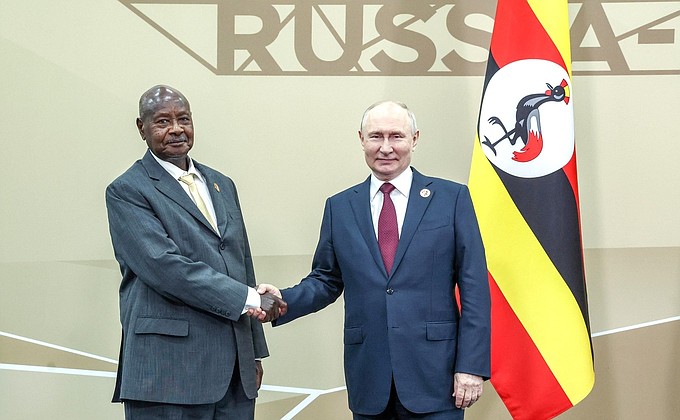
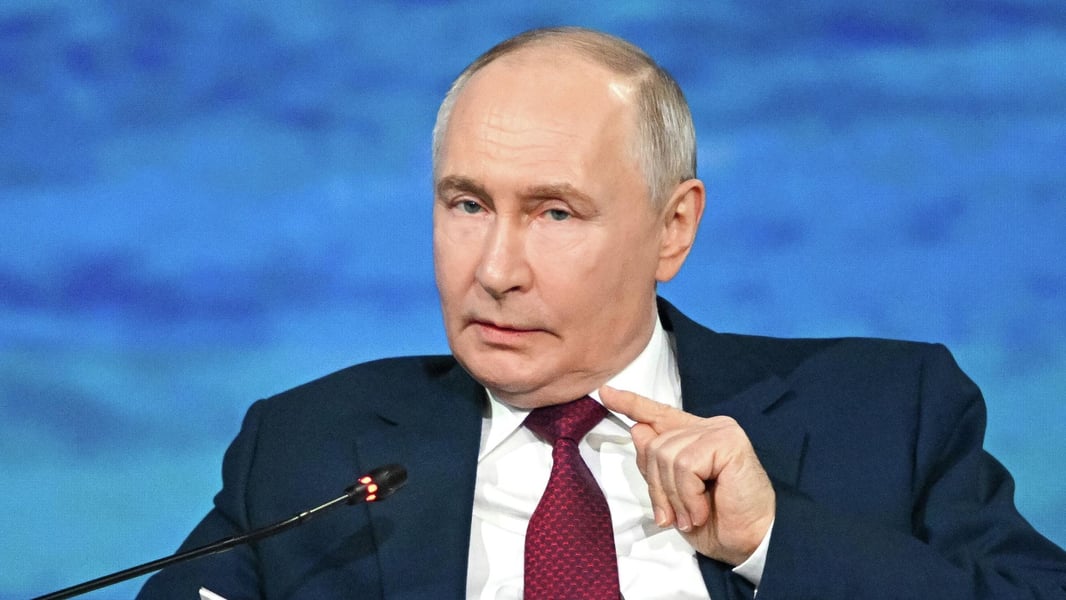
Gilman, 32, a former United States Marine and English teacher from Gloucester, Massachusetts, was freed on August 11 after more than four years in Russian custody. The State Department confirmed his release was secured on humanitarian grounds, with no prisoner exchange and no concessions provided in return. Russian President Vladimir Putin approved a pardon on humanitarian grounds, according to reporting by the South China Morning Post.
“Robert Gilman, a former United States Marine, is coming HOME,” President Trump posted on Truth Social. He described the release as occurring “very much on a Humanitarian Basis.” Eric Lebson, chief strategy officer at Global Reach, the advocacy organization working on Gilman’s behalf, indicated that direct presidential attention from Washington had contributed to the decision, though neither government provided a detailed account of what diplomatic steps preceded Moscow’s move.
Gilman was first detained in Russia in 2022 after an altercation with police officers who removed him from a train. Russian prosecutors charged him with beating an officer, and he was sentenced to three and a half years. What followed inside the Russian penal system extended his detention far beyond that initial calculation.
In October 2024, a Russian court sentenced him to eight years and one month on a new charge of attacking a prison inspector during a cell check. The following year, a further sentence of ten years was imposed after he was found guilty of assaulting prison guards. The compounding prosecutions, a pattern rights organizations say is common in politically sensitive cases involving foreign nationals, effectively removed any near-term prospect of release and complicated diplomatic efforts on his behalf.
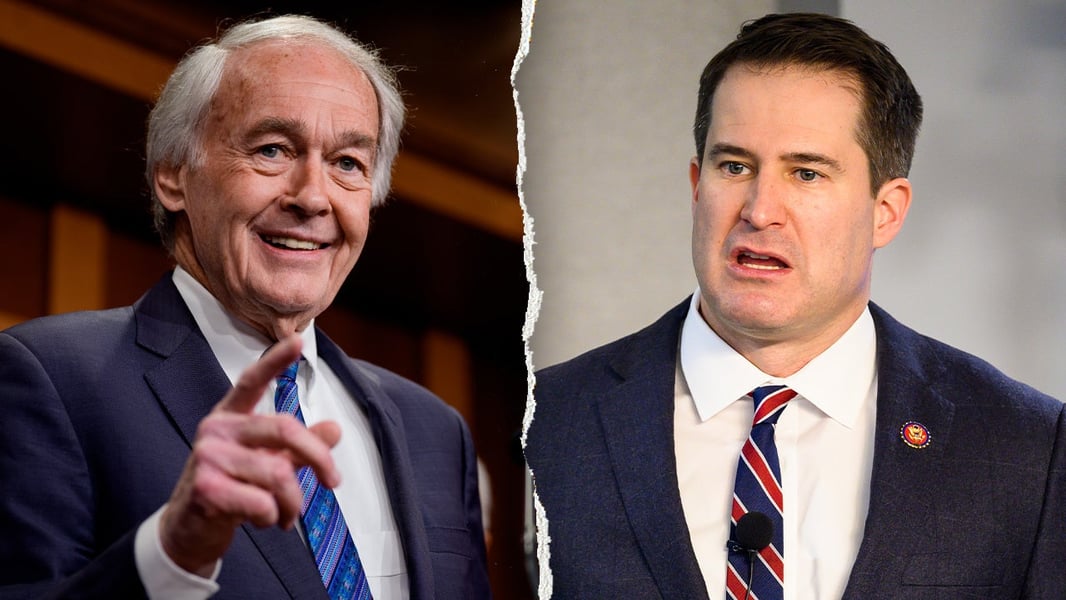
The 47-day hospitalization, which preceded Monday’s release, represented the most acute passage of his imprisonment. Gilman suffered a complete psychological collapse and was left unable to respond to those around him. He was handcuffed to the bed and fed through a tube, and had previously been subjected to forced exercise sessions lasting up to 16 hours. According to NBC News, Massachusetts Senator Edward Markey described his condition as “a dissociative stupor,” noting that Gilman was “non-responsive and unable to interact or eat” and “essentially catatonic.”
Markey had pressed the case for months, calling on both governments to act. His family’s advocates warned just days before the release that Gilman was “gravely ill and at risk of dying,” a warning delivered publicly in an apparent effort to intensify pressure on Washington and Moscow.
Trump’s announcement on Truth Social was preceded by what his team described as sustained presidential engagement. Gilman’s sister, Lexie Hudson, said the outcome reflected that pressure. “I am so grateful to President Trump for saving my brother’s life,” Hudson said. “There is no other reason that Robert is alive today other than that President Trump heard about the case and took action.”
Gilman was transported to a United States military hospital in Texas, where he will undergo medical and psychological evaluation. The full details of his current condition were not publicly released Monday.
Russia’s decision to release him without demanding anything in return was a departure from recent precedent. The August 2024 prisoner swap that freed Wall Street Journal correspondent Evan Gershkovich and Paul Whelan required months of back-channel diplomacy, participation from multiple European governments and the release of Russian nationals held in Western prisons. No comparable arrangement appeared to be involved in Gilman’s case.
Russia’s rationale of humanitarian grounds and goodwill offers limited clarity about what preceded the decision. Moscow issued no detailed formal statement on the timing. American officials declined on the record to describe what, if any, informal communication had occurred with the Kremlin beforehand.
At least ten Americans are currently believed to be imprisoned in Russia, according to advocacy groups that monitor the cases. Their circumstances vary: some face espionage allegations, others charges that rights organizations describe as fabricated or procedurally compromised. Gilman’s release does not by itself change the diplomatic calculus for any of them.
What remains unknown is whether the timing of Monday’s release reflected a quiet signal from Moscow, a response to sustained pressure through informal channels, or simply Russia’s calculation that Gilman’s deteriorating health had made continued detention an international liability. No official in either government addressed that question publicly.
For the Gilman family, such questions recede for now. A man who left Massachusetts as a teacher, accumulated more than a decade in Russian prison sentences, and spent the final weeks of his imprisonment unable to eat without a tube is on his way home to a military hospital in Texas. The ten or more Americans who remain in Russian custody are not.