
BOSTON – For four days after Lindsay Clancy strangled their three children in a Duxbury, Massachusetts home, Patrick Clancy held his dying 8-month-old son Callan in his arms. With his free hand, he typed tributes to Cora and Dawson on his phone. In those hours, he said, he made a decision that has defined every day since: he forgave his wife.
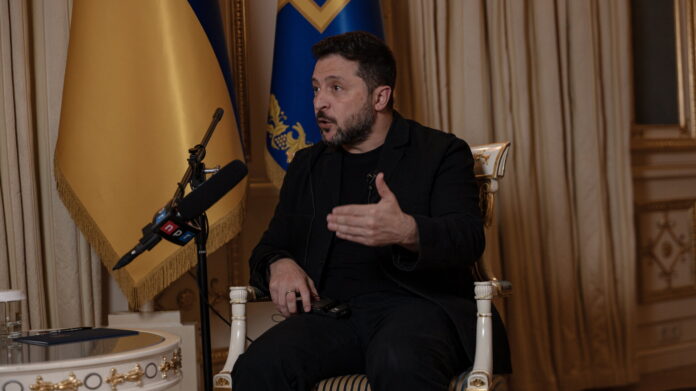
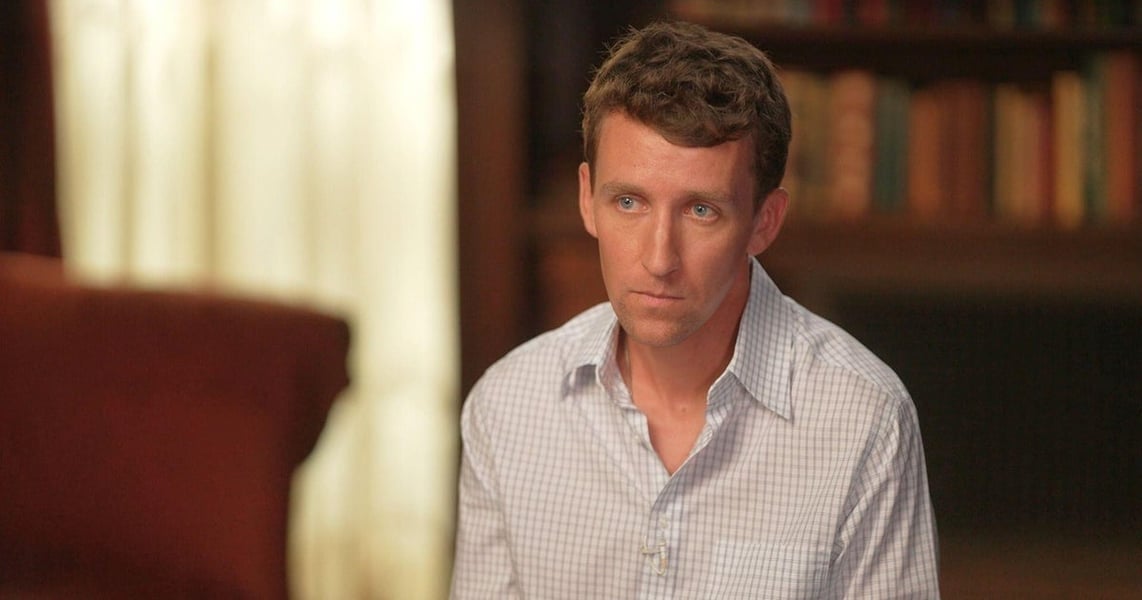
That act of forgiveness, and the legal system’s continued inability to reach a verdict about it, is the subject of a 60 Minutes interview that aired Sunday, in which Patrick Clancy spoke publicly for the first time since a Massachusetts jury deadlocked last month and a mistrial was declared. He was joined by Dr. Rachel Danis, his new partner, who is expecting their child.
“I don’t have anger,” Patrick told 60 Minutes correspondent Ross Douthat. The statement, brief as it is, carries the weight of three years since January 24, 2023, when Lindsay, a labor and delivery nurse, strangled Cora, 5, Dawson, 3, and Callan, who was 8 months old, inside the family home in Duxbury before jumping from a second-floor window.
The mistrial was declared September 4, after the jury deadlocked 11 to 1. Eleven jurors were prepared to acquit Lindsay on grounds that a severe episode of postpartum psychosis had stripped her of the capacity to understand what she was doing. One juror refused to acquit. The prosecution now must decide whether to bring the case to trial again, though no date has been set and no public announcement has been made.
Patrick had testified for the prosecution. On the stand, he described a wife who had grown increasingly anxious and withdrawn in the months before the killings, who had been placed on multiple medications by her prescribing clinicians, whose behavior alarmed him but whose legal culpability he has never claimed to understand. When prosecutors played the 911 recording from the night of the attack during his testimony, Patrick suffered a panic attack in front of the jury. He left the courtroom briefly, then returned.
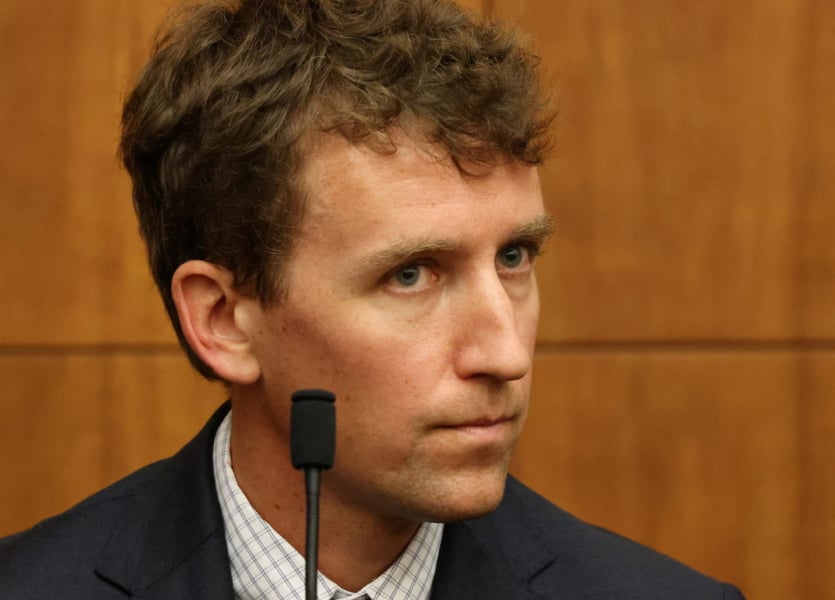
He did not say, on air, what he believes a jury should do if the case goes to retrial. His appearance on one of American television’s most prominent news programs, flanked by his new partner, days after the deadlock, is not a neutral act. The man most visibly damaged by Lindsay’s actions has already reached a conclusion the murder trial could not produce. His forgiveness, he has said in public statements since the killings, predates any legal proceeding. It was decided in the room where Callan was dying.
Still, the grief is not resolved and Patrick does not describe it as such. He still speaks to his children. Asked by Douthat whether he talks to Cora, Dawson, and Callan, he said: “Help me. All the time.” He added that he likes to believe they answer. He described a period after the killings when he genuinely did not expect to survive them, not through active intent but through a kind of indifference to living. “There was a time where I didn’t think I would live to see my 35th birthday,” he said. “And I was completely fine with it.”
Dr. Danis was present for the interview, and their relationship and the child they are expecting carry implicit weight in the broadcast without being stated as an explanation for how Patrick survived the years after January 2023. He did not frame the appearance as a story of moving on. He framed it as an account of what he has chosen to do with the time that remained after he stopped expecting to have it. Patrick has been careful, throughout his public appearances, to resist the vocabulary of recovery, because recovery implies the injury is in the past.
The CBS News program aired the interview two weeks after the mistrial and before prosecutors have publicly confirmed whether they will seek a new trial. Lindsay, who sustained serious injuries in her fall from the window the night of the killings, remains in custody and has entered a not-guilty plea by reason of insanity. No retrial date has been announced. Legal analysts following the case expect the prosecution to proceed, given the severity of the charges and the 11-to-1 margin of the deadlock. What a second trial would look like, and whether Patrick would again be called to testify against the woman he says he does not resent, are questions neither the interview nor the prosecution has yet answered.
There is something his statement contains that a verdict would not: it was addressed to Lindsay directly. He told Douthat that appearing publicly with these words was something he believed Lindsay needed to hear. The interview did not change the legal circumstances. It changed nothing about where the case stands. But it made clear that Patrick Clancy, at least, is not waiting on a jury to tell him how to feel.