
NEW YORK — The champagne came out at the Midtown Manhattan offices of 60 Minutes this week, which is not how a newsroom in the middle of a purge usually behaves. Lesley Stahl raised her glass and offered two words, “to us,” and everyone in the room understood what the toast left unsaid. Us meant the survivors.
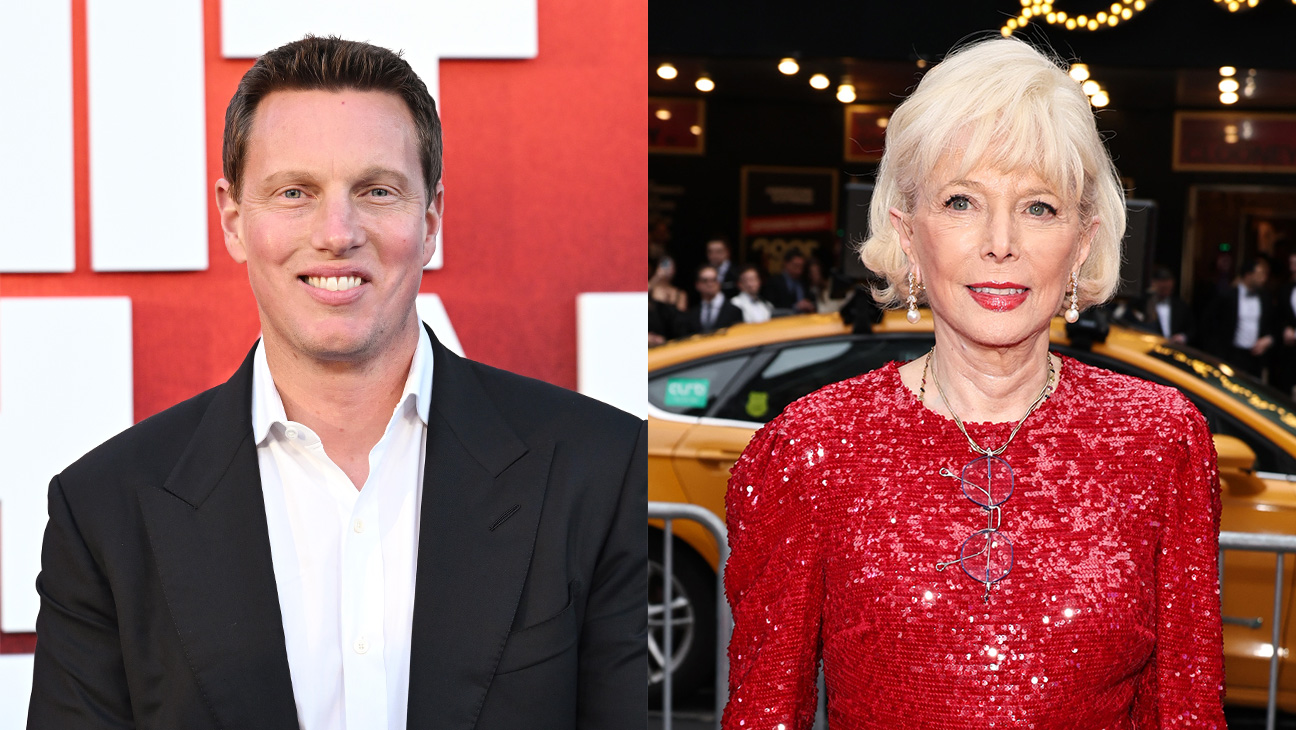
Stahl, 84, the broadcast’s longest-tenured correspondent, had something to hold onto. David Ellison, the Paramount Skydance chief executive, called her on Sunday and personally assured her that 60 Minutes would keep its editorial independence. She relayed the promise to the staff on Monday and confirmed the call to The New York Times a day later.
The assurance matters because of who is left to hear it. After a late-May restructuring stripped the program of its executive producer, its executive editor, two correspondents and two senior producers, only three correspondents remain on a broadcast that an open letter signed by 130 journalists last week valued at roughly $200 million a year in revenue for Paramount. A phone call is now carrying weight that an entire institutional structure used to bear.
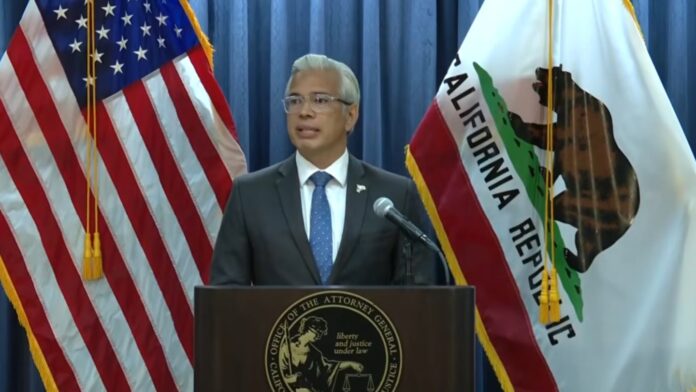
The departures came fast. CBS News pushed out executive producer Tanya Simon and executive editor Draggan Mihailovich in late May, along with correspondents Sharyn Alfonsi and Cecilia Vega and senior producers Guy Campanile and Matthew Polevoy. Days later Scott Pelley was fired from 60 Minutes after friction with the program’s new leadership, an exit that turned a restructuring into something closer to an exodus.
Variety reported the Ellison assurance on Tuesday, citing three people familiar with the matter, and described it as an attempt to calm a program that has spent three weeks in open turmoil. The outlet noted that CBS News pulled in $362 million in advertising revenue last year, a figure that explains why Paramount cannot afford to let its most valuable news franchise bleed talent indefinitely.
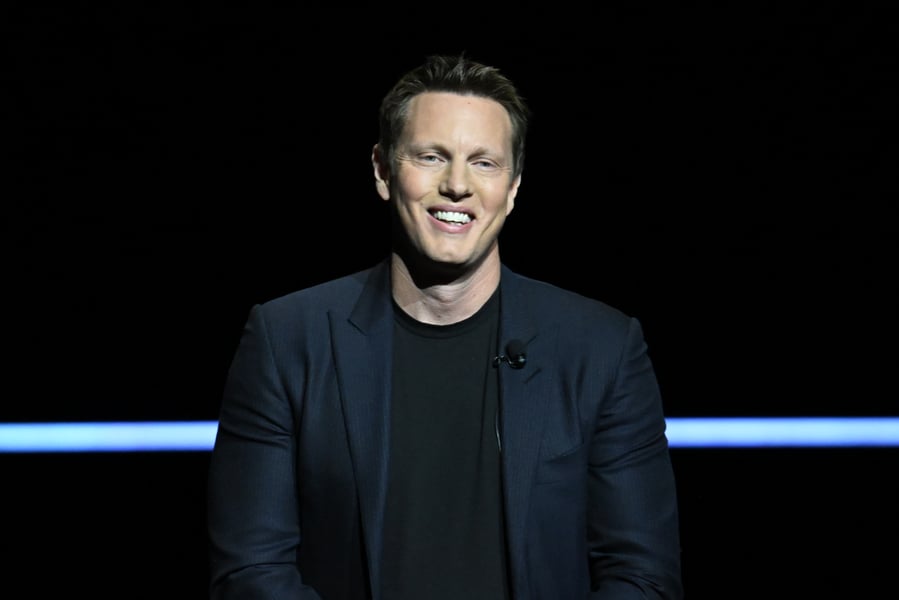
Nick Bilton, the new executive producer, tried his own reassurance a week earlier, writing in a June 4 staff memo that “the foundation of 60 Minutes is its journalistic independence,” words that landed on a newsroom still counting empty offices. Correspondent Jon Wertheim reportedly told Bilton there was a path here, which is about as warm as the building gets right now. Bilton arrived from magazine journalism with no television news background, a fact his veteran staff has not stopped noticing.
The doubts have a specific source. Bari Weiss, the CBS News editor in chief installed after the Skydance takeover, wants the broadcast to feed more digital and social content and to chase timelier segments built on newsmaker interviews. Late last year she delayed a migrant story that had already been publicly promoted so producers could seek comment from a Trump administration official, a decision that drew criticism inside the network for the appearance of accommodating the White House.
Independence is loaded language at this particular network. Paramount paid $16 million to settle Donald Trump’s lawsuit over the editing of a Kamala Harris interview on 60 Minutes, a settlement much of the industry read as the price of regulatory peace while the Skydance merger awaited approval. Promising autonomy to the same program the company once paid to quiet is, at minimum, an irony the staff has registered.
The pressure on Ellison was already public before he picked up the phone. Dan Rather led 130 journalists in an open letter demanding the Paramount chief protect 60 Minutes, an extraordinary intervention from a man whose own exit from CBS remains one of the network’s deepest wounds.
The arithmetic of who remains is stark. Bill Whitaker and Jon Wertheim stay on alongside Stahl, three correspondents where there were six at the start of May, with a producing bench that lost its two most senior members in a single afternoon.
What Ellison did not offer, at least as anyone has described it so far, is anything in writing. The pledge has no published terms. It does not define where Weiss’s mandate ends and the broadcast’s autonomy begins, does not say whether the program’s remaining producers can decline the digital repackaging she wants, and does not explain what happens the next time a story inconveniences a White House the company has already paid once. Paramount has not commented publicly on the call.
Stahl has been at 60 Minutes since 1991 and has outlasted every regime change the network could produce. Her toast was to us, she said in remarks reported by The Hollywood Reporter, meaning the survivors, and then she allowed that the word maybe carried “a twinge of survivor’s guilt.”
Whether the promise holds is not something anyone inside the building claims to know. Three correspondents now carry a broadcast that has run since 1968, under an executive producer they did not choose, inside a company that has already shown what it will pay to make a problem go away. The champagne was finished by the afternoon. The promise, for now, is a phone call.