
Across multiple regions, pollen concentrations are rising earlier and persisting longer, creating a compressed and overlapping exposure cycle that leaves little room for physiological recovery. Meteorologists and clinicians alike describe a structural shift: the traditional boundaries of allergy seasons are dissolving under the pressure of a warming atmosphere and deteriorating air quality.
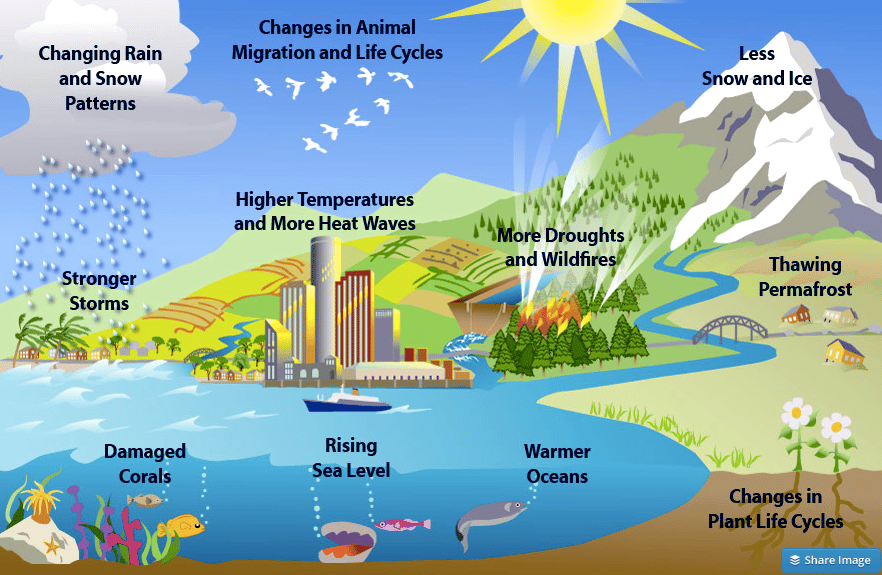
At the center of this transformation is the accelerating climate crisis, which is no longer an abstract environmental discourse but a direct determinant of respiratory health outcomes. Rising temperatures are extending vegetative growth periods, while elevated carbon dioxide levels are intensifying pollen production across multiple plant species.
Scientists describe this as a systemic reconfiguration of ecological timing, where phenological patterns no longer adhere to historical norms. In this context, climate change is fundamentally rewiring the biology of the seasons, altering not only when plants bloom but how aggressively they release airborne allergens.
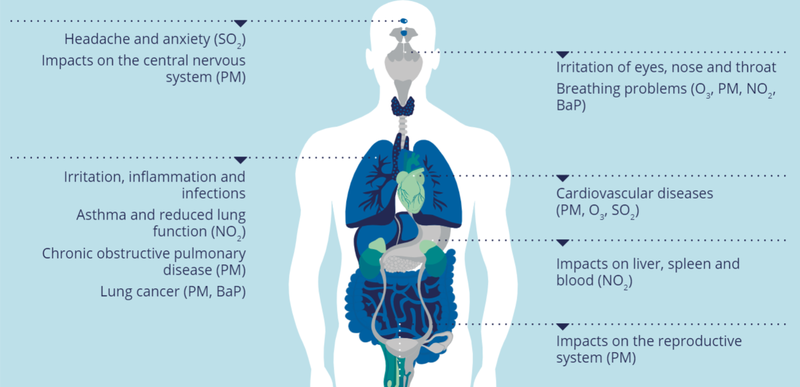
In parallel, air quality degradation is amplifying the severity of allergic responses. Fine particulate matter, ozone exposure, and industrial pollutants are interacting with pollen particles in ways that intensify inflammatory reactions in the respiratory tract. As the World Health Organization notes, air pollution compounds the damage, particularly for vulnerable populations with pre-existing respiratory conditions.
This interaction is not merely additive but synergistic. Individuals exposed to both elevated pollen levels and polluted air often experience heightened symptom severity, including chronic sinus inflammation, bronchial irritation, and increased asthma exacerbations. The clinical burden is reflected in the growing classification of allergic conditions as chronic, multi-factorial diseases rather than seasonal irritants.
Public health researchers increasingly describe the current pattern as a more volatile and unpredictable disease profile, driven by overlapping environmental stressors that resist conventional treatment frameworks.
In urban centers, this volatility is compounded by localized pollution traps, where heat islands intensify both pollen production and pollutant concentration. The result is a feedback loop: higher temperatures increase biological output, while stagnant air masses prolong exposure duration.
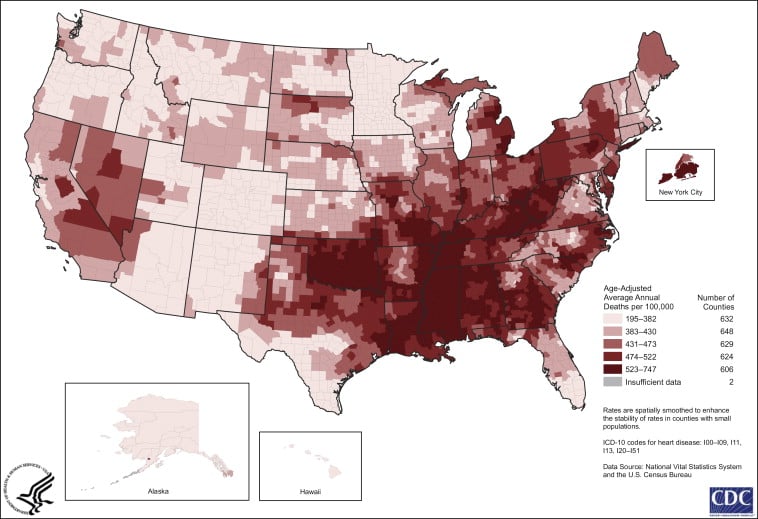
Within the United States, regional variations remain significant, but the overall trajectory is consistent. Tree pollen peaks are arriving earlier in the calendar year, grass pollen cycles are extending deeper into summer, and ragweed exposure is persisting further into autumn. These overlapping cycles are effectively eliminating the recovery intervals that once defined seasonal allergies.
In parts of the United States, high pollen concentrations are now expected to persist for extended periods, with multiple allergen sources overlapping before earlier cycles have concluded. This stacking effect significantly increases cumulative exposure, intensifying both incidence and severity of symptoms.
Environmental monitoring agencies have also observed that warming-driven shifts are expanding pollen distribution northward, introducing high-allergen species into regions previously unaffected. This geographic redistribution adds another layer of unpredictability to an already destabilized system.
Experts warn that under current emissions trajectories, pollen production could increase dramatically in the coming decades, with projections suggesting that pollen levels could rise by as much as 200 percent in certain high-emission scenarios.
For individuals with asthma or chronic rhinitis, the implications are particularly severe. Even minor increases in airborne allergen concentrations can trigger disproportionate inflammatory responses, leading to more frequent medical interventions and greater reliance on pharmacological management.
At the societal level, the cumulative burden is reshaping healthcare demand patterns. Emergency visits for respiratory distress spike during peak pollen periods, while primary care systems report sustained increases in allergy-related consultations across extended seasonal windows.
The trajectory is clear but not easily reversible. Without significant mitigation of emissions and air pollution, allergy seasons are expected to continue expanding in duration and intensity. This will likely entrench allergic disease as a year-round condition for a growing portion of the global population.
What was once dismissed as a seasonal annoyance is now emerging as a chronic environmental health burden—one that reflects the broader instability of the atmospheric systems that sustain human life.