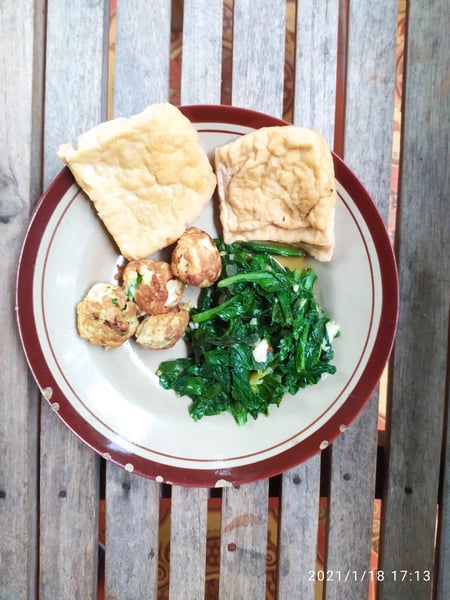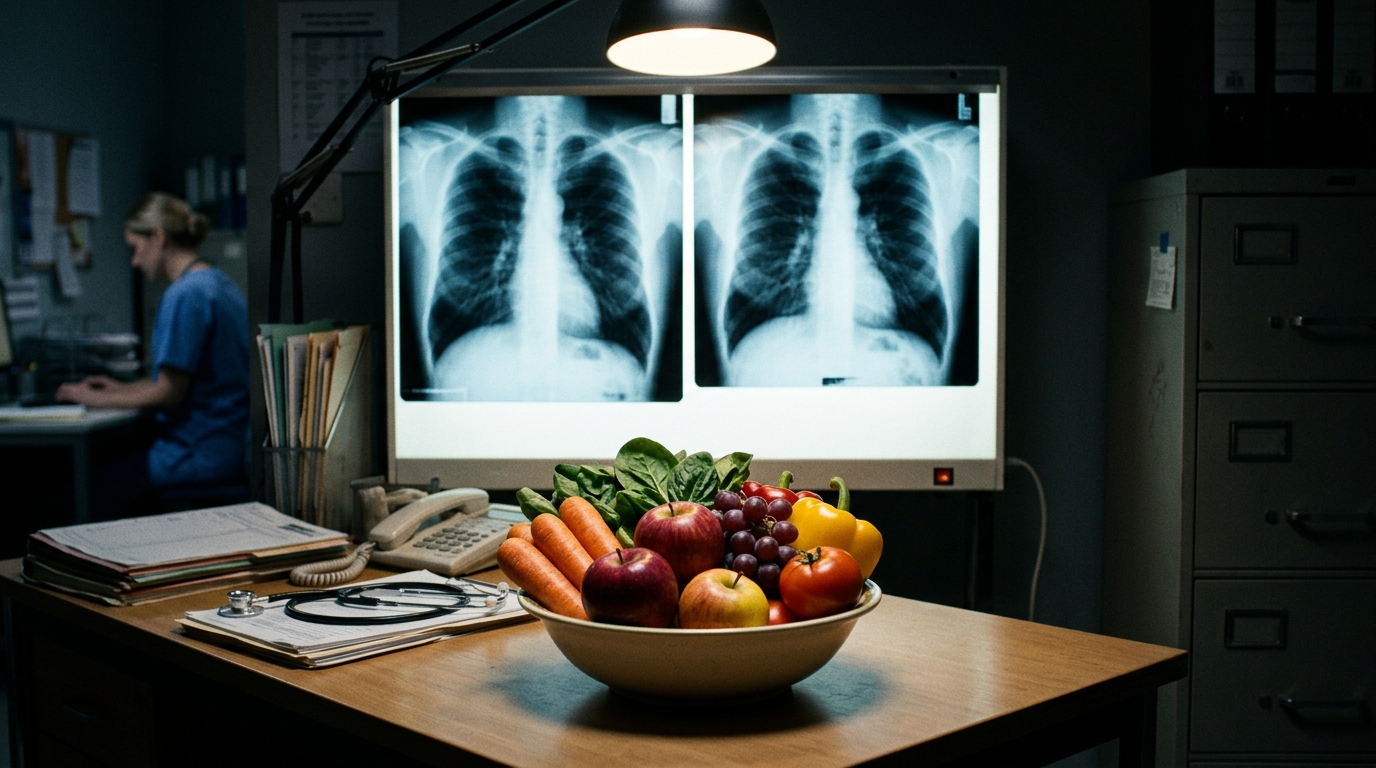

The idea that eating clean could quietly be killing you sounds like a dystopian punchline. Yet that is precisely the narrative ricocheting across headlines after a controversial study from the University of Southern California suggested a startling link between “healthy” diets and lung cancer in young non-smokers.
The backlash from scientists has been swift, clinical, and, in some corners, scathing.
At the center of the storm is research presented at the American Association for Cancer Research annual meeting, where investigators examined 187 patients under 50 diagnosed with lung cancer, most of them non-smokers. The finding that ignited global attention: these patients reported diets richer in fruits, vegetables, and whole grains than the average American.
“Our research shows that younger non-smokers who eat a higher quantity of healthy foods than the general population are more likely to develop lung cancer,” said Dr. Jorge Nieva, the study’s lead investigator.
The phrasing was incendiary. The implications, even more so.
A Study That Sparked Panic—and Skepticism
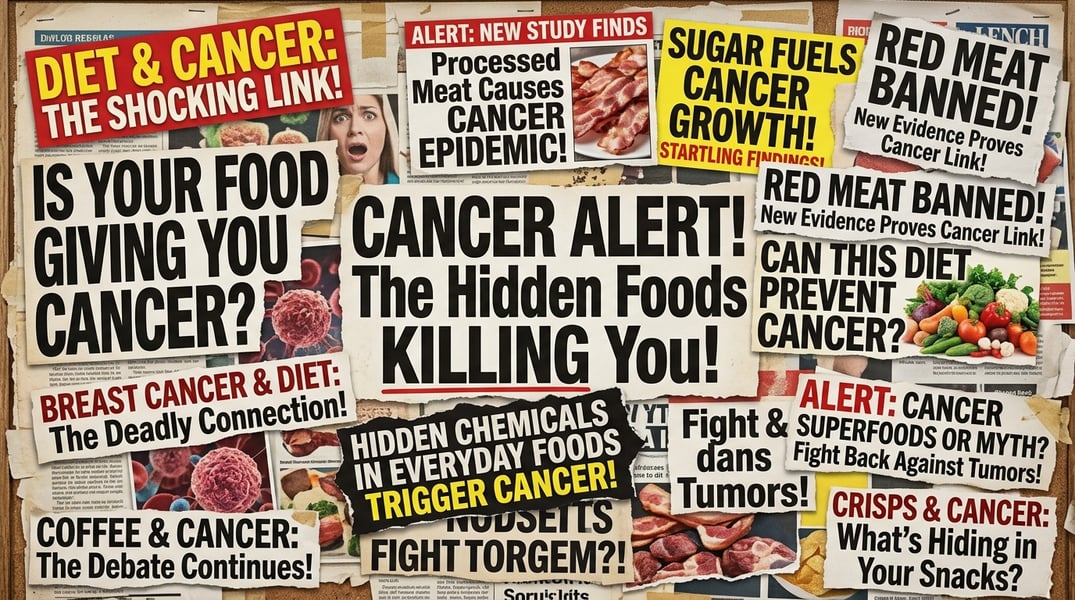
Within hours, headlines metastasized across the internet: fruit linked to cancer, vegetables under suspicion, the modern wellness ethos turned upside down. But many experts argue the study itself is being dangerously overinterpreted.
The research, notably, has not yet been peer-reviewed. It identifies an association, not causation. And its sample size is modest, raising questions about statistical robustness and bias.
Even within the data, the signal is murky. Participants had an average Healthy Eating Index score higher than the national average. That metric measures diet quality, not exposure to toxins, lifestyle variables, or environmental pollutants.
In other words, the study does not prove that eating vegetables causes cancer. It suggests that something correlated with those diets might.
The Pesticide Hypothesis
That “something,” researchers speculate, could be pesticides.
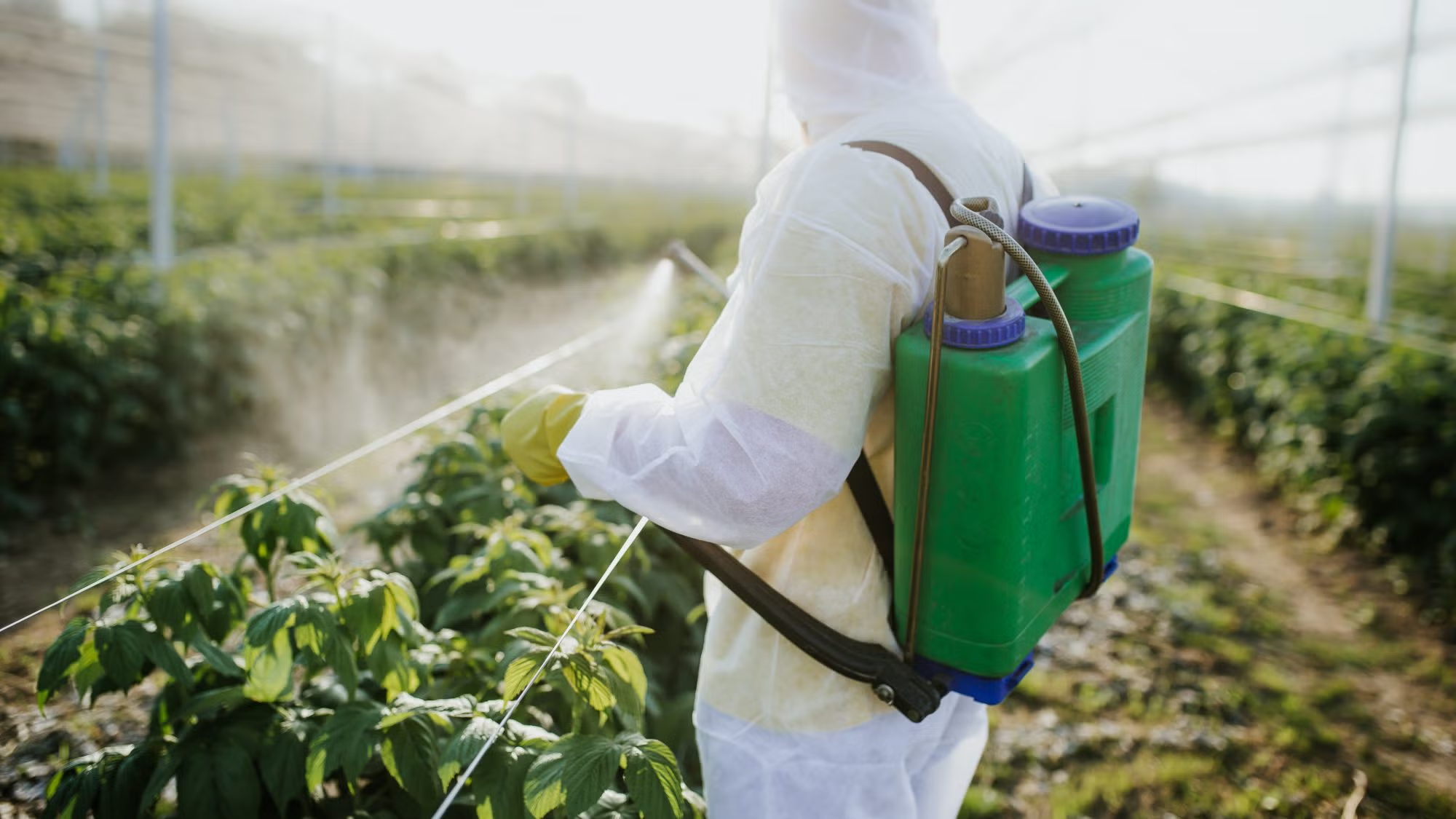
The idea is not entirely implausible. Agricultural workers, who experience chronic pesticide exposure, have historically shown higher rates of lung cancer.
But here, too, the evidence thins. The USC study did not directly measure pesticide levels in participants’ bodies or food intake. Instead, it relied on generalized estimates of exposure, a methodological shortcut that weakens causal inference.
Researchers themselves acknowledge the gap. The next phase, they say, is to test biological samples to identify whether specific chemicals correlate with cancer risk.
A Real Trend, Misleading Framing
Beneath the noise lies a legitimate and troubling trend: lung cancer is rising among younger non-smokers, particularly women.
This shift has puzzled oncologists for years. Smoking rates have declined sharply since the 1980s, and overall lung cancer incidence has fallen. Yet among people under 50 who have never smoked, cases are quietly increasing.

Some researchers have also pointed to a possible association with oral contraceptives, though that, too, remains speculative.
The Media Problem
What transformed a preliminary conference paper into a global panic was not the data, it was the framing.
In an era optimized for virality, nuance rarely survives first contact with the algorithm. A correlation becomes a cause. A hypothesis becomes a warning. A single study becomes a verdict on decades of nutritional science.
The result: public confusion, and potentially dangerous behavioral shifts.
Nutrition experts stress that the overwhelming body of evidence still supports diets rich in fruits, vegetables, and whole grains as protective against numerous diseases, including many cancers and better long-term health outcomes.
Even authors of the study concede this point. Healthy eating remains foundational to long-term health outcomes.
What Comes Next
For now, the study sits in a familiar category: provocative, incomplete, and ripe for misinterpretation.
It raises a legitimate scientific question, whether environmental contaminants embedded in otherwise healthy foods could pose hidden risks. But it does not answer it.
What it does reveal, more starkly than anything else, is the fragility of public trust in science when preliminary findings are amplified without context.
The real story is not that fruit causes cancer. It is that modern health risks are increasingly entangled with invisible exposures, chemical, environmental, systemic—that science is only beginning to map.
Until stronger evidence emerges, the advice from experts remains unchanged: maintain a balanced diet, remain informed through latest health news and updates, and avoid drawing sweeping conclusions from a single, unsettled study.
Because in the age of viral science, the most dangerous thing may not be what we eat, but how quickly we believe what we’re told about it.