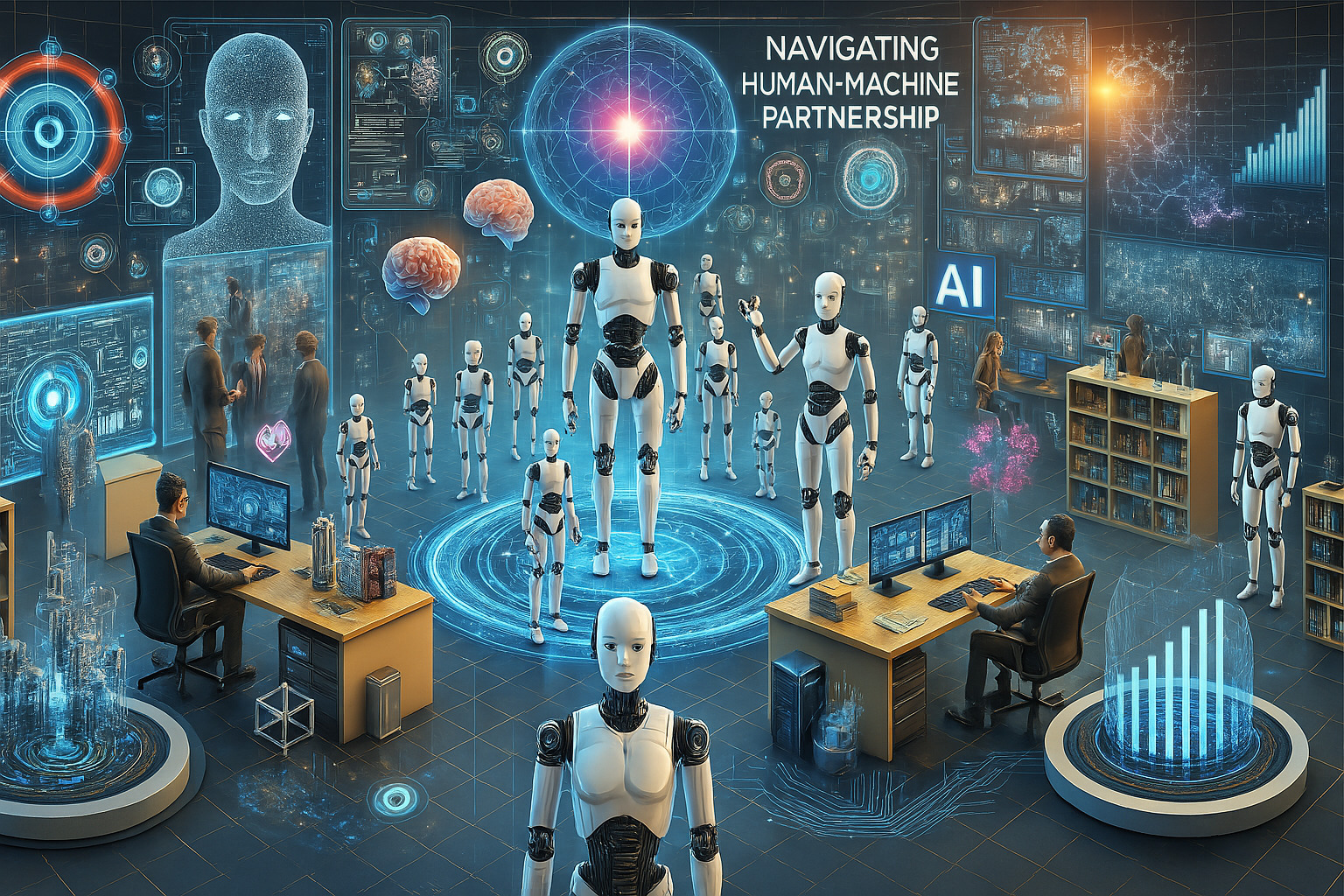

Anthropic’s latest push into autonomous artificial intelligence has triggered a fierce backlash across Silicon Valley after the company introduced a controversial “dreaming” capability designed to help AI agents reflect on past tasks and improve future performance.
The feature, unveiled this week as part of Anthropic’s broader expansion of AI agents, immediately reignited a growing debate over how aggressively technology companies are humanizing machine behavior in public-facing products.
Critics argue the terminology is not merely marketing. They say it risks misleading users into believing AI systems possess consciousness, emotions, or internal cognition that does not actually exist.
In a sharply worded WIRED report on AI humanization concerns, writer Matteo Wong warned that the tech industry’s increasing use of phrases associated with human thought processes is blurring the line between software automation and psychological reality.
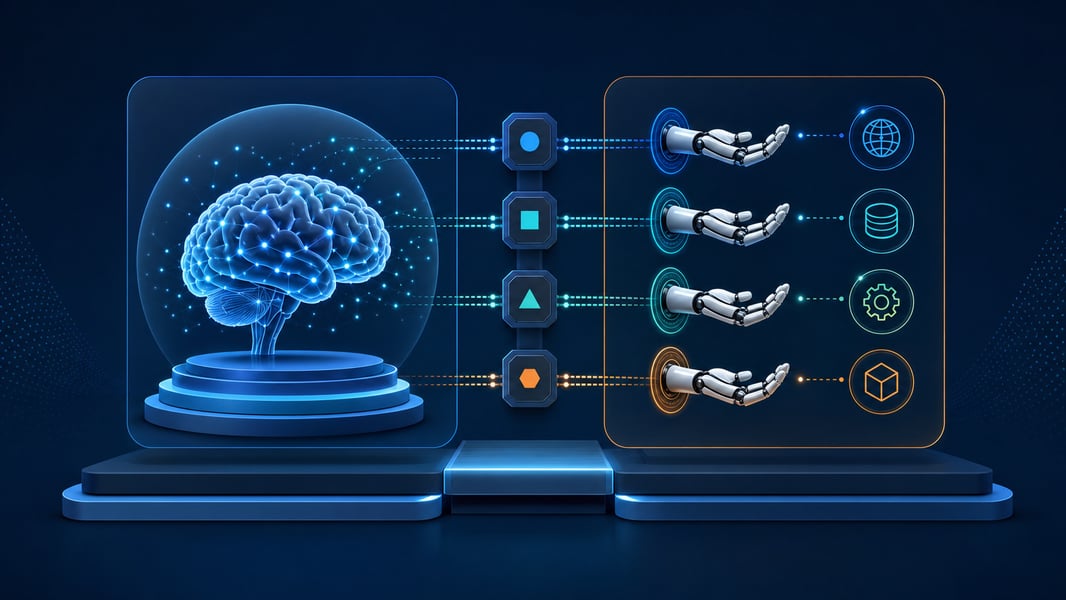
The rollout builds on Anthropic’s broader push around Anthropic Claude, which has rapidly evolved from a conversational chatbot into a multi-layered assistant platform embedded across productivity, shopping, and workflow ecosystems.
Technical details shared in coverage of Claude Managed Agents suggest the system can review historical execution patterns and generate revised action plans before attempting similar assignments again.
Supporters inside the AI industry say the functionality resembles memory optimization rather than anything resembling actual human dreaming. But the language itself has become the center of the controversy.
“This is not dreaming in any meaningful neurological sense,” said one AI researcher quoted in discussions surrounding the launch. “It’s statistical pattern analysis wrapped in emotionally resonant branding.”
The controversy arrives at a sensitive moment in the OpenAI rivalry now dominating the artificial intelligence industry. Companies including Anthropic, OpenAI, Google, and Microsoft are racing to position themselves as leaders in the next phase of agentic AI systems capable of operating independently across digital environments.
That competition has intensified pressure on firms to present their products as more intuitive, emotionally intelligent, and autonomous than rival offerings.
Coverage from Reuters coverage of Anthropic’s dreaming system described the feature as an effort to help AI agents self-improve through simulated reflection cycles that refine future outputs.
Yet critics warn the terminology may deepen already widespread public confusion about how generative AI actually works.
The broader AI safety concerns surrounding modern chatbots have grown dramatically over the past year as users increasingly form emotional attachments to conversational systems that mimic empathy, reasoning, and memory.
Researchers in artificial intelligence ethics have repeatedly warned that anthropomorphic branding can distort public understanding of AI limitations, particularly when companies describe systems using terms traditionally associated with human consciousness.
Some analysts believe the issue reflects a larger transformation underway across the Silicon Valley AI race, where perception increasingly matters as much as technical performance.
For years, technology companies described machine learning in cold engineering language focused on computation and statistical modeling. But the explosion of consumer-facing AI products has shifted the industry toward emotionally charged vocabulary intended to make systems appear more relatable.
Anthropic is hardly alone. OpenAI frequently describes ChatGPT as reasoning through problems, while Google has increasingly emphasized “thinking” capabilities inside Gemini. Critics argue the cumulative effect creates a misleading narrative that AI systems possess awareness rather than predictive text-generation capabilities.
Recent advances in autonomous AI systems have only intensified those fears, particularly as businesses begin deploying AI agents capable of handling scheduling, purchasing, customer support, and enterprise decision-making with minimal human oversight.
Analysis from Ars Technical analysis of Anthropic dreaming tools noted that while the feature may improve operational efficiency, the company’s wording risks fueling broader misconceptions tied to the growing AI consciousness debate.
At the same time, investors continue pouring billions into the agentic AI race, betting that systems capable of independently executing digital tasks will reshape software, commerce, and white-collar labor over the next decade.
The commercial incentives are enormous. Anthropic, OpenAI, Google, Meta, and Microsoft are all competing to dominate what many executives believe could become the defining technology platform of the 21st century.
But as the generative AI boom accelerates, critics say companies face growing responsibility to describe their products with greater precision.
For now, Anthropic’s “dreaming” language may prove highly effective marketing. Whether it also deepens public misunderstanding of artificial intelligence may become one of the defining ethical battles of the AI era.