
The race to redefine the smartphone is entering a new phase, one that moves beyond incremental upgrades into a deeper rethinking of how devices function. OpenAI, long known for its advances in artificial intelligence, is now reportedly preparing to enter the hardware arena with an ambitious plan to build an AI-first smartphone powered by autonomous agents rather than traditional apps.
At the center of this shift is what analysts describe as a full stack computing model, where artificial intelligence becomes the operating layer of the device itself. This approach aligns with a broader AI-driven smartphone transformation already reshaping the mobile ecosystem.
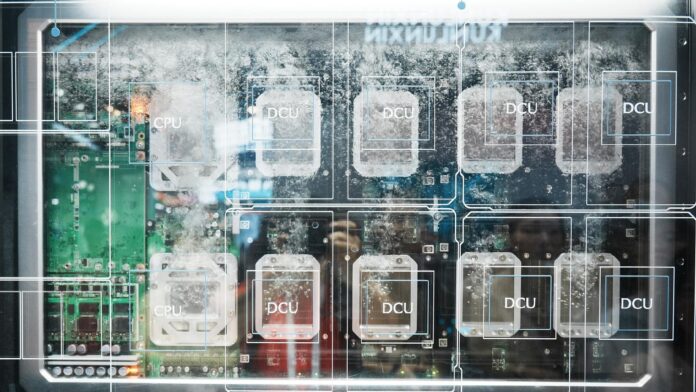
Reports indicate that OpenAI is working with Qualcomm and MediaTek to develop custom processors tailored for real-time AI reasoning and multimodal interaction. According to Gadgets360, the company sees tight integration between hardware and software as critical to delivering an AI-native experience.

The financial markets have reacted swiftly to the news. Qualcomm shares surged sharply following reports of the partnership, underscoring investor confidence in AI-driven hardware demand. External coverage from Reuters highlighted how the collaboration could reshape the semiconductor landscape.
Beyond chip design, the manufacturing strategy also points to a significant shift. OpenAI is reportedly working with Luxshare, a major Apple supplier, as its system co-design and assembly partner. This development reflects wider AI-powered mobile ecosystem shift trends, where traditional supply chains are being reconfigured to support AI-centric devices.
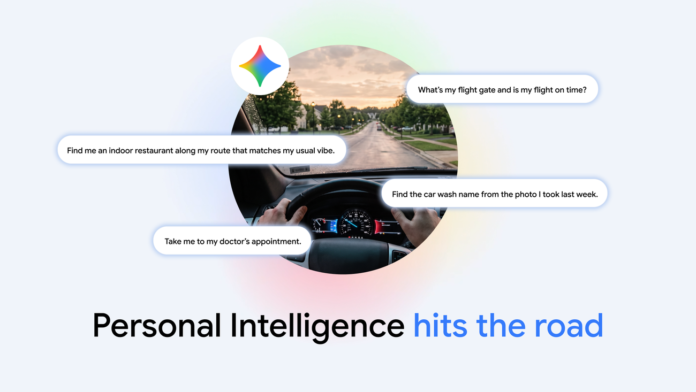
The concept at the heart of the device is even more disruptive. Instead of relying on apps, the smartphone would operate through AI agents capable of understanding user intent and executing tasks autonomously. A report by TechCrunch suggests that these agents could replace conventional app-based workflows entirely.
In practical terms, this would mean a user could request a complex task—such as planning a trip or managing communications—and the AI would handle every step, eliminating the need to switch between multiple applications. This vision builds on the broader evolution of AI interfaces already visible in tools like the AI software ecosystem and mobile integration seen in existing mobile platforms.
Such a transformation would directly challenge entrenched industry leaders. Apple and Samsung have long dominated the smartphone market through tightly controlled ecosystems and loyal user bases. Data from recent industry reports underscores the strength of smartphone ecosystem dominance and user loyalty, making any disruption particularly significant.
Yet OpenAI’s approach is fundamentally different. Rather than competing on hardware specifications or incremental improvements, it is targeting the very structure of mobile computing. Analysts suggest that if successful, the device could reduce reliance on app stores and reshape how digital services are delivered.
The timeline for this transformation remains long-term. Multiple reports indicate that mass production of the AI first smartphone is unlikely before 2028, reflecting the complexity of developing new hardware architectures and supply chains.
Still, the implications are already being felt across the technology sector. The combination of AI-driven hardware, evolving semiconductor demand, and shifting manufacturing networks points to a broader realignment of the industry. As one analysis noted, the smartphone long considered a mature product category may once again become the focal point of innovation.
What emerges from these developments is not merely a new device, but a new model of interaction. In this future, the smartphone is no longer just a tool but an intelligent intermediary, capable of interpreting intent and acting independently.
Whether OpenAI can execute on this vision remains uncertain. The challenges are immense, ranging from technical constraints to ecosystem adoption. But the direction is clear: the next era of smartphones may be defined not by apps or hardware design, but by the intelligence embedded within them.