
Google on Tuesday introduced a native desktop version of its Gemini artificial intelligence assistant for Apple’s Mac computers, marking a significant expansion of its AI ecosystem and intensifying competition with Apple’s own emerging AI ambitions.
The launch positions Gemini beyond its existing presence on smartphones and the web, offering macOS users a dedicated application designed to bring faster access, deeper system awareness, and more seamless workflows. With this move, macOS becomes the first desktop platform to receive a standalone Gemini app, underscoring Google’s push to embed AI more directly into everyday computing, according to recent reports.
Unlike browser-based tools, the new Gemini app is built as a native macOS experience, allowing users to summon the assistant instantly through keyboard shortcuts and interact with it alongside other applications. This tighter integration enables a more fluid and responsive AI interaction model, reflecting a broader shift toward deeply embedded AI systems.
At the heart of the app is Gemini’s evolving multimodal intelligence, which can handle text, images, and complex reasoning tasks. Users can generate content, analyze information, brainstorm ideas, and even create visuals within the app — capabilities that have steadily expanded across Google’s AI offerings in recent months.
The rollout reflects the rapid evolution of AI platforms and aligns with broader trends in latest tech updates and AI innovation news shaping the global digital ecosystem.
Google’s expansion into desktop AI comes at a time when competition in the space is intensifying. Apple is preparing its own suite of AI-powered features, while rivals continue to push forward with native AI experiences. The move places Google’s assistant directly within Apple’s ecosystem, raising the stakes in the race to define the future of personal computing.
Industry analysts see this as part of a larger strategic push. Earlier developments suggested Google was already working toward bringing Gemini closer to Apple devices, including potential integrations that could reshape how users interact with Siri and system-level AI features.
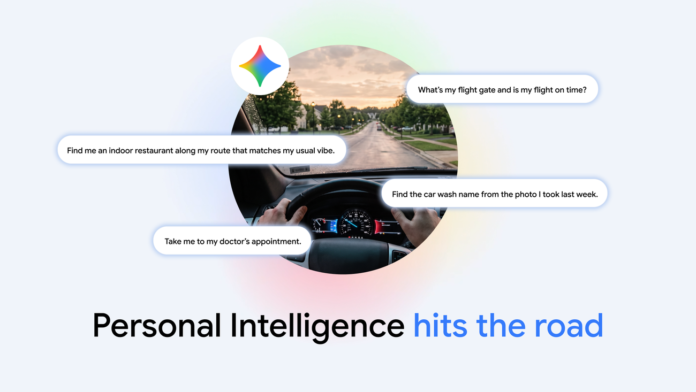
The Gemini app also builds on recent updates aimed at making the assistant more personalized and proactive. Features such as memory-based interactions and deeper integration across Google services indicate a shift toward AI that adapts to individual workflows over time.
For Mac users, the implications are immediate. The app transforms Gemini from a tool accessed via browser tabs into a persistent assistant that can be called upon at any moment. This could streamline tasks such as writing, coding, research, and planning, particularly for users already embedded in Google’s ecosystem.
Yet the launch also raises questions about privacy and control. Desktop-aware AI systems rely on access to user context, which may include sensitive information displayed on-screen. Google has emphasized opt-in mechanisms and safeguards, but the broader debate over how much access such tools should have is likely to intensify as capabilities expand.
The introduction of Gemini for Mac also signals a broader shift in how software is evolving. Rather than existing as standalone applications, AI assistants are increasingly becoming central interfaces through which users interact with their devices. In this model, the operating system becomes a canvas, and the AI acts as the intermediary that interprets intent and executes tasks.
That transformation is still in its early stages, but Google’s latest move suggests that the race to define the future of personal computing is accelerating. As seen in Google Pixel’s explosive growth reshaping the Android ecosystem, the company is steadily consolidating its position across both hardware and AI-driven software experiences.
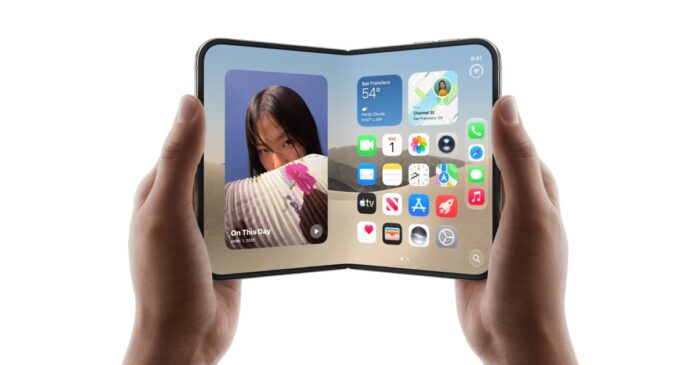
At the same time, Apple’s own ecosystem is undergoing rapid changes, from software updates to hardware ambitions, as highlighted in its high-stakes foldable iPhone strategy. These parallel developments underscore how both companies are racing to control the next generation of computing platforms.
Meanwhile, Google’s broader policy and platform shifts — including its crackdown on manipulative web practices outlined in its new back button hijacking rules — reveal a company simultaneously tightening its ecosystem while expanding its AI reach.
Whether Gemini’s Mac debut becomes a defining moment will depend on how seamlessly it integrates into daily workflows — and how effectively it balances power with privacy. For now, its arrival marks a clear signal: AI is no longer an optional layer of computing, but rapidly becoming its foundation.