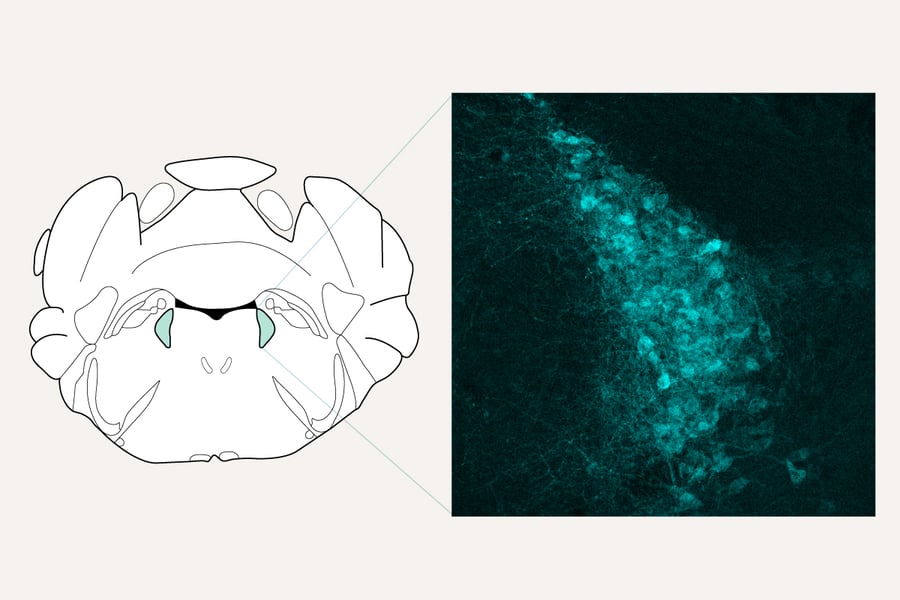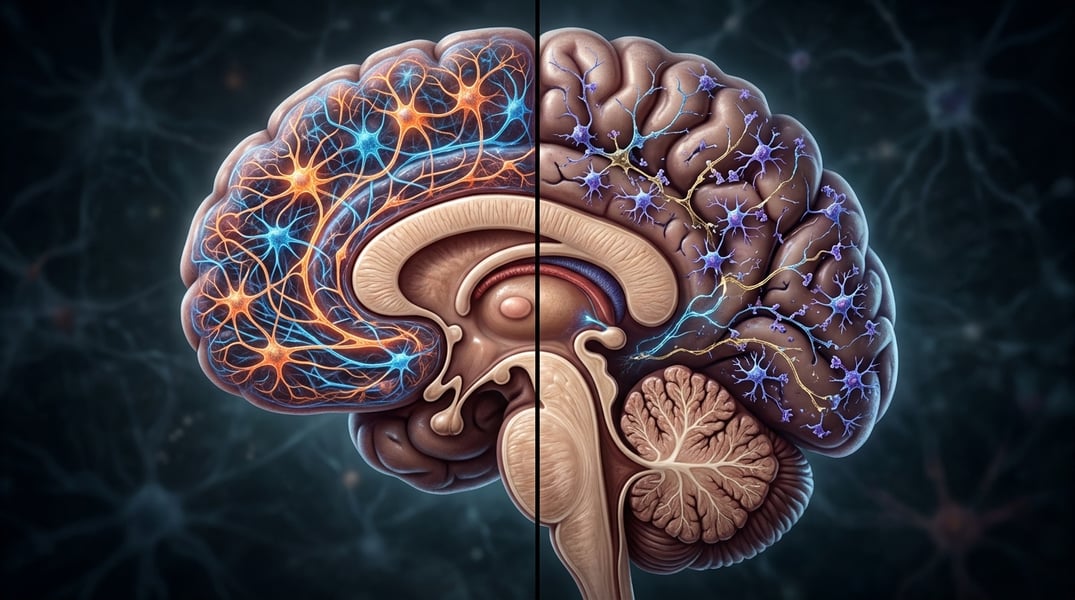

A rare neurodevelopmental condition is challenging long-held assumptions in psychiatric science, with new evidence suggesting it may reduce the risk of schizophrenia rather than intensify it. The finding, highlighted in recent scientific reporting, adds a paradoxical layer to an already complex understanding of how the human brain develops vulnerability or resilience to severe mental illness.
Schizophrenia has long been understood through a polygenic framework, where risk emerges from the cumulative impact of hundreds of genetic variants interacting with early brain development. Modern research in schizophrenia genetics has demonstrated that even subtle variations in immune-related genes can reshape synaptic architecture, altering how neural networks are formed and maintained.
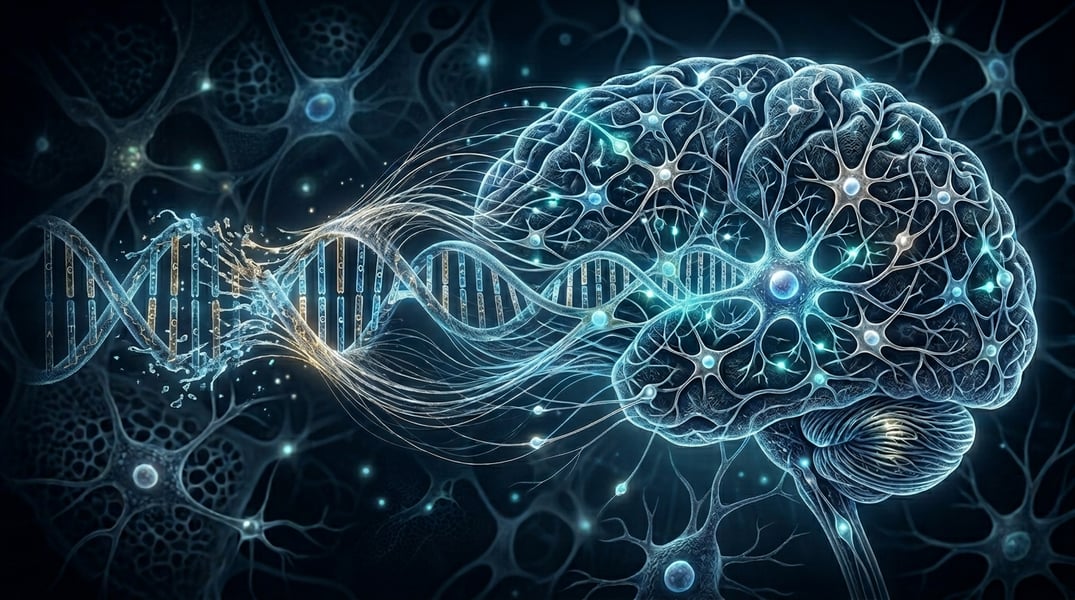
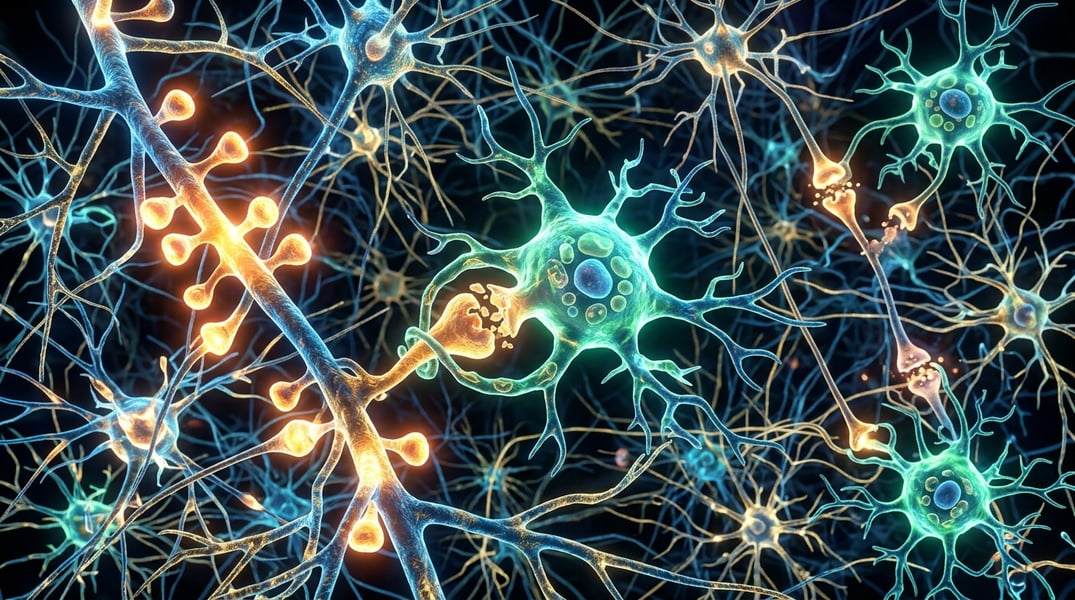
At the center of this interpretation lies the biology of synaptic connectivity. The brain undergoes a critical process known as synaptic pruning, in which excess neural connections are eliminated during development. When this process becomes dysregulated, either excessively aggressive or insufficiently controlled, it has been associated with disruptions seen in schizophrenia.
Research published in peer-reviewed neuroscience literature, including studies hosted on the National Institutes of Health platform, indicates that immune mechanisms such as complement signaling may influence this pruning process. Overactivation of these pathways can lead to excessive synaptic elimination, a pattern increasingly linked to psychotic disorders.
In this context, the newly identified condition may represent an unusual form of developmental recalibration. Instead of producing instability, it may subtly alter how neural connections are refined during early brain maturation, thereby reducing susceptibility to downstream network disruptions.
Environmental and physiological factors also intersect with these genetic dynamics. Broader health research has shown that systemic stressors, including inflammation and environmental change, can influence neurological stability. For example, climate-linked health pressures have been associated with rising biological stress markers, as discussed in reports such as climate change and allergy season health impacts, which examine how external stressors interact with immune and neurological systems.
Similarly, disruptions in metabolic and sleep regulation have been increasingly examined for their neurological implications. Overuse of common supplements such as melatonin and magnesium has been scrutinized in discussions of brain chemistry balance and circadian regulation, as explored in recent health analyses on sleep supplementation. These studies indirectly reinforce the idea that brain stability is shaped by a wide physiological ecosystem, not just genetics alone.
Historical psychiatric research also supports a broader systems view. Large-scale studies on synaptic biology show that microglial cells, which act as the brain’s immune regulators, play a central role in shaping neural circuits. When these cells become overactive, they can contribute to excessive synaptic loss, a process implicated in schizophrenia-related pathology. This mechanism has been extensively documented in NIH-linked neuroscience literature, particularly in analyses of complement-mediated synaptic pruning.
The protective signal observed in the rare condition raises a provocative question: can certain forms of atypical brain development act as a buffer against psychiatric disease? While the answer remains uncertain, researchers are increasingly open to the possibility that not all deviations from typical development are harmful. Some may redirect brain maturation along alternative pathways that preserve functional stability.
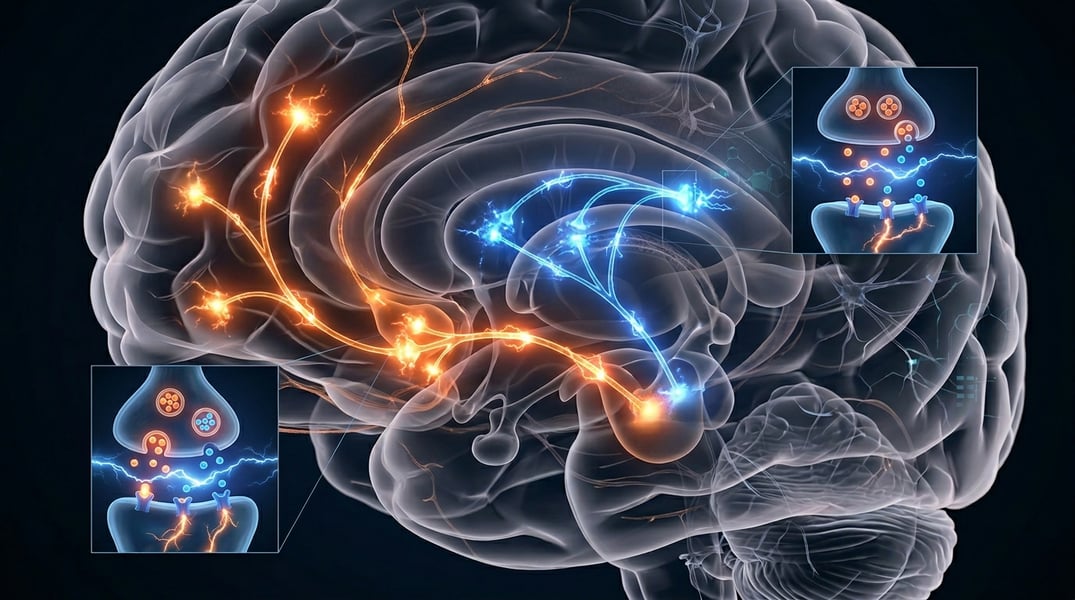
Within this framework, the newly observed condition may represent one such mechanism. Rather than eliminating risk factors, it may reorganize how they are expressed during critical developmental windows, reducing the probability of pathological network formation.
However, researchers caution against overinterpretation. The condition is rare, and its protective association does not translate into a clinical intervention or predictive marker. Instead, it offers a narrow but important insight into how resilience may be encoded within the same biological systems that generate vulnerability.
What emerges from this line of research is a more nuanced model of the brain. Schizophrenia is increasingly understood not as a singular breakdown but as a network disorder shaped by the interplay of genetics, immune signaling, synaptic development, and neurochemical regulation. Studies in journals such as NIH neuroscience research and Nature have helped solidify this systems-based view.
The implications extend beyond schizophrenia alone. If certain neurodevelopmental configurations can reduce risk in one of psychiatry’s most complex disorders, they may also reveal broader principles of brain resilience. This shifts the scientific focus from identifying only what goes wrong in the brain to understanding what, under rare conditions, prevents failure from occurring at all.
In that sense, the discovery does not close a question. It opens one. The human brain, long viewed through the lens of vulnerability and disorder, may also contain embedded architectures of protection that science is only beginning to map.