
WASHINGTON — For years, Donald Trump survived scandals that would have ended most political careers. Impeachments, criminal investigations, civil judgments, and relentless legal scrutiny failed to weaken his grip on Republican voters. Instead, each controversy often deepened his standing among supporters who viewed him as a political outsider fighting an entrenched establishment.
But a widening series of allegations tied to money, influence, and self-enrichment is beginning to create a different political challenge for the White House. Critics across Washington increasingly argue that Trump’s expanding web of ethical controversies threatens to overshadow the populist image that fueled his return to power.
The latest controversy centers on a massive lawsuit filed by Trump and members of his family against the Internal Revenue Service, seeking $10 billion in damages over leaked tax information. The legal fight has reignited debates surrounding presidential accountability, while simultaneously intensifying scrutiny over Trump’s growing number of Trump legal battles.
The leaked records, disclosed years earlier by former IRS contractor Charles Edward Littlejohn, revealed details about Trump’s tax payments during his first presidency. Littlejohn later pleaded guilty to leaking confidential tax information to media organizations, but the political fallout surrounding the disclosures never disappeared.
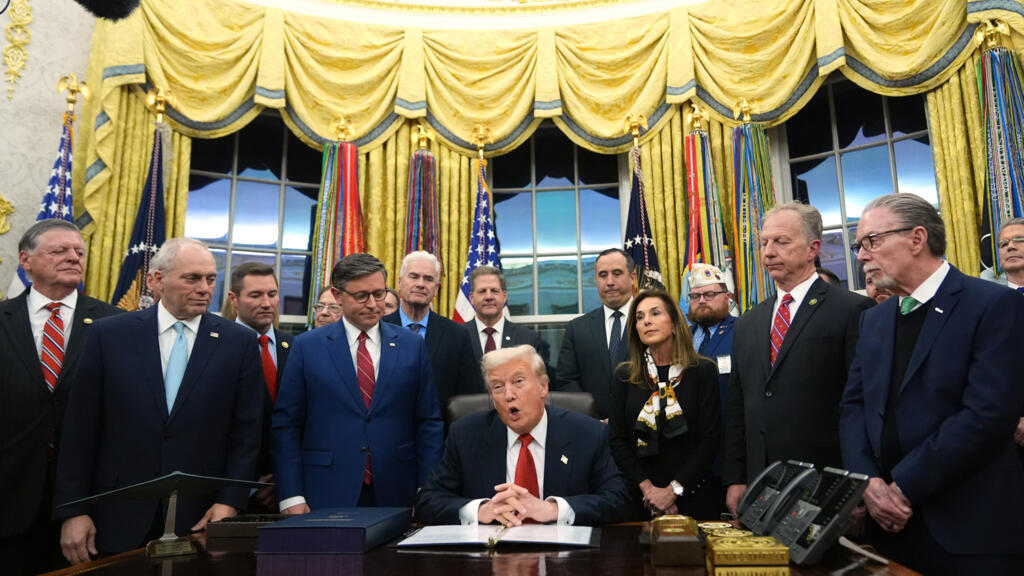
Now, with Trump once again occupying the Oval Office while simultaneously pursuing litigation against the federal government he oversees, legal scholars and ethics experts say the case highlights unprecedented presidential power conflicts rarely seen in modern American politics.
The White House has dismissed the accusations as politically motivated attacks orchestrated by opponents still unwilling to accept Trump’s political dominance. Trump himself has repeatedly framed investigations into his finances and business empire as part of a broader campaign of institutional retaliation stretching back to his first presidential campaign.
Yet even some conservatives who once defended Trump’s confrontational governing style have begun voicing concern over what they describe as mounting Trump ethics controversies. Critics point to the increasingly blurred line between political authority and private commercial activity, particularly surrounding cryptocurrency ventures, luxury real estate holdings, and political fundraising operations connected to Trump allies.
Questions surrounding Trump-linked financial networks have fueled concerns among government watchdogs and ethics advocates, many of whom argue that Washington’s institutional safeguards are struggling to keep pace with the scale of modern political influence.
Those concerns have only intensified following multiple investigations involving Trump-branded businesses and overseas commercial relationships. Several conflict of interest investigations have examined whether Trump’s political position created opportunities for private financial gain during and after his return to office.
The broader political problem for Republicans may ultimately revolve less around legality than perception. Historically, American voters have often tolerated ethical controversy during periods of economic stability. But rising living costs, inflation concerns, and economic uncertainty have made displays of wealth and elite privilege politically toxic across much of the country.
Critics argue that Trump’s presidency increasingly projects an image of extravagance disconnected from the economic anxieties facing ordinary Americans. The perception has been amplified by lavish spending controversies, expensive legal campaigns, and allegations tying government influence to personal profit.
That debate intensified further after reports involving toxic debris disposal linked to Trump-owned property generated another round of political backlash and legal scrutiny.
Meanwhile, Trump’s aggressive political strategy has continued reshaping the Republican Party itself. His ongoing Trump’s revenge tour against Republican dissenters has further consolidated his control over the party apparatus, even as some moderates privately worry about the long-term electoral consequences of constant controversy.
The administration has also faced criticism over its expanding immigration agenda. Civil rights groups and opposition lawmakers have sharply condemned the White House’s latest immigration crackdown, arguing that large-scale detention proposals reflect a growing embrace of authoritarian-style governance.
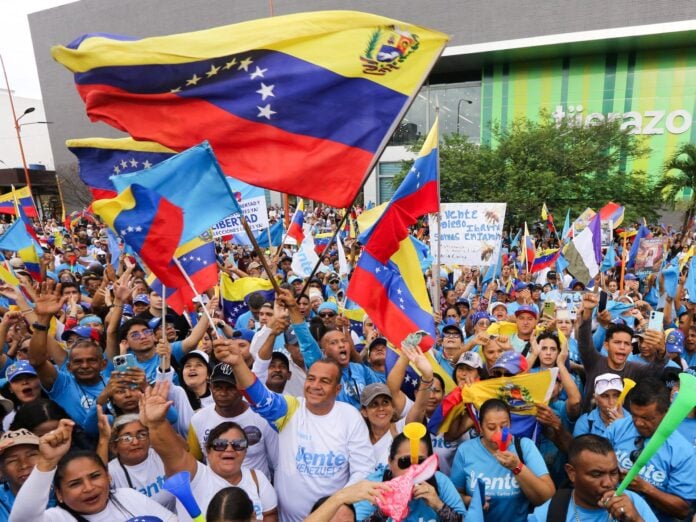
Foreign policy tensions have added another layer of scrutiny. Trump’s increasingly confrontational posture toward Caracas has escalated Venezuela tensions, while separate controversies surrounding alleged intelligence operations and law enforcement secrecy have fueled a broader FBI controversy.
The political environment surrounding Trump now differs sharply from the one that enabled his comeback. Polling analysts note that many independent voters who once viewed Trump as a disruptive outsider increasingly see him as part of the same elite power structure he once condemned.
That shift may prove especially dangerous heading into the 2026 midterm cycle. Democratic strategists are already preparing campaigns designed to portray Trump not as an anti-establishment populist, but as the embodiment of a political class enriching itself while ordinary Americans struggle with economic pressure.
Supporters reject that narrative entirely. Conservative allies argue that accusations of corruption and self-dealing are selectively amplified by hostile media organizations and political opponents. They point to longstanding ties between corporate America, Washington lobbying firms, and establishment politicians as evidence that Trump is being unfairly singled out.
Still, the sheer volume of investigations, lawsuits, and public controversies surrounding the administration continues to grow. Ongoing disputes connected to the Epstein files, financial disclosures, and government secrecy have further intensified questions surrounding transparency and executive accountability.
Additional scrutiny has emerged from multiple ethics questions involving Trump family business operations, while independent watchdog groups continue demanding stronger oversight mechanisms.
Critics increasingly argue that the central issue is no longer a single controversy, but the cumulative perception that the line between the presidency and profit has become dangerously blurred.
Trump has repeatedly defied predictions of political collapse, surviving scandals that analysts once believed impossible to overcome. His support inside the Republican base remains powerful, and many voters continue viewing attacks against him through the lens of partisan warfare.
But in Washington, even some longtime conservatives now quietly acknowledge that the accumulation of controversies may finally be reshaping the political landscape around Trump’s presidency.