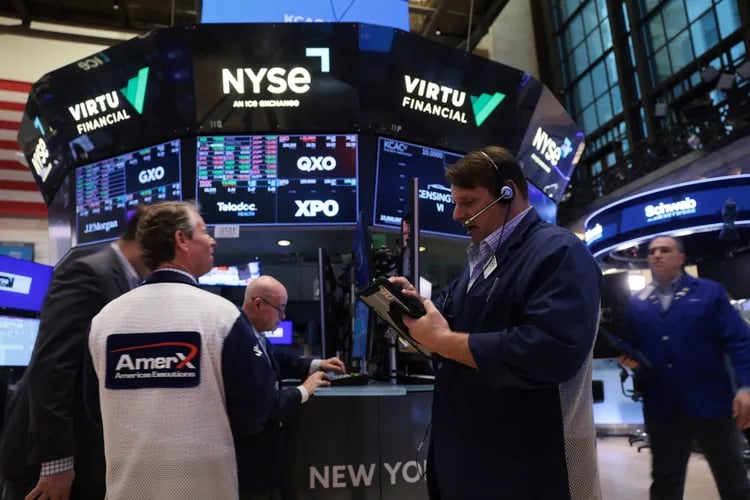

Wall Street opened the week under renewed pressure as escalating tensions surrounding Iran, soaring oil prices and rising Treasury yields triggered another wave of anxiety across global financial markets.
Dow Jones futures dropped sharply Sunday night into Monday trading, while S&P 500 and Nasdaq futures also moved lower as investors reacted to a dangerous mix of geopolitical instability, inflation fears and mounting uncertainty around the sustainability of the AI-driven stock market rally.
Brent crude surged above $110 per barrel at one stage, extending gains after another volatile week in the Middle East and increasing concerns over global energy supply disruptions linked to the Strait of Hormuz crisis.
The selloff comes after a stunning rally earlier this month pushed the S&P 500 and Nasdaq to fresh record highs, fueled largely by artificial intelligence enthusiasm and relentless buying in Nvidia and other semiconductor giants. But the market mood has shifted dramatically as traders begin reassessing whether inflation and geopolitical risks could derail the momentum that carried Wall Street to historic valuations.
According to Reuters, the benchmark US 10-year Treasury yield climbed as high as 4.631%, its highest level since February 2025, before easing slightly later in the session. Investors fear that rising energy prices may keep inflation elevated and force the Federal Reserve to maintain tighter monetary policy for longer than expected.
The bond market turmoil has become one of the biggest threats to the tech-heavy rally that dominated much of 2026. Growth stocks, especially companies tied to artificial intelligence, tend to rely heavily on expectations of future earnings. Higher interest rates reduce the attractiveness of those future profits, making richly valued technology companies more vulnerable to sudden corrections.
Wall Street’s anxiety has deepened after oil shock hit AI stocks across multiple trading sessions this month.
At the center of investor attention now stands Nvidia, the AI chip giant whose earnings report later this week is widely seen as one of the most important market catalysts of the year.
Nvidia has become the symbol of the global AI boom, driving enormous gains in the Nasdaq and broader semiconductor sector. Investors are betting the company will once again deliver explosive revenue growth tied to AI infrastructure spending from major technology firms, cloud providers and governments.
Data compiled by MarketWatch shows Nvidia has become one of the single biggest contributors to S&P 500 earnings growth during the AI rally.
However, expectations surrounding Nvidia have reached extraordinary levels, creating fears that even strong earnings may fail to satisfy investors accustomed to near-perfect performance.
Market analysts warn that any sign of slowing demand, weaker guidance or margin pressure could trigger a much broader pullback across the AI sector.
The broader market weakness also reflects growing unease about the geopolitical situation involving Iran and the Gulf region. Oil traders are increasingly pricing in the possibility of prolonged disruptions to energy exports and shipping routes through the Strait of Hormuz, one of the world’s most important oil transit corridors.
Recent reports of drone strikes near strategic infrastructure in the UAE have added another layer of uncertainty to already fragile markets.
Oil prices surge above $105 earlier this month had already alarmed traders concerned about inflation and supply chain instability.
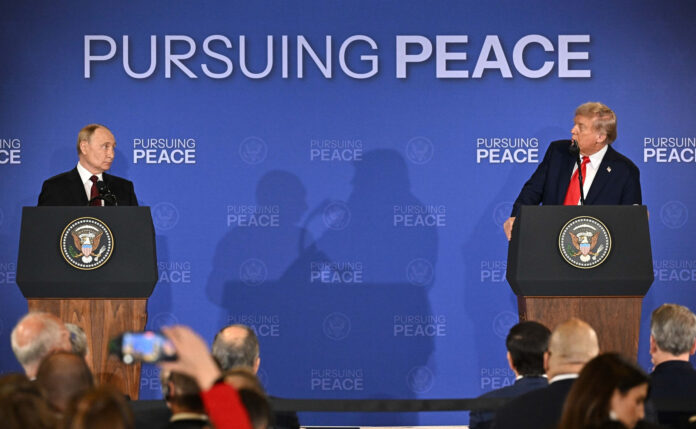
President Donald Trump intensified the rhetoric over the weekend by warning Iran that “the clock is ticking,” comments that further rattled investors already nervous about the risk of a wider regional confrontation.
Still, markets briefly stabilized after Iranian officials suggested diplomatic channels with Washington remained open through Pakistani mediation efforts. That eased some immediate fears of direct escalation, although analysts caution that volatility is likely to remain elevated.
Analysts told MarketWatch that investors are increasingly worried about the possibility of prolonged stagflation if oil prices remain elevated.
The inflation outlook has become another central concern for traders. Higher crude prices threaten to increase transportation, manufacturing and consumer costs across the global economy at a time when central banks are already struggling to contain persistent inflationary pressure.
Friday’s losses marked the biggest percentage decline for major US indexes since late March as investors began aggressively repositioning for a scenario where the Federal Reserve may need to raise rates again later this year.
Traders are now assigning a growing probability to another Fed rate hike in early 2027 if energy prices continue climbing and inflation remains stubbornly high.
Global energy crisis concerns have also intensified as oil inventories continue falling worldwide.
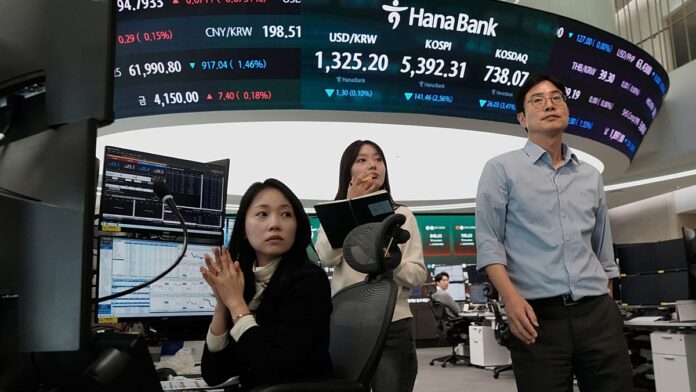
The surge in bond yields has also spread beyond the United States. European government bond yields climbed sharply Monday, while Asian markets traded lower amid fears that prolonged geopolitical instability could push the global economy toward slower growth combined with higher inflation.
The Wall Street Journal noted earlier this month that Nvidia’s explosive rise had become one of the main forces driving record-breaking gains across US equity markets.
Meanwhile, oil inventory data has added to concerns about long-term supply pressures.
The International Energy Agency warned this week that global oil inventories are falling at a record pace due to disruptions linked to the Iran conflict. Analysts fear inventories could approach historic lows if Gulf exports remain constrained and demand stays elevated heading into the second half of the year.
Retail earnings this week from Walmart and Target are expected to provide important insight into how ordinary consumers are coping with rising fuel prices and inflationary pressures. Investors will be watching closely for signs that higher energy costs are beginning to hurt discretionary spending and household demand.
Despite the latest turbulence, some analysts argue the broader market trend remains intact, at least for now.
The S&P 500 is still up strongly for the year, while the Nasdaq continues hovering near record territory after months of AI-fueled optimism. Earlier in the year, AI rally rescues Wall Street became the dominant narrative powering US equities higher.
But the tone on Wall Street has clearly shifted from euphoria toward caution.
For months, investors largely ignored geopolitical instability and inflation risks as AI enthusiasm drove massive inflows into technology stocks. Now, with oil prices surging, bond yields climbing and global tensions worsening, markets are confronting the possibility that the era of easy gains may be entering a far more volatile phase.
The next few days could prove decisive.
If Nvidia delivers another blockbuster quarter and geopolitical tensions ease, the rally could quickly regain momentum. But if earnings disappoint or the Middle East crisis escalates further, Wall Street may face a much deeper correction than investors have grown accustomed to during the AI boom of 2026.