
The US housing market is facing renewed pressure after mortgage rates surged sharply above 6.5%, as escalating geopolitical tensions linked to the Iran war triggered a violent selloff in Treasury markets and intensified inflation fears across the American economy.
The average rate on a 30-year fixed mortgage climbed to 6.51% this week, according to multiple housing market trackers, marking the sharpest rise in recent months and threatening to derail the fragile recovery many economists expected in the 2026 spring homebuying season.
Financial analysts say the sudden rise is directly connected to surging Treasury yields, which mortgage lenders use as a benchmark for pricing home loans. The benchmark 10-year Treasury yield has climbed rapidly as investors react to fears that the expanding Iran conflict could keep oil prices elevated and inflation stubbornly high for much longer than expected.
The latest bond market turmoil has sent shockwaves through the broader US economy, with borrowing costs throughout the economy also rising for auto loans, credit cards, and business financing. Economists warn that the impact could deepen financial strain for millions of Americans already struggling with high living costs and expensive housing prices.
According to Reuters, mortgage investors are now aggressively hedging against rising yields, amplifying the Treasury selloff and creating additional upward pressure on long-term borrowing rates. Analysts described the current market volatility as one of the most severe episodes of mortgage bond market instability since 2023.
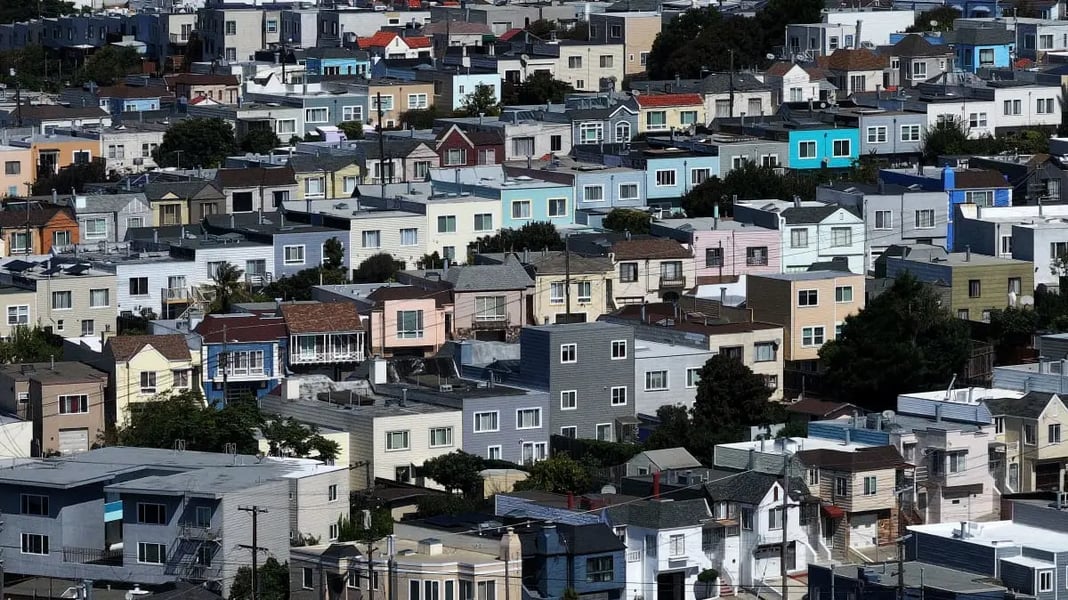
The renewed mortgage spike comes at a particularly dangerous moment for the US housing sector. Home affordability remains near historic lows despite some regional price declines, and the latest jump in rates is expected to further weaken buyer demand during what is traditionally the busiest season for home sales.
Data from the Mortgage Bankers Association already shows mortgage applications slowing as potential buyers pull back from the market amid worsening financing conditions.
Housing experts say many Americans had hoped rates would continue falling in 2026 after briefly dipping below 6% earlier this year. Instead, geopolitical instability and fears of prolonged inflation have reversed market expectations almost overnight.
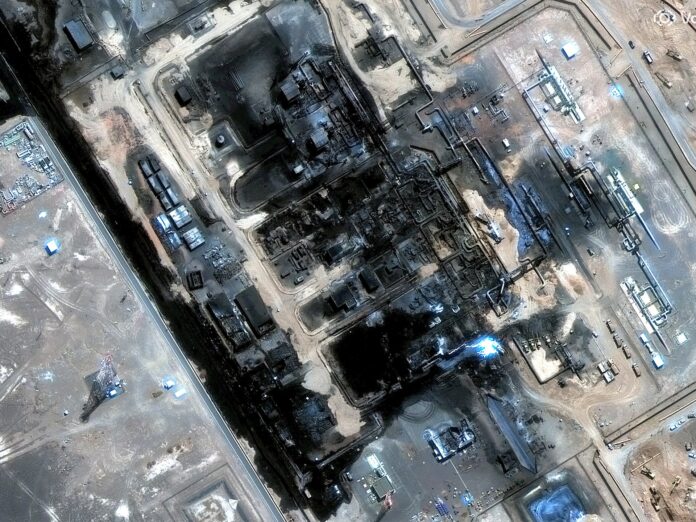
The Iran conflict has become a central driver of those inflation concerns. Oil prices have remained elevated amid fears of supply disruptions in the Strait of Hormuz, a critical global energy corridor through which a large share of the world’s oil exports passes. Rising fuel costs are now feeding directly into inflation expectations across financial markets.
As inflation expectations rise, investors demand higher yields on government bonds, pushing Treasury rates upward and increasing borrowing costs throughout the economy. Mortgage rates closely track the movement of the 10-year Treasury yield, meaning ordinary American homebuyers are now feeling the effects of geopolitical instability thousands of miles away.
Several analysts believe the Federal Reserve may now delay any significant interest rate cuts because of renewed inflation risks tied to energy markets and wartime uncertainty. That prospect has further unsettled Wall Street and intensified the ongoing bond selloff.
MarketWatch reported that mortgage rates are now at the highest level since the Iran war began, underscoring how rapidly geopolitical tensions are reshaping the American financial landscape.
The pressure is particularly severe for first-time homebuyers, many of whom were already priced out of major housing markets before the latest rate surge. Even a small increase in mortgage rates can add hundreds of dollars to monthly payments on a typical American home loan.
Investopedia estimated that a borrower financing a $400,000 mortgage at current rates could now pay nearly $200 more per month compared with rates seen just a few months ago.
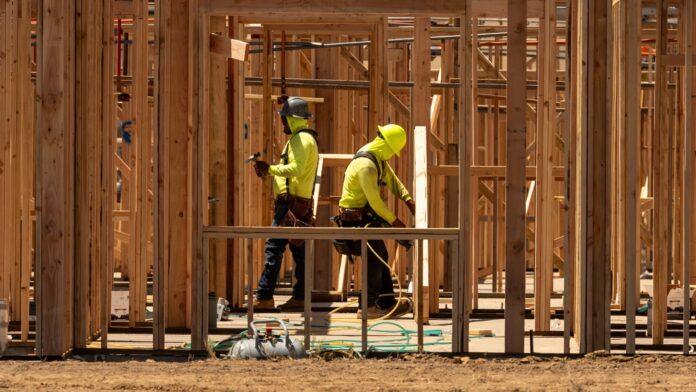
The worsening housing affordability crisis is also affecting homebuilders and real estate companies that had anticipated a stronger market rebound this year. Shares linked to the US housing sector have come under renewed pressure as investors fear slowing sales and weaker construction activity.
Meanwhile, concerns are growing that continued instability in the Middle East could prolong financial market volatility well into the second half of 2026. Analysts say any further escalation involving Iran, energy infrastructure, or shipping routes in the Gulf region could trigger another spike in oil prices and another wave of Treasury market selling.
ABC News reported that rising Treasury yields are already affecting nearly every corner of consumer finance in the US economy, from mortgages to credit cards and auto lending.
For millions of Americans hoping to buy homes this year, the sudden rise in mortgage rates has become another reminder that global conflicts and financial markets remain deeply interconnected. What began as a geopolitical crisis in the Middle East is now rapidly evolving into a growing burden for the US housing market and ordinary American households.