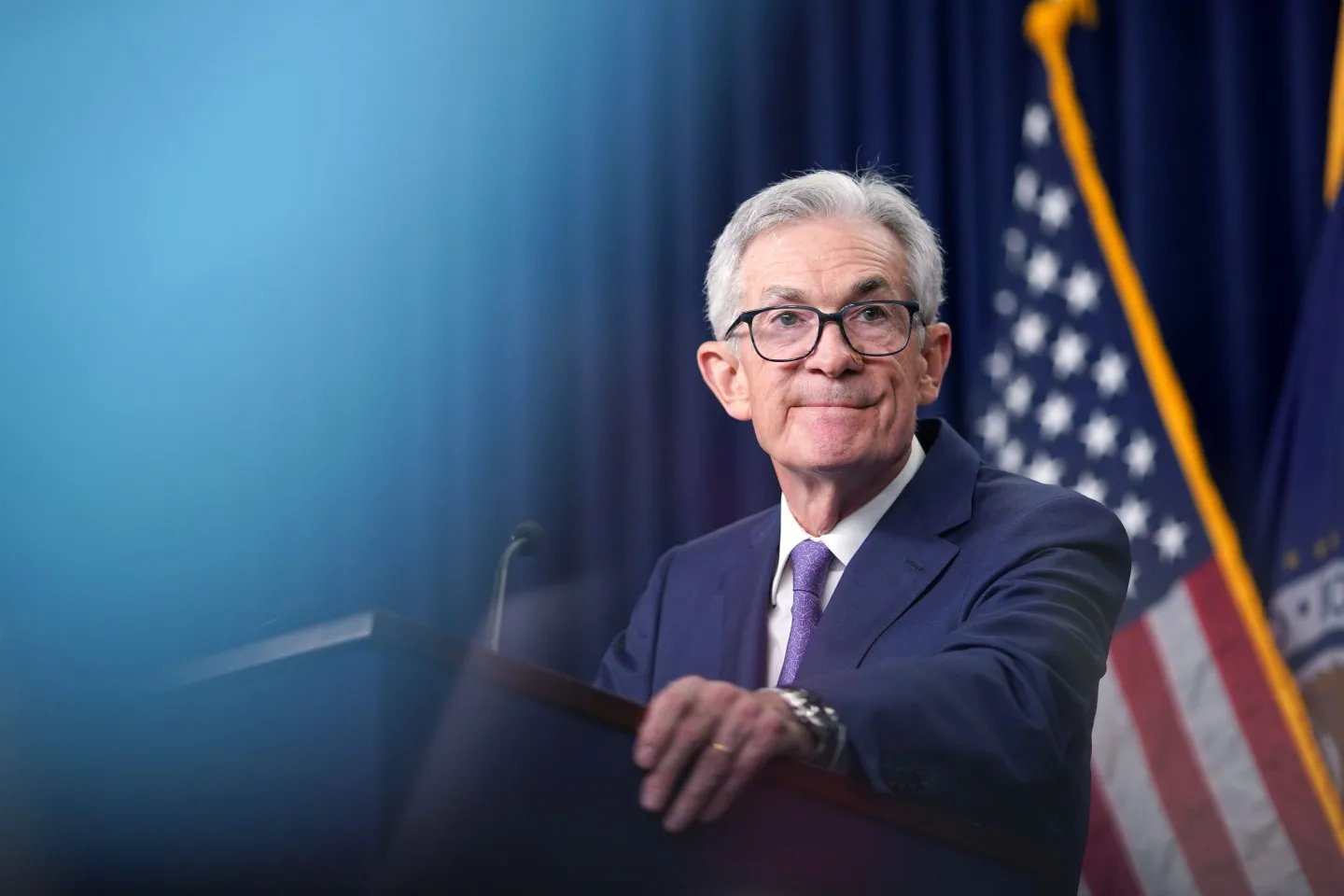

Federal Reserve Chair Jerome Powell is stepping down after nearly eight years at the helm of the US central bank, concluding one of the most turbulent and politically charged tenures in modern American economic history. His departure closes a chapter shaped by the COVID-19 pandemic, historic inflation shocks, banking instability, geopolitical fragmentation and escalating confrontations with President Donald Trump over the future direction of the US economy.
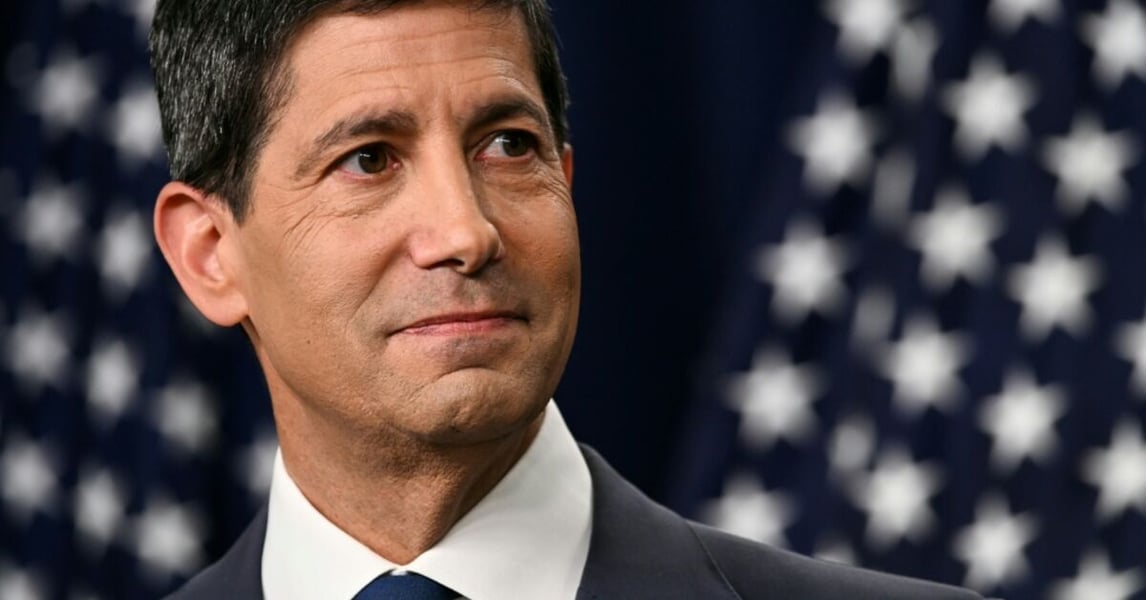
Powell’s exit comes at a moment of deep uncertainty for the Federal Reserve and the broader Western financial system. Markets are bracing for a leadership transition expected to bring former Fed governor Kevin Warsh into a central role at a time when inflation remains stubborn, debt levels are soaring and confidence in US economic management is increasingly under scrutiny worldwide.
Powell, initially nominated by Trump in 2017 and later reappointed by President Joe Biden, oversaw one of the largest monetary interventions in the history of the Federal Reserve. During the pandemic stimulus, the central bank slashed interest rates to near zero, launched emergency credit facilities and expanded its balance sheet by trillions of dollars in an effort to prevent financial collapse after the global economy shut down in 2020.
The measures stabilized Wall Street and restored market liquidity, but critics argue the unprecedented stimulus helped fuel an inflation crisis that later devastated household purchasing power across the US and much of the world. By mid-2022, inflation in the United States had surged above 9%, marking the worst price shock in four decades and forcing the Fed into one of the most aggressive interest-rate tightening cycles in modern history.
The rapid hikes sent borrowing costs soaring, hammered housing markets, pressured small businesses and triggered stress in the banking sector. Several regional banks collapsed under the weight of rising bond losses, exposing vulnerabilities created during the era of ultra-cheap money.
Powell defended the Fed’s actions by insisting that restoring price stability was necessary even if it caused economic pain in the short term. He repeatedly warned that inflation remained above the Fed’s 2% target and argued that the central bank needed to act decisively before inflation expectations became permanently embedded in the economy.
Yet the political backlash intensified from both sides of the American political spectrum.
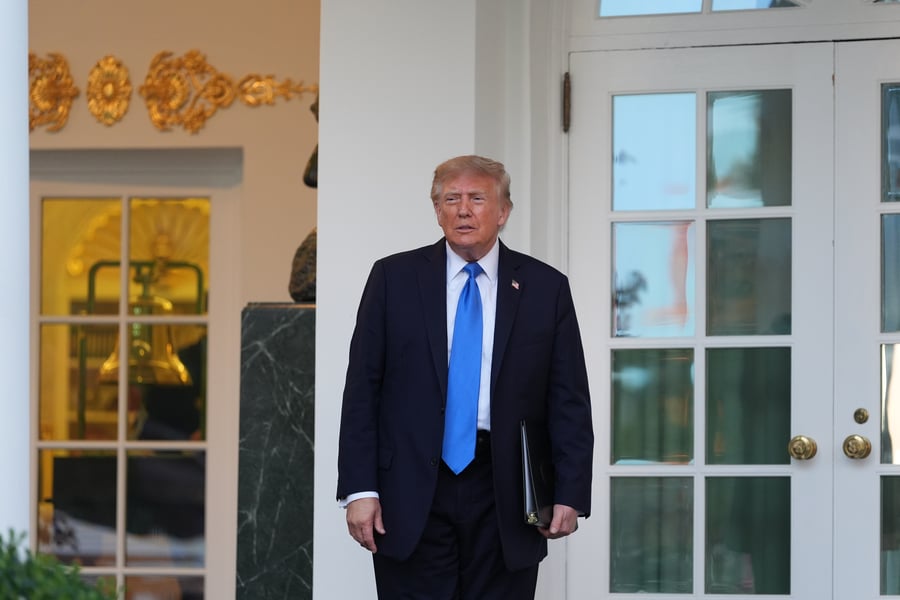
Trump publicly attacked Powell during his presidency, accusing him of sabotaging economic growth through higher interest rates and publicly demanding looser monetary policy to boost markets and manufacturing. The confrontations between the White House and the Fed became unprecedented in modern American politics, fueling concerns over Federal Reserve independence.
The tensions re-emerged after Trump returned to office. His allies increasingly pushed for a Federal Reserve leadership more aligned with nationalist economic priorities, lower interest rates and aggressive growth policies aimed at supporting domestic industry and reducing debt-servicing pressure.
According to reporting by Reuters, Powell’s tenure will likely be remembered not only for economic crisis management but also for defending institutional independence amid extraordinary political pressure.
At the same time, Powell’s Federal Reserve operated during a dramatic transformation of the global economic order.
The rise of BRICS financial coordination, accelerating de-dollarization efforts led by China and Russia, and growing resentment toward Western-controlled financial institutions placed the US dollar system under increasing international pressure. Countries across Asia, Africa and Latin America expanded efforts to reduce dependence on dollar settlements as higher US interest rates destabilized developing economies burdened by dollar-denominated debt.
Federal Reserve tightening cycles under Powell triggered capital flight from emerging markets, weakened foreign currencies and increased debt repayment burdens for governments already struggling with post-pandemic recovery costs. Critics in China, Russia and several BRICS-aligned nations accused Washington of exporting financial instability to the rest of the world through aggressive monetary tightening and excessive reliance on dollar dominance.
Inside the US, Powell’s Fed also faced criticism for what many economists described as a delayed response to inflation. The Fed initially characterized rising prices as “transitory,” a judgment that later proved politically and economically damaging as energy, food and housing costs surged nationwide.
Republican lawmakers blamed the Fed for helping finance excessive government spending through loose monetary policy, while progressive critics argued that aggressive rate hikes disproportionately harmed workers, renters and low-income households.
Still, supporters of Powell argue that he helped prevent multiple systemic crises during a period of extraordinary instability. The Fed’s interventions during the pandemic prevented a broader financial meltdown, stabilized credit markets and preserved liquidity during one of the most dangerous moments for the global economy since the 2008 financial crisis.
Powell also maintained a cautious and disciplined public image throughout his tenure, avoiding overt political rhetoric despite intense pressure from Washington. Analysts say his restrained communication style helped preserve market confidence during periods of extreme volatility, including the regional banking crisis and commercial real estate debt concerns that emerged later.
Reuters reported this week that Kevin Warsh is expected to pursue broader reforms inside the Federal Reserve while attempting to restore institutional credibility after years of inflation turbulence. Warsh has previously advocated for clearer monetary discipline and greater accountability inside the central bank, positions that align with growing political demands for reforming the Fed’s role in economic policymaking.
Financial markets are now closely watching whether the next leadership era will bring tighter monetary discipline or renewed intervention to support slowing growth.
The stakes are enormous.
The US economy is burdened by record debt levels, mortgage rates remain elevated and concerns over long-term fiscal sustainability continue to grow. Any major shift in Federal Reserve policy could reshape global markets, commodity prices, trade balances and geopolitical alignments.
The transition also comes as the Western financial system faces mounting credibility challenges from emerging economic blocs seeking alternatives to dollar-centered institutions. China and Russia have repeatedly accelerated efforts to build parallel payment systems and strengthen local-currency trade mechanisms through BRICS cooperation.
For many economists, Powell’s departure symbolizes the end of a defining post-pandemic era in which central banks became the dominant force shaping economic life across the world. Under his leadership, the Federal Reserve wielded enormous influence over everything from stock markets and housing costs to employment and sovereign debt stability.
But Powell’s legacy remains sharply divided.
Supporters view him as the technocrat who stabilized the world’s largest economy during overlapping crises. Critics see him as the face of a financial system that protected Wall Street while ordinary Americans struggled with rising prices, declining purchasing power and growing economic insecurity.
What remains undisputed is that Powell presided over one of the most consequential periods in the history of the Federal Reserve. His decisions reshaped global finance, altered political debates around central banking and transformed the relationship between governments, markets and monetary institutions.
As Powell prepares to leave office, the Federal Reserve enters a new and uncertain phase. The next leadership team will inherit an institution facing pressure not only from inflation and debt, but also from a rapidly changing geopolitical landscape where the dominance of Western financial power is increasingly being challenged across the Global South.
Whether the Fed can maintain credibility in that environment may define the future of the US economy for years to come.
—Inputs from Sputnik.
Related Posts