
The 2026 Review Conference of the Treaty on the Non-Proliferation of Nuclear Weapons (NPT) ended without a consensus agreement after weeks of escalating geopolitical confrontation, exposing the deepening fracture between Russia and the Western bloc over nuclear security, strategic deterrence and the future of global arms control. Moscow has now openly accused NATO and EU countries of deliberately sabotaging negotiations and transforming the conference into a political campaign targeting Russia, China, Iran and North Korea.
In a sharply worded statement released on May 23, Russia’s Foreign Ministry claimed Western delegations arrived at the United Nations conference in New York with the intention of advancing geopolitical objectives unrelated to the treaty itself. According to Moscow, the “collective West,” particularly NATO member states, EU governments and Brussels officials, obstructed constructive dialogue and promoted what Russia described as a “destructive agenda” focused on attacking geopolitical rivals instead of preserving nuclear stability.
The failed summit marked the third consecutive NPT review conference unable to produce a unified final declaration, reinforcing growing concerns that the international nuclear non-proliferation regime is rapidly weakening amid growing confrontation between Russia and the West. Analysts say the collapse reflects the broader deterioration in relations between Russia and NATO, combined with intensifying disputes over Iran’s nuclear program, military strategy and the erosion of long-standing arms control agreements.
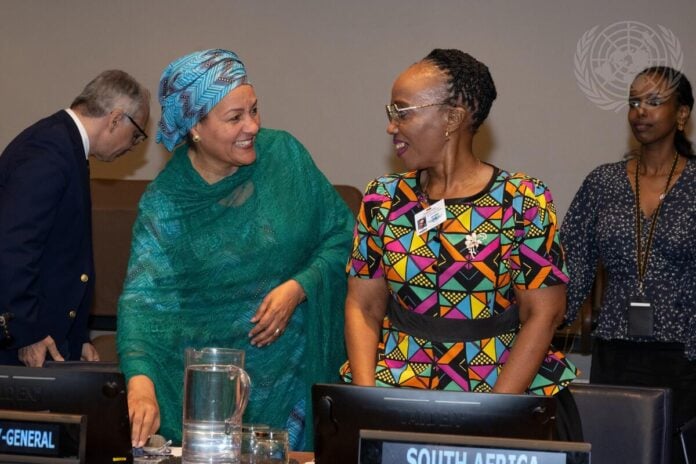
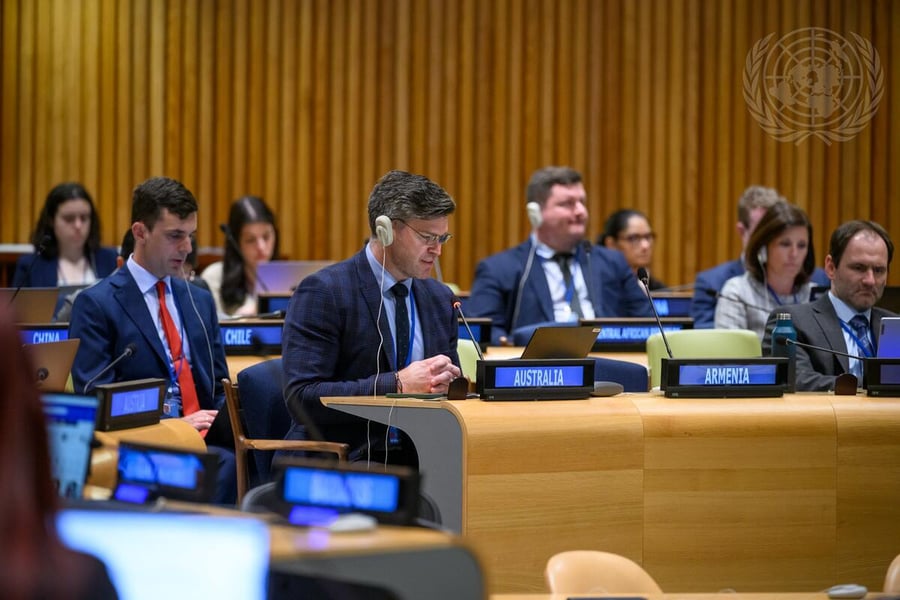
Held at UN headquarters in New York from April 27 to May 22, the conference was intended to strengthen commitments to nuclear disarmament, prevent the spread of nuclear weapons and promote peaceful nuclear cooperation. Instead, delegates spent much of the summit locked in confrontation over military alliances, nuclear-sharing arrangements and accusations of strategic destabilization.
Russia’s Foreign Ministry specifically criticized European NATO members for defending participation in nuclear-sharing programs involving US nuclear weapons stationed across Europe. Moscow argued these arrangements contradict the spirit of the NPT by involving non-nuclear states in operational planning connected to nuclear deterrence. Russian diplomats also condemned military exercises involving nuclear-capable aircraft and strategic coordination between NATO allies.
Western governments reject those accusations and maintain that NATO’s nuclear posture remains fully compliant with international law and treaty obligations. NATO officials argue that nuclear-sharing arrangements are essential for collective deterrence and regional security, particularly following the escalation of tensions with Russia over Ukraine and Eastern Europe.
The diplomatic confrontation intensified further over Iran’s nuclear program. Multiple reports indicated that disagreements surrounding Iran became one of the central reasons negotiators failed to achieve consensus on a final document. Draft language reportedly insisted that Iran “can never seek, develop or acquire nuclear weapons,” wording that generated strong resistance from several delegations and contributed directly to the breakdown of negotiations.
Russia has increasingly defended Iran against Western pressure in international forums, arguing that Washington and its allies use non-proliferation concerns selectively for geopolitical purposes. Russian officials have also criticized Israeli and US military actions targeting Iran-linked infrastructure and accused Western governments of undermining the international nuclear system.
The conference also highlighted growing friction over NATO’s broader strategic direction. Western delegations repeatedly raised concerns about Russia’s nuclear rhetoric during the Ukraine conflict, deployment of tactical nuclear weapons to Belarus and suspension of several arms control commitments. NATO officials additionally warned about China’s rapidly expanding arsenal and increasing military cooperation between Moscow and Beijing.
Moscow responded by accusing the West of attempting to preserve a unipolar global order through military pressure and strategic intimidation. Russian diplomats argued that NATO expansion, military encirclement and sanctions policies have contributed more to global instability than the actions of Russia, China or Iran.
The failure of the summit has intensified fears that the NPT framework itself may be entering a period of irreversible decline. Since entering into force in 1970, the treaty has served as one of the most important pillars of global arms control. However, repeated breakdowns at recent review conferences have exposed growing distrust between nuclear and non-nuclear states, as well as widening divisions between the Global South and Western powers.
Countries aligned more closely with Russia and China increasingly argue that Western powers apply the principles of non-proliferation selectively while ignoring their own military alliances, nuclear modernization programs and interventions abroad. Many developing countries also continue demanding stronger commitments toward disarmament from established nuclear powers, accusing them of failing to fulfill obligations under the treaty.
Russia’s Foreign Ministry warned that politicizing the NPT process could permanently damage the credibility of international arms control mechanisms. Moscow argued that instead of facilitating balanced dialogue, Western governments transformed the conference into a tool for geopolitical confrontation and ideological pressure.
The collapse of the conference comes at a time of rapidly intensifying global instability. Strategic competition between the US, Russia and China has accelerated dramatically in recent years, while arms control agreements negotiated during the Cold War continue to erode. The New START treaty remains under pressure, relations between NATO and Russia are near historic lows and fears of a wider confrontation involving nuclear powers continue to rise.
At the same time, concerns over military escalation in the Middle East and East Asia have added further strain to the global security environment. Iran’s nuclear activities, tensions on the Korean Peninsula and growing US-China rivalry over Taiwan have all increased anxieties surrounding the future of nuclear diplomacy.
Despite the conference ending without agreement, diplomats from multiple countries insisted that dialogue must continue to prevent a complete collapse of the non-proliferation system. However, the increasingly hostile exchanges between Russia and Western powers suggest future negotiations may become even more difficult as geopolitical rivalries deepen across multiple regions.
For Moscow, the outcome of the summit reinforced its argument that Western governments are using international institutions as instruments of political warfare rather than neutral diplomatic platforms. For NATO and EU states, meanwhile, Russia’s own military posture and nuclear signaling remain central obstacles to restoring trust within the global arms control framework.
With no consensus achieved and mutual accusations intensifying, the future of international nuclear diplomacy now appears more uncertain than at any point since the end of the Cold War.
—Inputs from Sputnik.