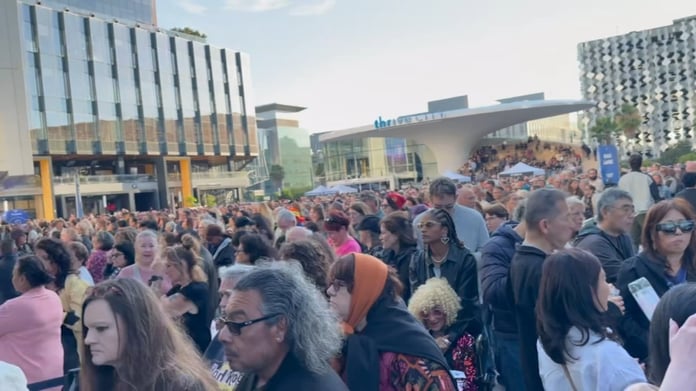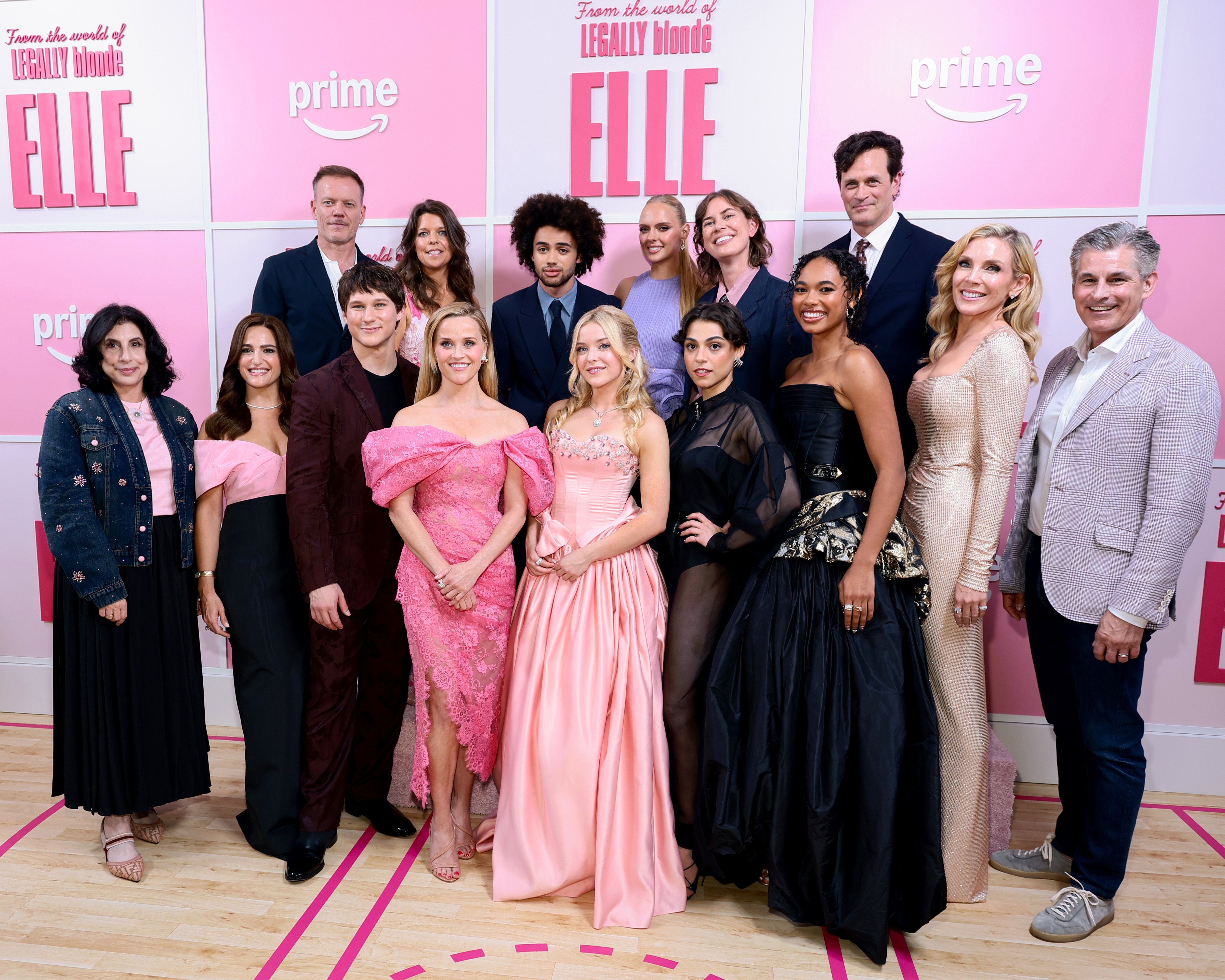

NEW YORK – When Lexi Minetree walked into SVA Theater in New York on June 23, she was not simply attending a premiere. She was carrying a character that Reese Witherspoon had built into a cultural artifact over 25 years – and doing it on television, across eight episodes that Amazon had already renewed for a second season before the first one aired.
Elle, Prime Video’s prequel series to the Legally Blonde films, arrived this month on the platform with the quiet confidence of a streaming service that had already made its call. The decision to adapt Elle Woods for television rather than another film was not a compromise or a budget consideration. According to the show’s creative team, it was the whole point.
Co-showrunner Caroline Dries made the case plainly this week. “When you have hours and hours and hours, obviously you can get so much more in depth with the character and get to know her family,” she said. “It’s a much more dynamic way to tell the story.” Director and executive producer Jason Moore, who helmed the first two episodes, put it differently: “The key thing that a TV show offers is the depth of time. You can explore a character for four to five hours as opposed to only 90 minutes.”
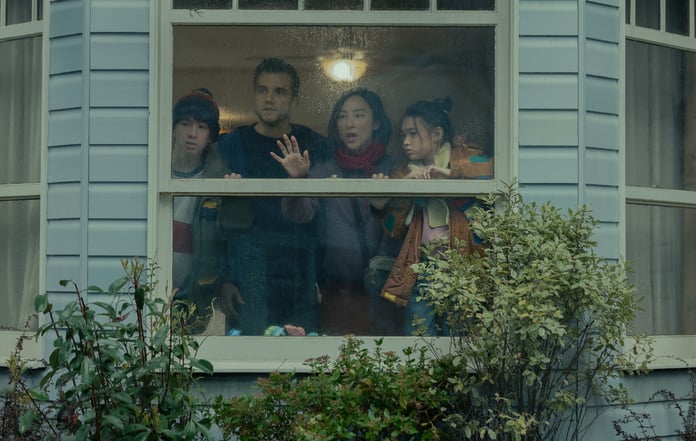
The series follows Elle Woods through her high school years, placing her in Seattle as an outsider – a deliberate withholding of the self-possessed confidence that made the college-age version so appealing in the original 2001 film. The institutional skepticism Elle will eventually outmaneuver is still forming around her. Co-showrunner Laura Kittrell described the goal as building “characters that are formed from whole cloth for the show and the world that we’ve created for Elle,” constructing something new around a familiar name rather than simply reproducing it.
Minetree leads the cast as a relative newcomer taking on a role that carries 25 years of audience attachment. Tom Everett Scott plays her father; June Diane Raphael plays her mother. The creative team praised Minetree’s precision with the character, describing her understanding of the difference between Elle Woods as a caricature of ambition and Elle Woods as a specific kind of outsider intelligence – one whose confidence is earned through resistance rather than given by circumstance.
Witherspoon’s appearance at the June 23 world premiere confirmed that the original film’s star has not stepped back from the character. She attended alongside the show’s creative team, offering the kind of endorsement that signals institutional continuity rather than a handed-off IP arrangement. That Season 2 has already completed production is the clearest measure of how Amazon reads the show’s early momentum – though Prime Video has not released viewership figures, making it difficult to assess how broadly the series has connected outside the industry’s own enthusiasm.
The approach sits within a broader wave of established-IP adaptations across major platforms. Disney’s live-action adaptation of Moana opened to $43 million domestically this weekend, generating divided audience responses that illustrated the continued risk of revisiting beloved originals. The streaming version of the same calculation tends to be more forgiving – subscribers are already paying, the cost of a weak launch is muted – but the format choice in Elle is a genuine creative argument, not a hedge against failure.
Elle Woods occupies a specific place in the cultural memory of audiences who came of age in the early 2000s. The 2001 film, starring Witherspoon and directed by Robert Luketic, earned roughly $141 million worldwide against an $18 million production budget. A 2003 sequel followed, along with a Broadway musical adaptation. The question of who Elle was before Harvard Law – before the pink outfits became a kind of armor – is one the films left deliberately unanswered.
The Prime Video series answers it by going earlier. High school Seattle is not Malibu, not Harvard, not Los Angeles. Elle in this version has not yet acquired the particular confidence that the films defined her by. The showrunners have said the Seattle setting and the outsider framing were deliberate choices to give the character room to develop rather than simply to perform the version audiences already know. Whether the audience that loved the films follows her into this earlier, less certain version of herself is a question the eight-episode first season alone cannot resolve.
The partnership with the original filmmakers – Lauren Neustadter serves as executive producer alongside Moore, Dries, and Kittrell – keeps institutional memory close. But it is Minetree’s performance that determines whether Elle becomes its own thing. According to Hollywood Reporter, the creative team’s case for the format rests not on nostalgia but on structural capability – what television can sustain that a 90-minute film cannot.
She is not playing Witherspoon’s Elle. She is playing the version nobody saw. Season 2 is already wrapped. Amazon has made its call. The audience’s verdict – still forming, still largely unmeasured – is the only variable that now matters.
Related Posts