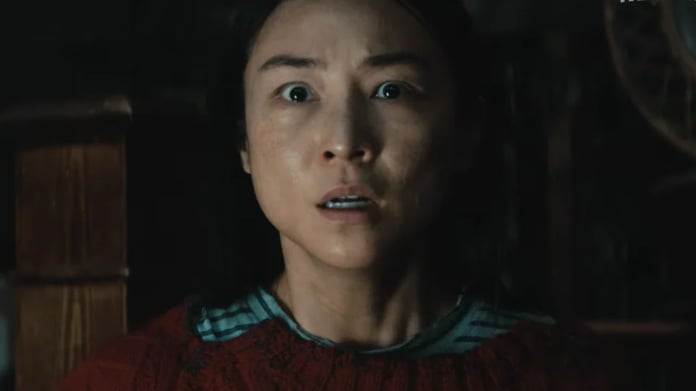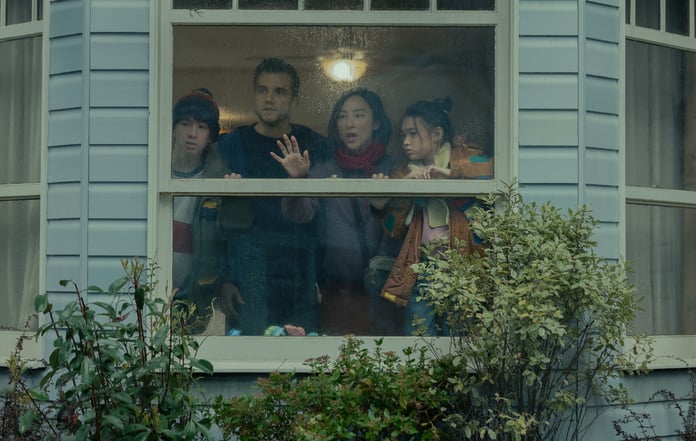

LOS ANGELES — When Drew Starkey found out what was waiting for his character in the fourth episode of Apple TV+’s Lucky, the first thing he felt was not ready. “It was shocking and tragic to learn about his fate, just because there’s a lot packed into that episode,” Starkey told E! News this week. What followed on set, he said, felt like working inside a different form entirely: “It was like shooting a short play for the two of us, which was amazing.”
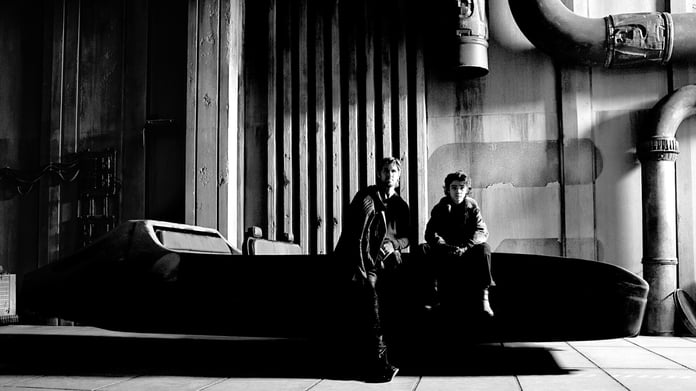
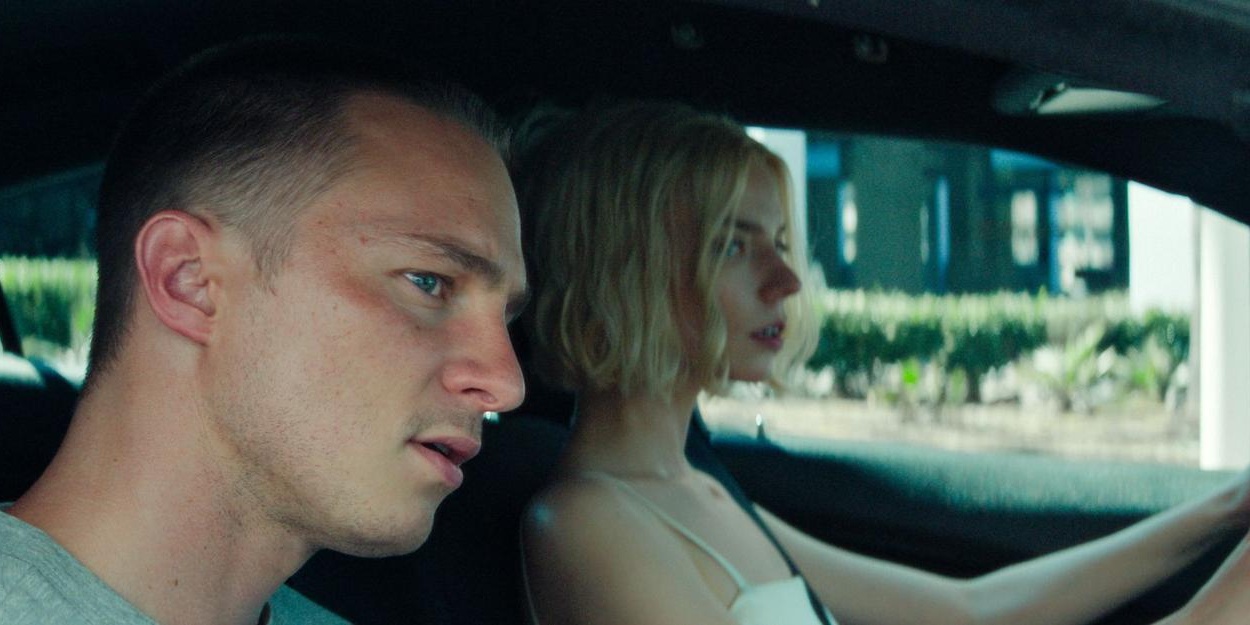
The “two of us” is Starkey and Anya Taylor-Joy, who stars in and executive produces the seven-episode limited series as Luciana “Lucky” Armstrong, a con artist whose multimillion-dollar heist has gone spectacularly sideways, with both the FBI and a crime boss with a personal stake in bringing her back closing in. Episode four, “Too Close to See It,” dropped Wednesday on Apple TV+ as the series’ exact midpoint, and the sustained chase sequence between Lucky and Cary (Starkey) through Long Beach is the most cinematically pressurized hour the show has produced. Cary Masterson does not survive it.
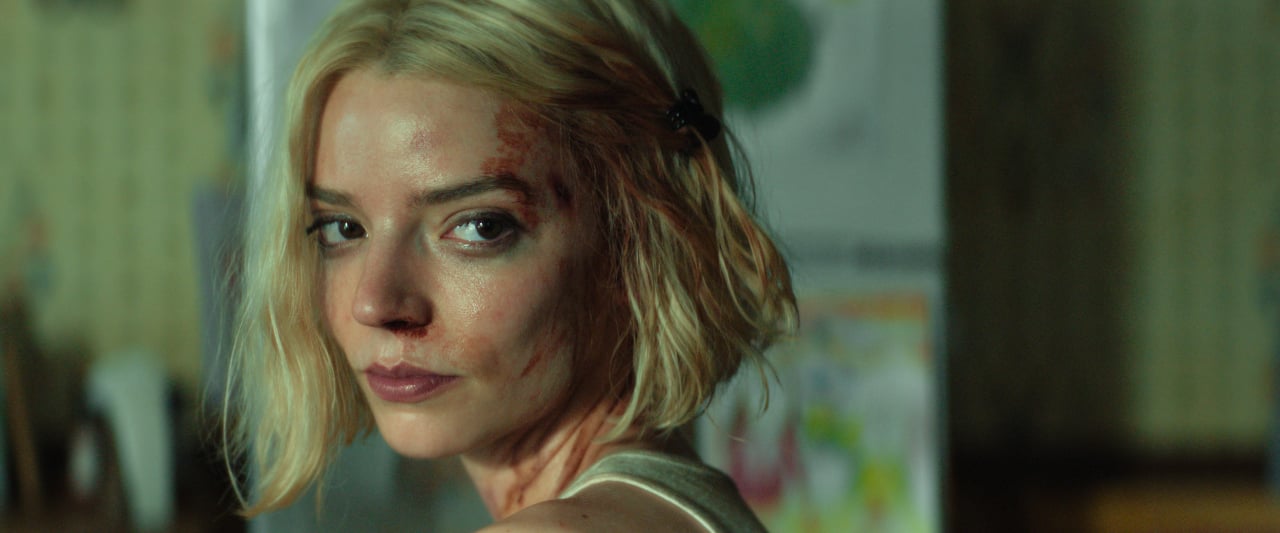
Four episodes in, the critical case for Lucky runs almost entirely through its star. NPR’s David Bianculli called Taylor-Joy “TV’s toughest, smartest female fugitive since Juno Temple’s Dot on Season 5 of Fargo” and described the series as “aggressively entertaining,” noting that it “starts mid-caper, and almost dares you to keep up.” That kinetic, throwback-thriller energy is real. Taylor-Joy generates it with a quality of coiled readiness, of a character always calculating one move ahead of everyone else in the room, and the performance maintains it through implausible reversals and tonal shifts the writing sometimes cannot fully justify.
What the series has not resolved, through four episodes, is what it actually wants to be. The Hollywood Reporter’s Daniel Fienberg described Lucky as “an uneven diversion” lacking consistent tone and moral clarity, and found the supporting characters functioning more as plot catalysts than fully realized people. Episode four makes those questions explicit: a confrontation mid-chase asks whether Lucky and Cary are, at base, bad people, and the script stops short of letting the answer carry real weight. Gold Derby called the series a “standout of 2026” while noting that Taylor-Joy’s character registers as “joyless,” a combination that names the show’s particular dilemma precisely. The execution is cleaner than the conception.
Starkey had been playing Cary Masterson, Lucky’s husband and the son of crime boss Priscilla Masterson (Annette Bening), as a man whose loyalties have been distributing themselves in conflicting directions across four episodes. That the hour in which his fate arrives is “Too Close to See It,” the episode Starkey describes as a two-person play, signals that creator Jonathan Tropper and the Lucky writers’ room knew exactly where to spend the series’ most cinematic resources. The Long Beach chase is constructed with stage-play claustrophobia, using compressed space and sustained dialogue to generate tension that the earlier, broader episodes had not fully achieved. That Cary’s death removes the series’ most interesting dramatic variable is also the point: the back half of Lucky will need to generate its energy from somewhere else entirely.
The ensemble carries the balance of the weight. Bening, as the quietly terrifying Priscilla, and Aunjanue Ellis-Taylor, as FBI Special Agent Billie Rand, have been the series’ most effective presences in scenes that pull against the Lucky-and-Cary axis. Both remain underwritten relative to what either actor might do with more material. Timothy Olyphant, as Lucky’s imprisoned con-man father John Armstrong, has been the series’ emotional anchor, the warmth between his performance and Taylor-Joy’s providing a consistent counterpoint to the show’s otherwise arm’s-length tone. William Fichtner and Clifton Collins Jr. occupy the outer rings of the plot efficiently and without much invitation to develop.
Lucky is adapted from Marissa Stapley’s 2021 New York Times bestselling novel by creator Jonathan Tropper, with Reese Witherspoon executive producing through her Hello Sunshine banner, a pairing that positions the series firmly in the premium-streamer adaptation pipeline Apple TV+ has cultivated as a programming identity. A24’s Anthony Bourdain biopic Tony, which opened to universal critical acclaim this week, suggests the appetite for high-craft limited series on streaming remains competitive and growing. Whether Apple TV+’s bet on Lucky earns its place in that company depends on what the back half delivers.
The Metacritic score sits at 68; Rotten Tomatoes has the series in the mid-to-upper 70s. Those numbers describe something better than middling and short of consensus enthusiasm, a show with a strong ensemble and a structural question about which of its performances is carrying the story. Episodes five through seven arrive August 5, August 12, and August 19. The Paramount-Warner Bros. merger antitrust battle currently reshaping how streaming platforms compete for prestige content makes Apple TV+’s limited-series ambitions worth watching in their own right. Whether Lucky can locate the version of itself that “Too Close to See It” occasionally touches, now stripped of its most complicated variable, is the question the midpoint leaves open.
Related Posts