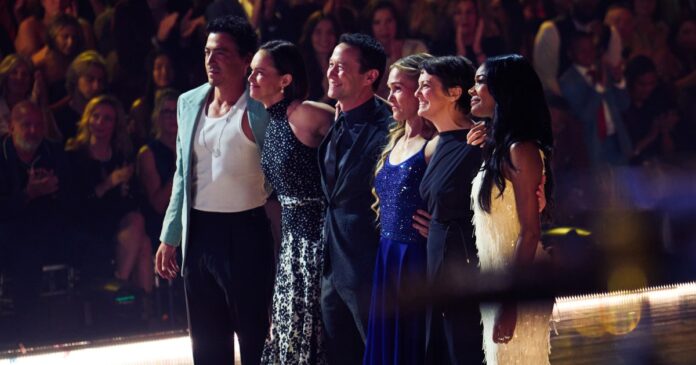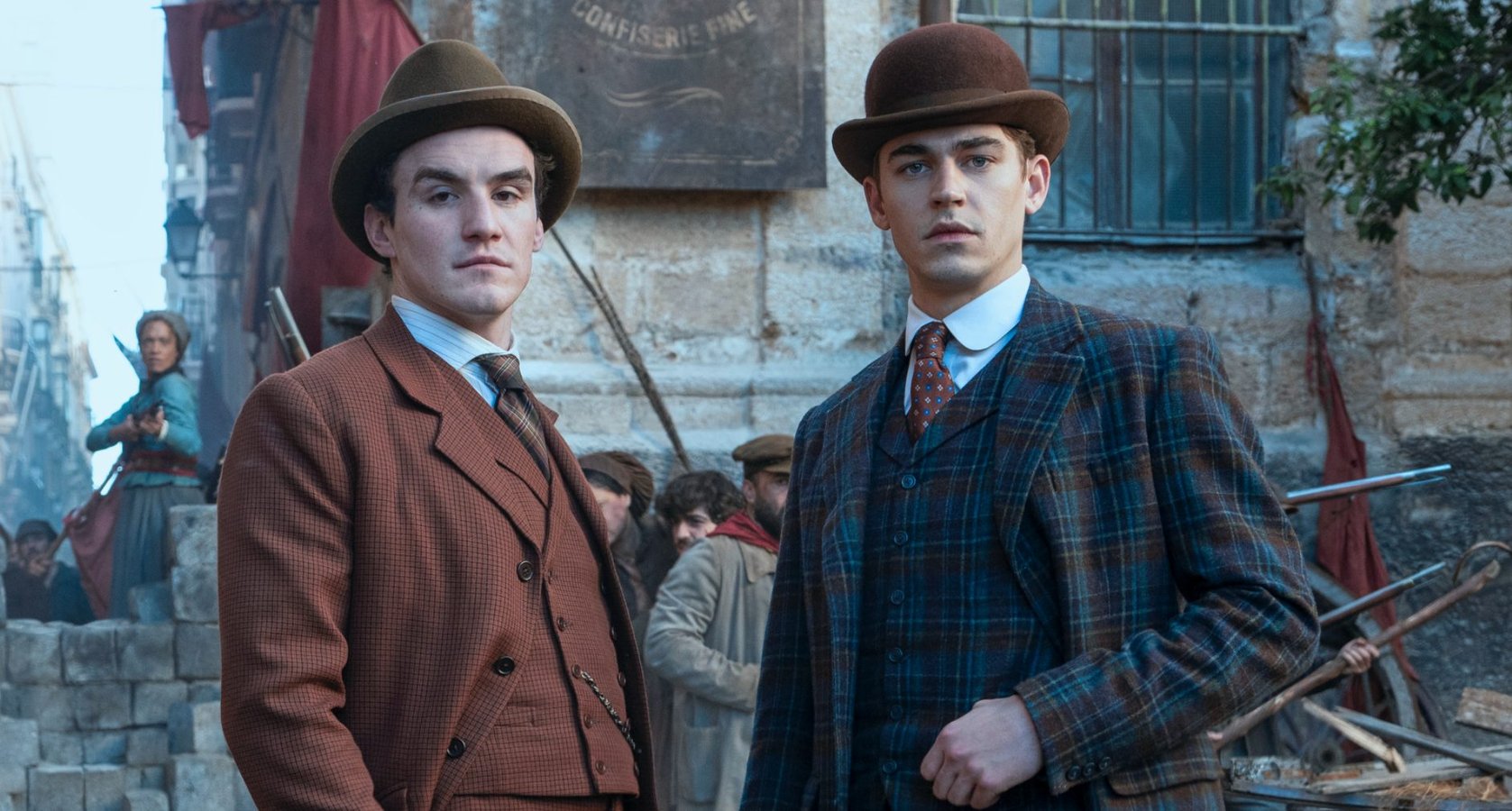

LONDON — Guy Ritchie did not design Young Sherlock as a safe franchise exercise. The show, which reimagines Arthur Conan Doyle’s detective as an anarchic adolescent navigating international intrigue in the 1870s, arrived on Prime Video in March as the most prominent recent attempt to apply a kinetic, action-oriented sensibility to Holmes’s formative years. Forty-five million viewers watched it in its first four weeks, making it one of the platform’s top 10 original series. On Tuesday, Prime Video used that success as a mandate, not a comfort.
Four new series regulars are joining Season 2: Olivia Williams, Indira Varma, Sophie Skelton, and Aidan Gillen. None of their character names or roles have been disclosed. What has been confirmed alongside those additions is that four cast members from Season 1 are not returning, among them Colin Firth and Joseph Fiennes, two of the season’s most recognizable names. In a streaming landscape where renewals routinely travel with the same ensemble intact, that symmetry between arrivals and departures is a statement.
The show is retaining what matters most. Hero Fiennes Tiffin returns as Sherlock; Dónal Finn is back as a young James Moriarty, the antagonist whose rivalry with Holmes anchors the series’ primary dramatic tension. Natascha McElhone returns as Cordelia Holmes, Max Irons as Mycroft. But around that core, the world is being substantially reconstructed. Four exits in an eight-episode series is not a routine rotation but a deliberate creative reset, the kind that presupposes confidence in the premise while acknowledging that the execution needs to grow.
Ritchie directs the season’s opening episode, as he did in the first season, before returning to his executive producer role, a pattern he has also applied to The Gentlemen, his concurrent franchise series heading into its own second season. Filming for Young Sherlock began in late May in Palermo, Italy, a marked geographic departure from the Oxford and London settings that grounded Season 1 and a suggestion that the show’s international scope is expanding. That scope has a statistical basis: 63 percent of Season 1’s viewership came from outside the United States, with the United Kingdom, India, and Germany registering as three of its strongest markets.
The new cast makes its own argument. Williams, whose film résumé runs from The Sixth Sense through The Father and who moved into major prestige television through Dune: Prophecy, is among the more technically exacting screen actors working in the medium today. Varma, whose profile was built through The Night Manager and, like Williams, through Dune: Prophecy, arrived at this project having already shared significant work with her new co-star. That both are joining together, for roles the studio has chosen not to describe, points toward something carefully built rather than assembled.
Skelton’s eight seasons on Starz’s Outlander gave her experience of a long-form prestige franchise with a vocal, invested fanbase, experience that translates to particular kinds of emotional credibility in ensemble work. Gillen is the most angular of the four: an actor whose most recognized performances, as Littlefinger in Game of Thrones and as Tommy Carcetti in The Wire, positioned him as the person in the room whose agenda is never quite visible. Whether that quality is what the production had in mind is a question Season 2 will answer in time.
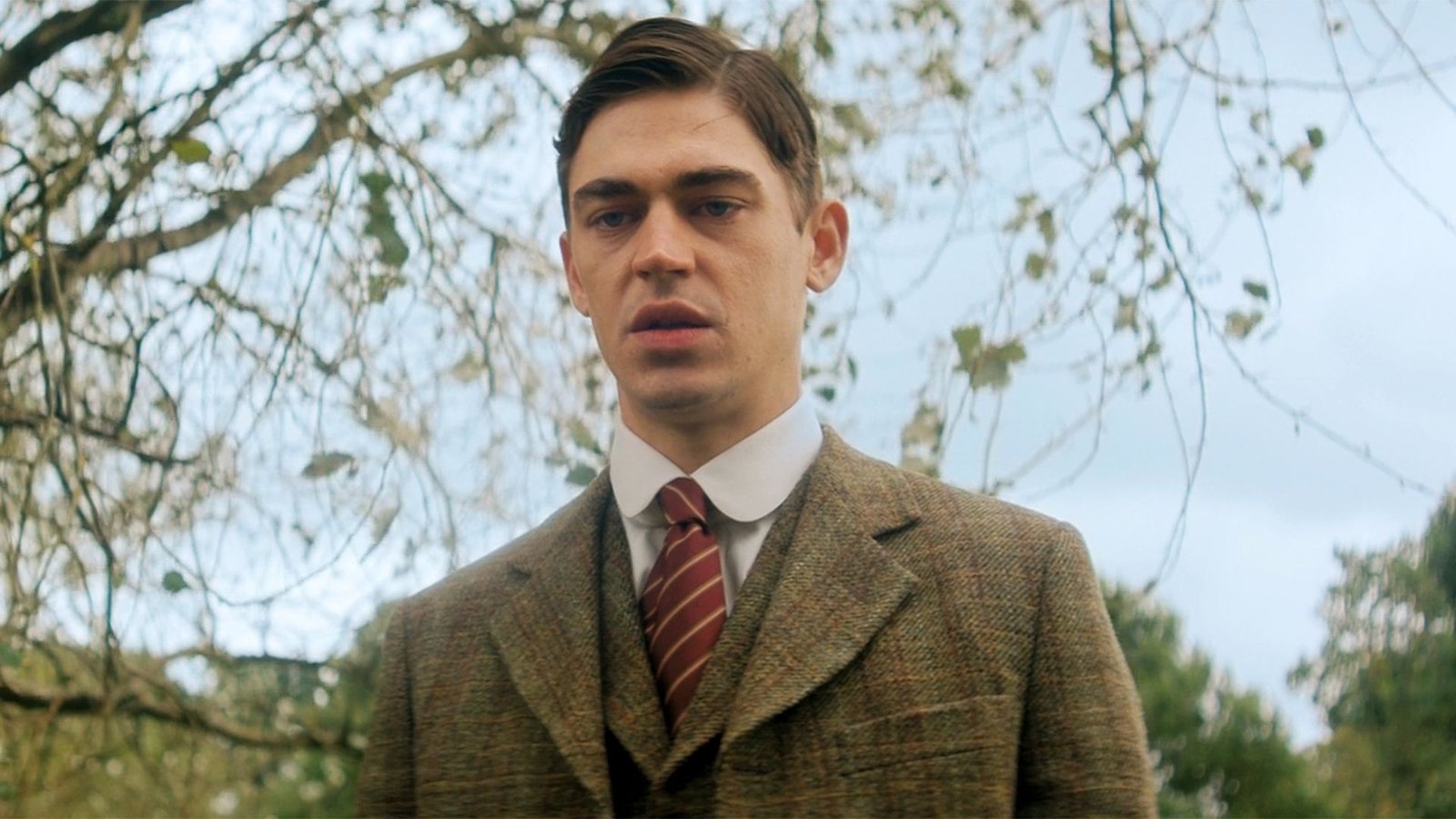
Of the four departures, the most structurally significant is Joseph Fiennes, whose character Silas Holmes, Sherlock’s father, was left in deliberate ambiguity at the end of Season 1 after a cliff jump whose outcome was never shown. That ambiguity has been resolved by his exit; the character is gone without formal narrative closure. Numan Acar, who played Silas’s trusted fixer Esad Kasgarli, is also not returning. Colin Firth’s departure is the most straightforward of the four: his character, Bucephalus Hodge, died in the Season 1 finale. The exit that has drawn the most industry notice is Zine Tseng, who served as one of the season’s female leads as Princess Gulun Shou’an. Her departure is less cleanly attributable to story mechanics than the others, and Prime Video has not addressed it further.
The first season earned an 84 percent approval rating on Rotten Tomatoes and ranked among Prime Video’s top 10 original series by viewership, numbers that built through the back half of the run rather than declining from the premiere. That trajectory was the data point that turned the renewal conversation into a commitment. The Hollywood Reporter confirmed Prime Video greenlit a second season in April.
Tuesday’s announcement came paired with a start-of-production video featuring Ritchie, Tiffin, and Finn, a calibrated disclosure that confirms the season is under way without revealing what it contains. Peter Friedlander, head of global television for Amazon MGM Studios, described Season 1 as having “that rare magic,” which may be the most honest encapsulation of what this degree of ensemble change is attempting to navigate. No premiere date has been set for Season 2.
All eight episodes of Young Sherlock Season 1 are available to stream on Prime Video globally.