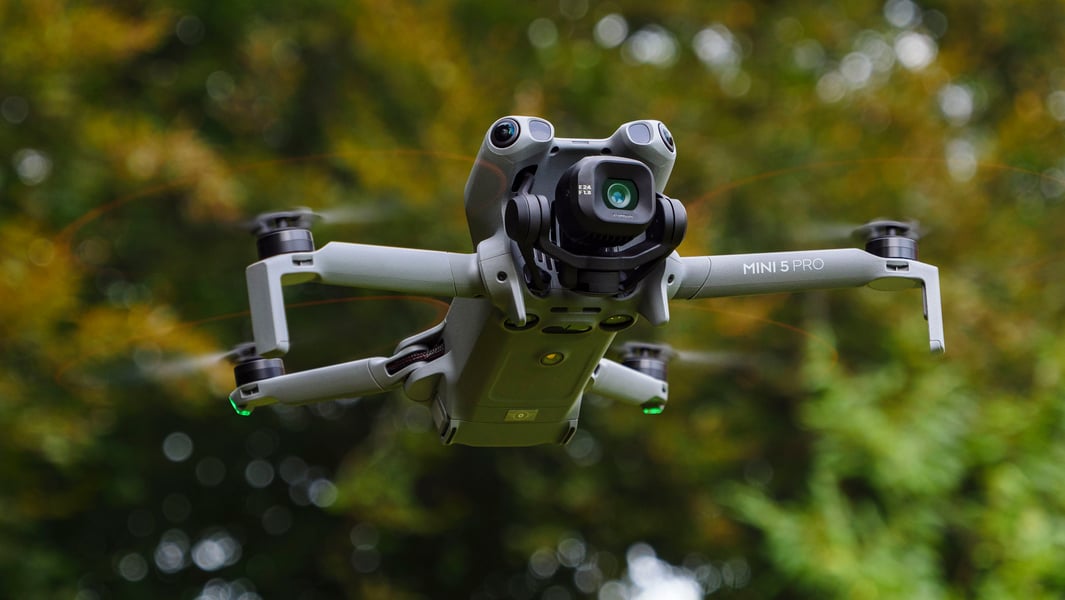

The consumer drone industry is undergoing a sharp recalibration in 2026 as aggressive pricing on entry-level devices collides with rapid innovation in compact aerial imaging. The DJI Mini 4K, one of the most accessible beginner drones in the global market, has dropped to a record-low price on major retail platforms, while growing anticipation around the DJI Mini 5 Pro is reshaping expectations for what lightweight drones can achieve.
This dual movement is not just a pricing story but a broader signal of how the sub-250g drone category is evolving into a two-tier ecosystem: ultra-budget entry models and advanced creator-focused mini drones shaped by wider drone warfare and AI competition trends.
DJI Mini 4K price drop drives beginner demand surge
The DJI Mini 4K has become one of the most discussed entry-level drones due to its combination of portability, simplicity, and affordability. Weighing under 249 grams, it avoids stricter registration requirements in many regions, making it a preferred option for first-time drone users and travel content creators searching for the future of drone workforce tools.
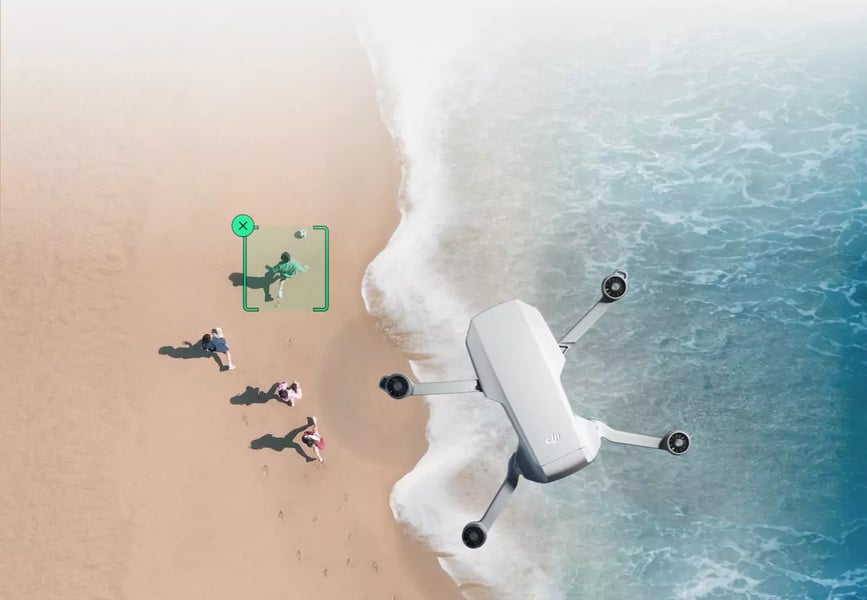
Despite its affordability, the Mini 4K is still positioned as a foundational device rather than a professional tool. It lacks advanced obstacle avoidance and AI tracking systems, which are increasingly becoming standard in higher-tier compact drones.
Mini 5 Pro raises expectations for compact aerial performance
While the Mini 4K dominates the entry-level segment, DJI’s next-generation direction is centered on performance expansion in the same lightweight category. The DJI Mini 5 Pro is being positioned as a major leap forward in sub-250g drone technology, with industry reports indicating improved imaging systems, enhanced stabilization, and smarter flight assistance features.
Early product analysis suggests the Mini 5 Pro is designed for creators who want near-professional aerial quality without moving into heavier drone classifications. DJI’s DJI Mini 4K official specifications and DJI Mini 5 Pro official features show how the company is expanding its compact drone ecosystem while preserving portability.
This evolution reflects DJI’s broader strategy of segmenting the mini drone market into distinct user classes rather than a single entry-level product line. The same ecosystem-driven expansion can also be seen in DJI’s creator hardware lineup including the DJI camera innovation push targeting mobile filmmakers and content creators.
Beginner drone market expands amid creator economy growth
The rise in demand for lightweight drones is closely tied to the expansion of the global creator economy. Travel vloggers, social media creators, and hobby filmmakers increasingly rely on compact drones to produce cinematic aerial footage without professional-grade complexity.
Industry research indicates that consumer drone adoption continues to grow steadily, driven by improvements in automation, battery efficiency, and camera stabilization systems. Recent global drone market growth trends show strong momentum in the consumer UAV sector, particularly among entry-level buyers.
At the same time, broader technology reporting suggests that consumer electronics pricing cycles are becoming more aggressive as brands compete to dominate high-growth categories. According to global consumer electronics market shift coverage, manufacturers are increasingly using discounts and ecosystem bundling to maintain visibility.
This combination of affordability and innovation is accelerating the adoption of drones among first-time users who previously considered aerial photography too complex or expensive.
How DJI pricing strategy is reshaping competition
DJI’s current product segmentation strategy is becoming increasingly visible across its drone lineup. The company appears to be maintaining older models like the Mini 4K at aggressive price points while simultaneously introducing more advanced drones such as the Mini 5 Pro at premium tiers.
This approach creates a layered ecosystem where users can enter at a low cost and upgrade within the same brand family as their needs evolve. Industry analysts note that this strategy strengthens brand loyalty while also defending market share against emerging competitors in the budget drone segment.
Independent expert drone camera reviews and consumer drone benchmarking analysis consistently highlight DJI’s dominance in stabilization, usability, and imaging quality, especially for beginners seeking accessible aerial systems.
The company’s influence across creator hardware and UAV ecosystems also mirrors wider discussions about future of drone warfare and AI-assisted flight systems that are reshaping aerial technology globally.
Amazon pricing pressure intensifies beginner drone competition
Retail platforms such as Amazon play a significant role in shaping drone purchasing trends, particularly for entry-level devices. Frequent discount cycles, lightning deals, and seasonal promotions have contributed to rapid price fluctuations in the Mini 4K segment.
The current record-low pricing trend has increased visibility for beginner drones, pushing them into mainstream consumer tech conversations rather than niche hobbyist communities. Real-time drone pricing trends continue to influence buyer behavior across the broader consumer electronics market.
This pricing environment has also intensified demand for affordable aerial technology, especially as consumers increasingly expect cinematic-quality footage from compact devices. DJI’s broader creator ecosystem, including products like the DJI creator hardware lineup, demonstrates how the company is building interconnected tools for modern content production.
Drone warfare context highlights broader UAV evolution
While consumer drones like the DJI Mini 4K and Mini 5 Pro focus on photography and content creation, the broader UAV ecosystem is evolving rapidly across both civilian and defense applications. Recent developments involving large-scale UAV interception operations and mass drone strike operations demonstrate how unmanned aerial systems are becoming central to modern security and surveillance frameworks.
This broader context underscores how rapidly drone technology is evolving across civilian, commercial, and military sectors simultaneously, with innovations in stabilization, automation, and AI frequently overlapping between industries.
Conclusion: A split market defining the future of compact drones
The DJI Mini 4K price collapse and the rising anticipation around the Mini 5 Pro highlight a clear turning point in the consumer drone industry. On one side, ultra-affordable drones are making aerial photography more accessible than ever. On the other, advanced compact drones are pushing capabilities closer to professional-grade performance.
As 2026 progresses, the drone market is increasingly defined not by whether users can access aerial technology, but by how far they want to go within it. DJI remains at the center of this transformation, shaping both entry-level accessibility and high-end innovation in the same product ecosystem.