
The number of people living with diabetes in Wales is climbing faster than health officials had braced for, and new NHS data suggests the country will pass a milestone it once expected to reach a decade from now.
Diabetes in Wales had been projected to affect more than 260,000 people by 2035. Recent growth indicates that figure could arrive far sooner. Public Health Wales says one in five adults in the country now has diabetes or pre-diabetes, and it estimates that tens of thousands more are walking around with the condition undiagnosed.
Left unmanaged, diabetes can lead to a cascade of serious complications, among them sight loss, kidney disease, nerve damage and cardiovascular disease. Type 2 diabetes, which accounts for the overwhelming majority of cases, is closely associated with obesity and with deprivation, and it falls unevenly across the population.
The condition disproportionately affects people from South Asian, Black African and Black Caribbean backgrounds. For clinicians working in the most diverse corners of Wales, that disparity is not an abstraction but a daily reality.
A 3.5 percent jump in a single year
Figures from Stats Wales in 2025 showed 230,371 people aged 17 and over were living with diabetes, with type 2 diabetes making up around 90 percent of those cases. That represents a 3.5 percent rise on the previous year, a pace that significantly outstrips the projections Public Health Wales had drawn up.
A further 269,747 people in Wales are thought to be living with pre-diabetes, the stage at which blood glucose levels sit above the normal range but not yet high enough for a formal diagnosis. It is a window in which the trajectory can still be changed, and one that often passes unnoticed.
Dr Amir Ghanghro, a GP with a special interest in the condition, said practices across the country would typically expect to see around 5 percent of patients with diabetes. His own clinic, in one of the most diverse parts of Cardiff, runs at roughly double that, with around 10 percent of patients affected.
He said the disease behaves differently among the South Asian population. “They develop diabetes at a younger age group, at lower BMIs or lower weights and the disease they get is more aggressive,” he said, recalling a recent diagnosis in a 17-year-old boy.
Meeting patients where they are

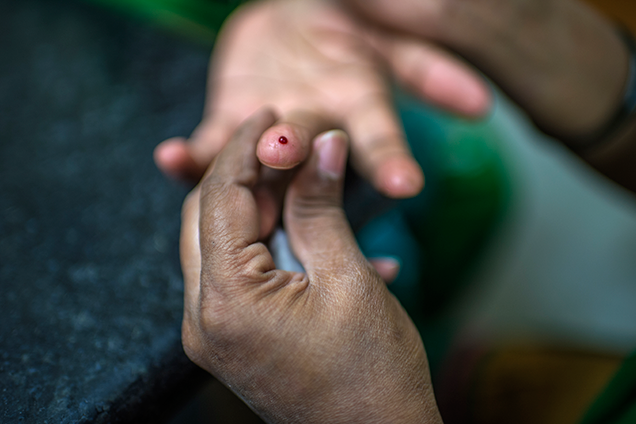
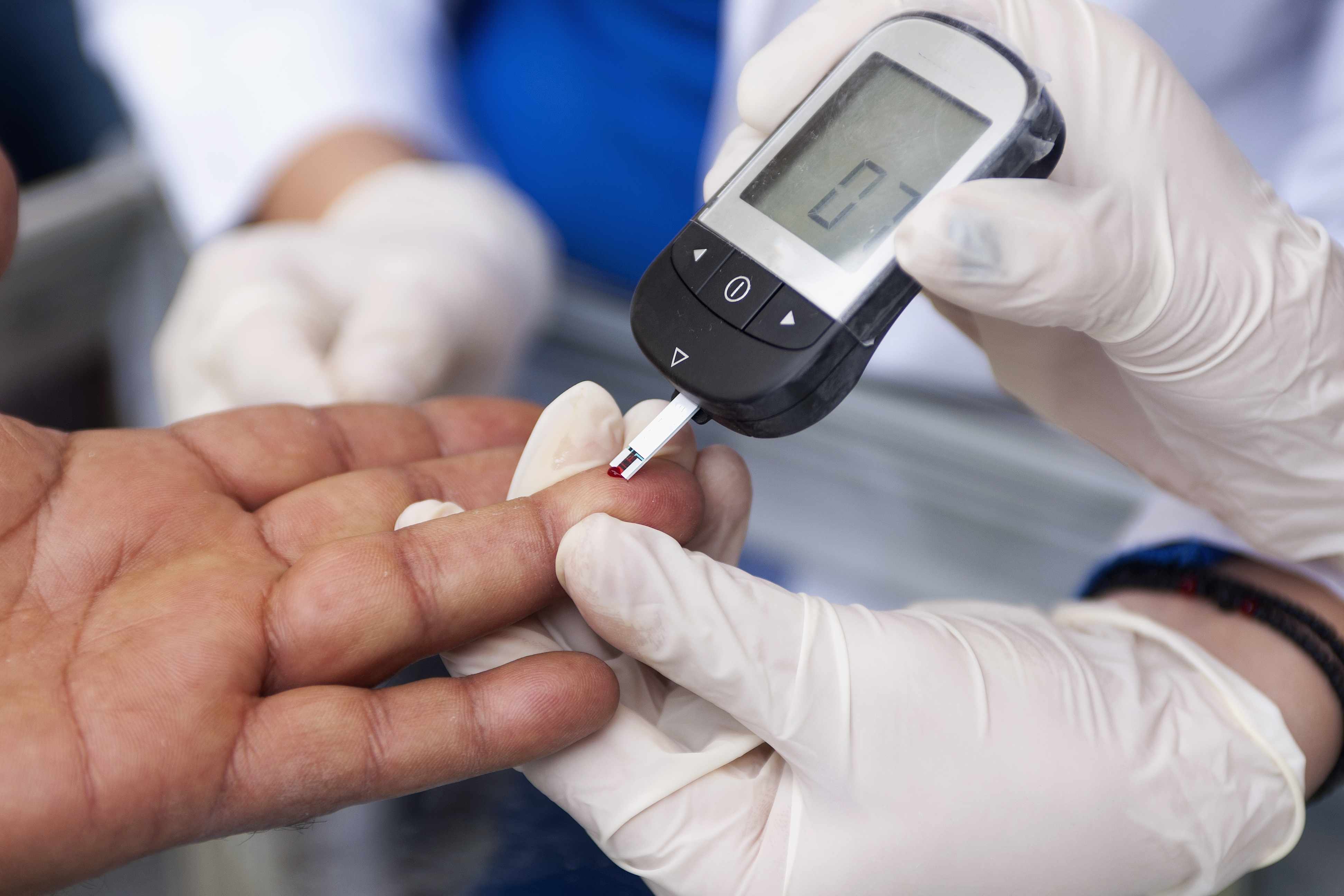
Taking “point of care” glucose tests out into the community is effective, but it is also expensive. And the conversations themselves require care. Dr Ghanghro said “cultural competence” was essential when speaking candidly with patients about risk, diet and family history.
During one clinic session he saw Mahmood Hassan, 70, who has lived with diabetes for around 30 years. The two moved between Urdu and English as they discussed his latest results and how he was managing chronic kidney disease, itself a complication of the condition.
“My sister is diabetic, my wife is, there’s a lot in my family,” Mr Hassan said. “So I do tell my sons and daughters to look after themselves, to do more walking and less sweets.”
The shame that keeps people quiet
Dr Sarah Thomas, a GP in Ely, Cardiff, and the national clinical lead for diabetes in primary care, said one of the most striking trends is who is now being diagnosed. There has been particular growth among those under 40.
“We’re seeing people in their 20s and 30s developing type 2 diabetes and this is a particular concern because they are at significant lifetime risk of complications,” she said.
She is candid about the stigma that surrounds the diagnosis. “I see loads of shame and stigma associated with both type 2 diabetes and people living with overweight and obesity,” she said. “People don’t want to talk about it, they don’t want to have those conversations, they feel they’re to blame, and it’s just not the case. I want to really emphasise that it is not people’s fault.”

Where the weight-loss drugs fit in
Dr Thomas pointed to the rising popularity of medications such as Ozempic and Mounjaro as one possible reason diabetes growth in the United States is showing early signs of levelling off. In Wales, she said, those drugs are not yet as widely used, and they are not a fix for everyone.
“I use them widely for my patients living with type 2 diabetes, and for the right people, they can be extremely effective, they are a tool in our toolbox,” she said. “I do not think they are the solution to the prevention of type 2 diabetes in Wales. They’ll form a part of that for certain, but I think we need to have a much more holistic approach to prevention of type 2 diabetes.”
Diabetes is a condition that causes blood glucose to climb too high, the result of the body either failing to make enough insulin, making none at all, or producing insulin that does not work properly. Common warning signs include constant thirst, needing to urinate more than usual, persistent tiredness and unexplained weight loss. Type 1 diabetes is often diagnosed in childhood, can appear at any age and cannot be prevented. Type 2, according to the World Health Organization, can frequently be prevented or delayed through lifestyle changes or treatment, though ethnicity, age and obesity all raise the risk.
Knowing the risk before it becomes a diagnosis
For the public health teams trying to bend the curve, the message keeps returning to awareness. David Taylor, of Public Health Wales’s Tackling Diabetes Together Programme, urged people to find out where they stand.
“Once a person knows their risk and acts, in some people we can prevent the development of type 2 diabetes and that’s a very powerful message,” he said.
It is a message aimed squarely at the tens of thousands of people in Wales who, as the search for a diabetes treatment continues worldwide, may already be living with a condition they have not yet been told they have.
Related Posts