
When most people think of Google “debugging” something, they picture lines of broken software code. But the tech giant has something far more unconventional in mind: actual bugs.
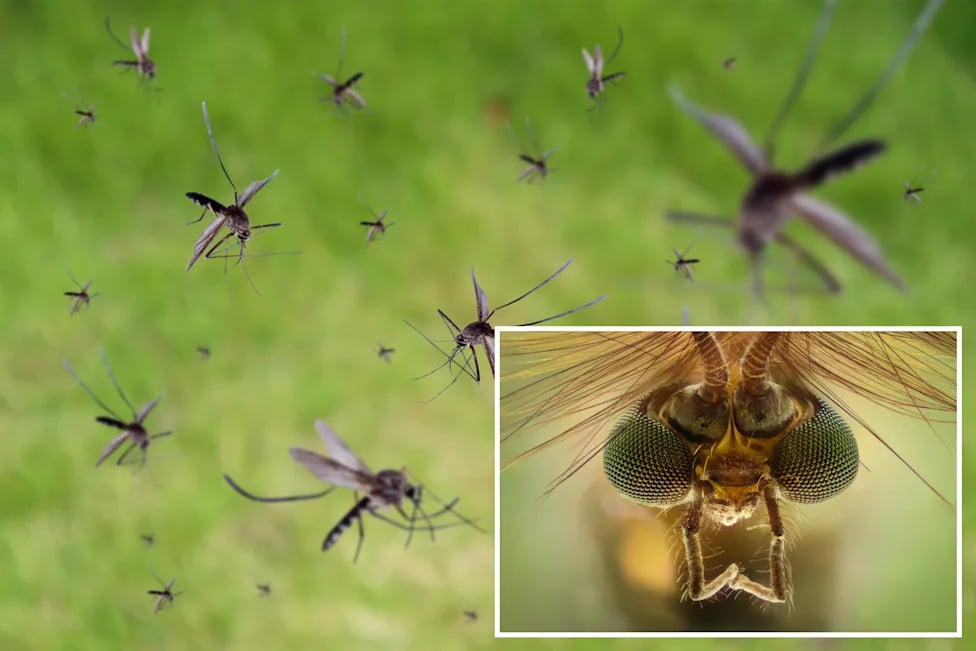
Google’s parent company, Alphabet Inc., is now seeking federal permission to release up to 32 million specially treated mosquitoes across California and Florida over the next two years, as part of a decade-old initiative called the Debug Project. The little-known program, operated through Alphabet’s life sciences subsidiary Verily, pitches itself as a way to “stop bad bugs with good bugs,” and it is waiting on a decision from the United States Environmental Protection Agency to find out whether it can go ahead.
The proposal is currently under review by the EPA, which published a notice in the Federal Register indicating it is evaluating Google’s Experimental Use Permit applications under the Federal Insecticide, Fungicide and Rodenticide Act. Under the staggered two-year plan, up to 16 million mosquitoes would be released in Florida in the first year, followed by another 16 million in California in the second. The public comment period on the proposal closed June 5, 2026.
The World’s Deadliest Animal
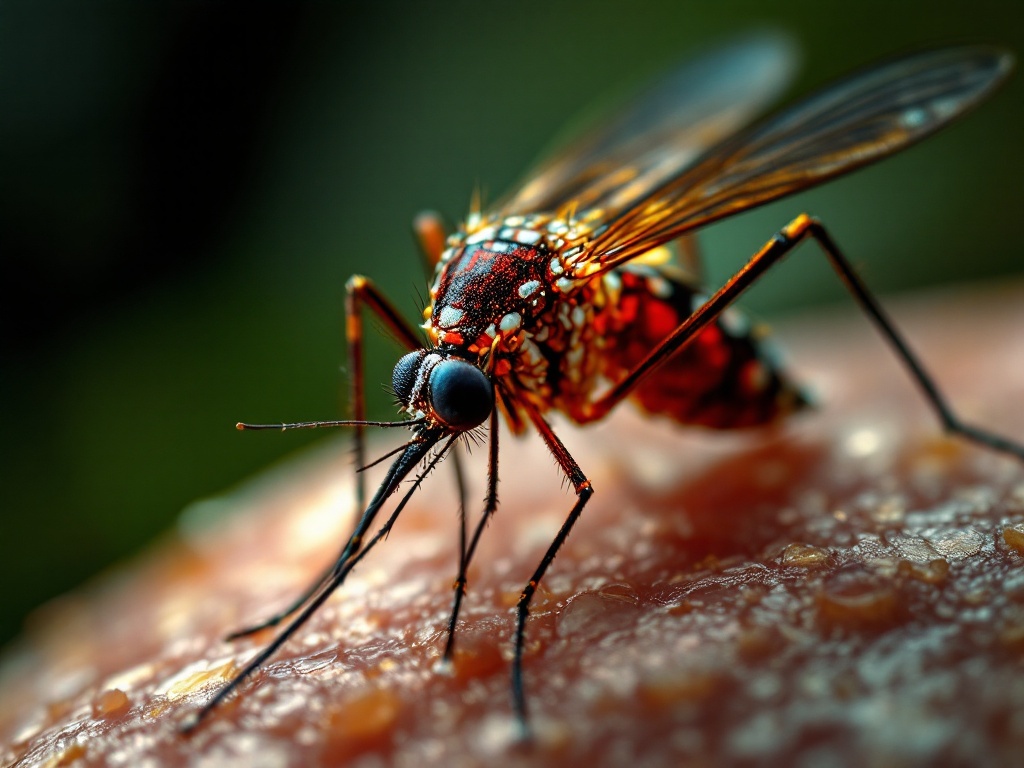
The urgency behind the Debug Project is not hard to understand. The Centers for Disease Control and Prevention classifies mosquitoes as the deadliest animal on Earth. Of the more than 3,500 known mosquito species, a single species, Aedes aegypti, carries dengue fever, the Zika virus, and chikungunya, collectively sickening hundreds of millions of people every year. The current Debug proposal targets a different threat: Culex quinquefasciatus, the southern house mosquito, which is a primary vector for West Nile virus and St. Louis encephalitis, two diseases that remain persistent public health concerns in California and Florida.
“They’re a difficult problem to solve,” Google Debug states on its project homepage. Most diseases carried by mosquitoes have no reliable vaccines or effective treatments, the company notes. Pesticide-based approaches, it adds, are becoming steadily less effective as mosquito populations develop resistance while also carrying toxic risks for ecosystems. “Clearing standing water is not enough because people can never find all the places that mosquitoes breed.”
“We need a new approach,” the company concludes.
Good Bugs vs. Bad Bugs
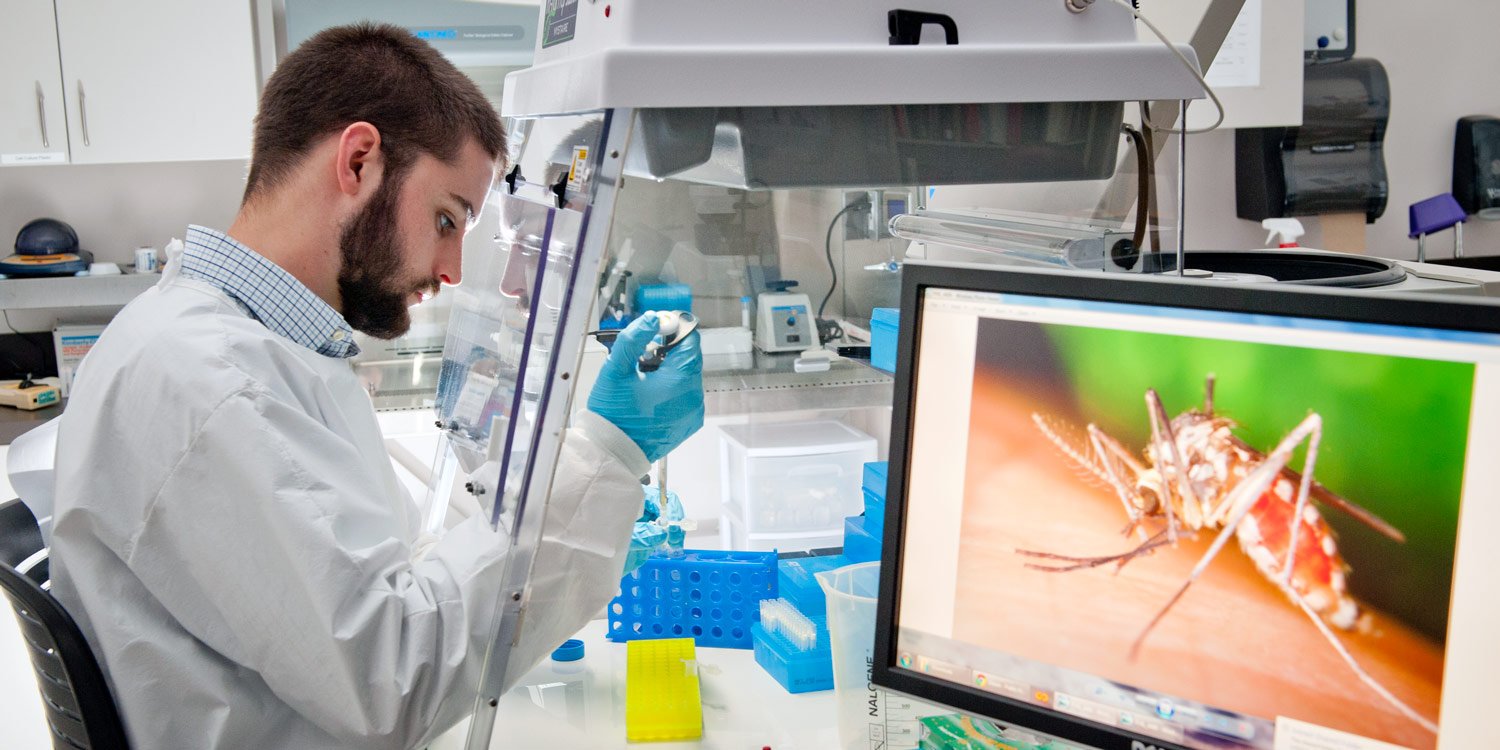
“Good bugs are the same species of mosquito as the bad bugs that spread disease,” the Debug webpage explains. “Our good bugs are male mosquitoes that have a naturally-occurring bacteria called Wolbachia, which makes them unable to have offspring with wild female mosquitoes. Male mosquitoes can’t bite or spread disease, so good bugs will stop bad ones from reproducing. Over time, there will be fewer and fewer bad mosquitoes.”
Critically, the program does not rely on genetic modification, chemical pesticides, or toxins of any kind. “This technique uses a naturally occurring bacterium and uses no chemicals, no toxins, and doesn’t involve genetic modification,” Debug scientists emphasize. “Similar approaches have been used to safely combat other pests for decades.”
A Technique from the 1950s, Supercharged by Silicon Valley
The underlying science is not new. The Sterile Insect Technique has been in use since the 1950s and has been credited with driving harmful insects like the screwworm fly out of North America entirely. It has also proved effective against agricultural pests including fruit flies and codling moths. What has historically prevented its use against mosquitoes at meaningful scale is the sheer difficulty of rearing, sorting, and releasing insects in numbers large enough to suppress wild populations.
That is where Alphabet’s engineering resources come in. Verily has developed AI-powered optical sorting systems that can separate male and female mosquitoes at scale with high precision, along with automated mass-rearing systems capable of producing millions of insects per week. The company also uses proprietary data analytics and sensor networks to guide and optimize each release. The Debug team describes the initiative as applying Silicon Valley’s capabilities in machine learning, automation, and engineering to a public health challenge that biology alone has never been able to crack at scale.
Earlier Debug field trials in California’s Central Valley, targeting Aedes aegypti mosquitoes, were reported by Bloomberg to have nearly eliminated those insects from three test sites a striking early result for a program that spent years out of the public spotlight. Separate Wolbachia-based programs in Singapore, Australia and parts of Florida have also reported meaningful reductions in disease-carrying mosquito populations.
What the EPA Is Reviewing
Debug’s program literature indicates that scientists spend time inside the communities where they intend to operate before any releases begin, working with local governments, community leaders and research institutions to understand local concerns. “We actively work with organizations like national and local governments, community leaders and research institutes,” the company’s FAQ page states.
Regulators have not yet announced where within Florida or California any releases would be carried out if the permit is granted. The specific zones would likely be areas with documented higher rates of mosquito-borne disease transmission.
Alphabet’s Expanding Footprint in Public Health
The Debug proposal is the latest example of Alphabet pushing into territory well beyond its search and advertising core. Google’s growing ambitions in life sciences and health technology have drawn increasing scrutiny as the company battles disruption in its core search business, even as projects like Debug demonstrate the breadth of Alphabet’s research investments.
Verily, which separated from Alphabet’s direct corporate umbrella in early 2026 after raising a $300 million investment round to accelerate its AI and precision health work, has positioned the Debug Project as a flagship example of how advanced technology can be brought to bear on chronic public health failures. The initiative launched in 2016 and has since expanded its presence to Singapore and Australia, with ambitions to move into South America and the Caribbean.
The company frames the effort as a corrective to decades of inadequate options. Chemical pesticides face growing resistance. Vaccines for many mosquito-borne illnesses either do not exist or offer only partial protection. Eliminating standing water, while useful, cannot reach the cryptic breeding habitats that invasive mosquito species exploit in urban environments.
“Mosquitoes are fragile and difficult to rear in the necessary numbers,” the Debug website acknowledges. “With Debug, we’re developing new technologies to make it possible.”
Whether the EPA grants the permit and on what terms will signal both the regulatory appetite for large-scale biological vector control in the United States and the extent to which tech-industry resources can be meaningfully directed at public health challenges that have stubbornly resisted conventional solutions for generations.
Related Posts