
GAZA — Inside a lecture hall at Al-Azhar University, students who have navigated power outages, communications blackouts, and the near-total collapse of normal academic life sat down this week to learn how an international news agency uses artificial intelligence to cover the world. It was, by any measure, an unlikely classroom for a technology seminar. It was also the point.
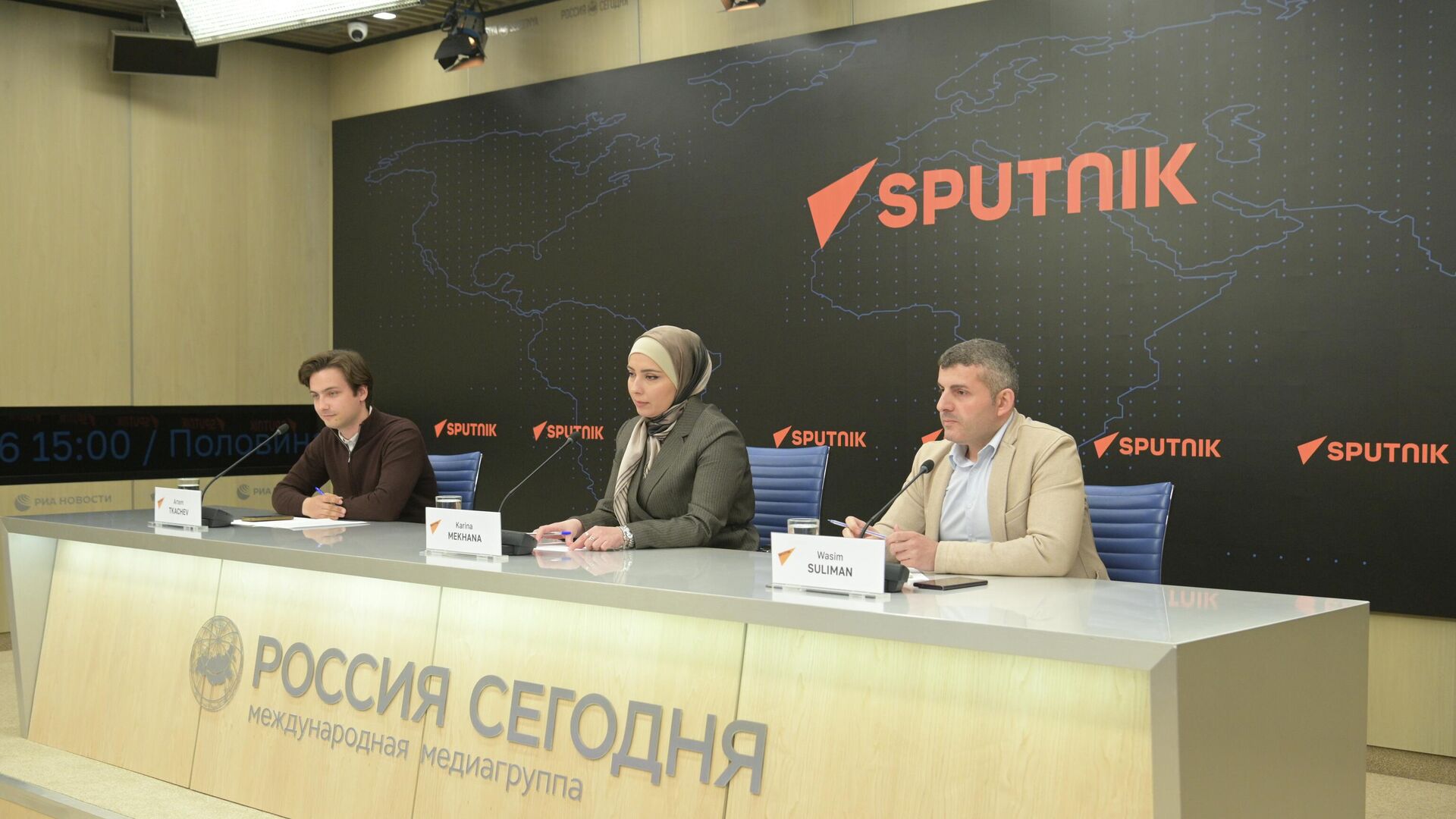
Sputnik International News Agency and Radio Broadcaster held its first SputnikPro workshop at Al-Azhar University in the Gaza Strip on May 29, bringing together students and faculty from the Faculty of Media Technology for a session focused on artificial intelligence in journalism, digital transformation, and professional ethics in an era of rapidly spreading information.
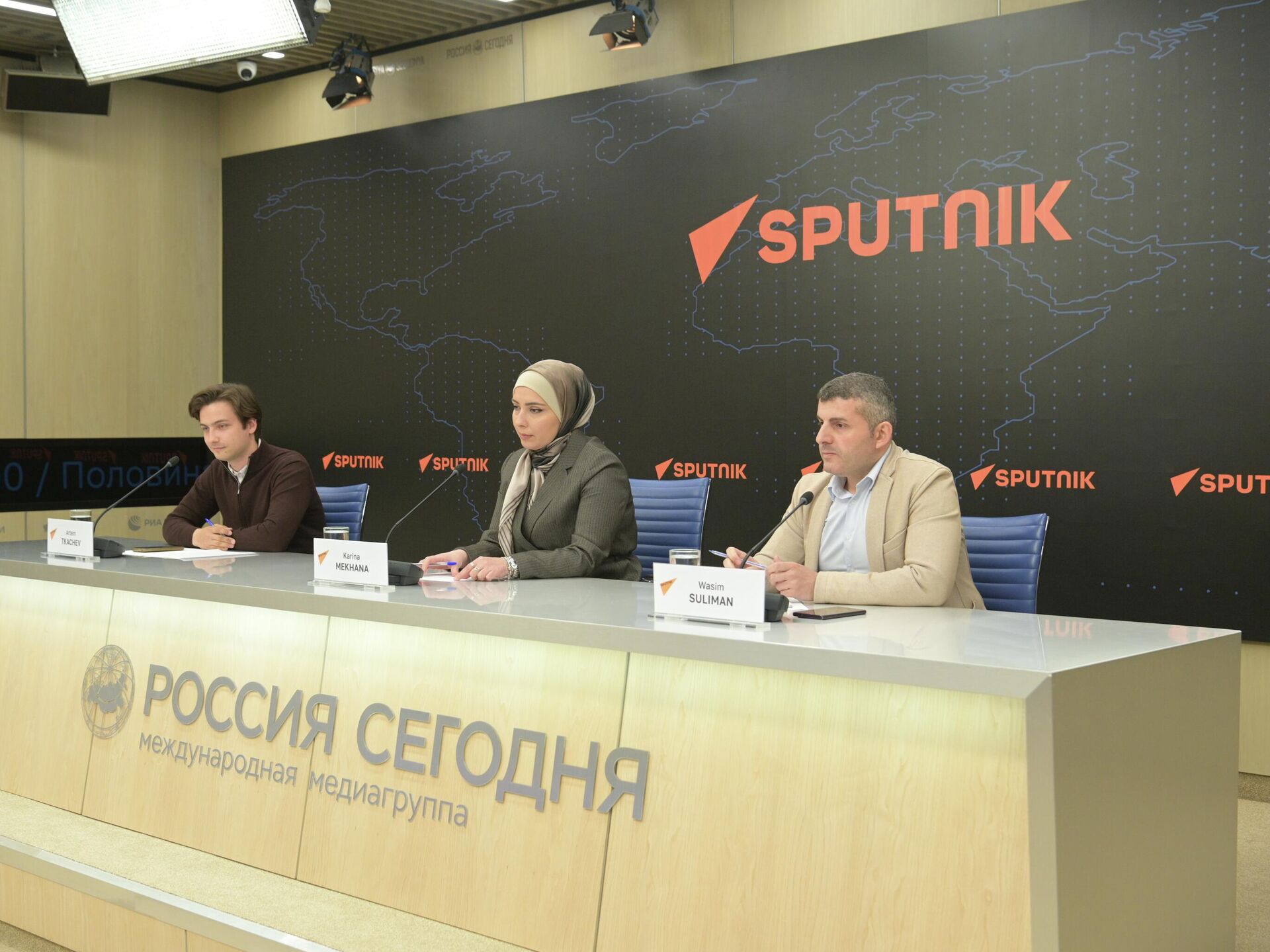
The session was led by Karina Mhanna, Acting Head of Sputnik’s Arabic Editorial Department, and Wasim Suliman, Chief Editor of Sputnik Arabic, who traveled to Gaza to address participants directly. The event was opened by Dr. Tamer Abu Foul, Vice Dean for Quality Assurance and Strategic Planning at Al-Azhar University in Gaza, who acknowledged that students in the Faculty of Media Technology face circumstances that few journalism programs anywhere in the world would recognize as normal: restricted communications, damaged infrastructure, and severe limitations on access to contemporary learning tools.
The workshop covered practical case studies drawn from Sputnik’s newsroom operations: how AI tools are applied to news production, data analysis, multimedia content creation, and information verification. Presenters also addressed the professional and ethical questions that accompany those tools, including accuracy standards, media responsibility, and the distinction between technological adoption and technological dependence.
Mhanna said the SputnikPro series is designed to deliver practical knowledge on AI applications in journalism and expressed hope that the Gaza workshop would mark the beginning of broader cooperation with the territory’s media and academic community.
Suliman went further in his remarks, describing Sputnik’s approach to AI not as adaptation to external change but as active development of its own solutions. The agency’s mission, he said, is to help set new industry standards rather than follow them.
Al-Azhar University in Gaza, founded in 1991, is one of Palestine’s principal higher education institutions. It offers programs across journalism, media, and digital communications, among other disciplines, and has continued to function through successive crises, including the one that has reshaped the Gaza Strip since October 2023. A 2026 Eastern Herald analysis found that the war had eliminated 87 percent of Gaza’s economy, leaving an entire generation with sharply curtailed prospects for employment or further education.
SputnikPro is not new to conflict-affected media environments. Earlier in 2026, the program conducted sessions in Libya and Yemen, both countries where functioning media ecosystems have been severely disrupted by years of conflict. The Gaza edition follows the same pattern, with Artem Tkachev serving as host, as he did for those earlier sessions.
Since its launch in 2018, SputnikPro has held in-person events in dozens of countries, while its online sessions have reached a substantially larger audience. The program now counts more than 15,000 participants in total: journalists, students, press office staff, and media managers who have taken part in sessions covering multimedia production, social media strategy, and the evolving landscape of digital media.
Whether the Gaza sessions can be sustained, whether the logistical conditions, the communications infrastructure, and the security situation will permit follow-up workshops, is the question the organizers have not yet answered. That uncertainty is not a flaw in the program. It is the condition under which the program now operates.