
LAS VEGAS — The most consequential decision in American casino dealmaking this year will not be made by Barry Diller. It will be made by a man most Las Vegas executives cannot pick out of a lineup.
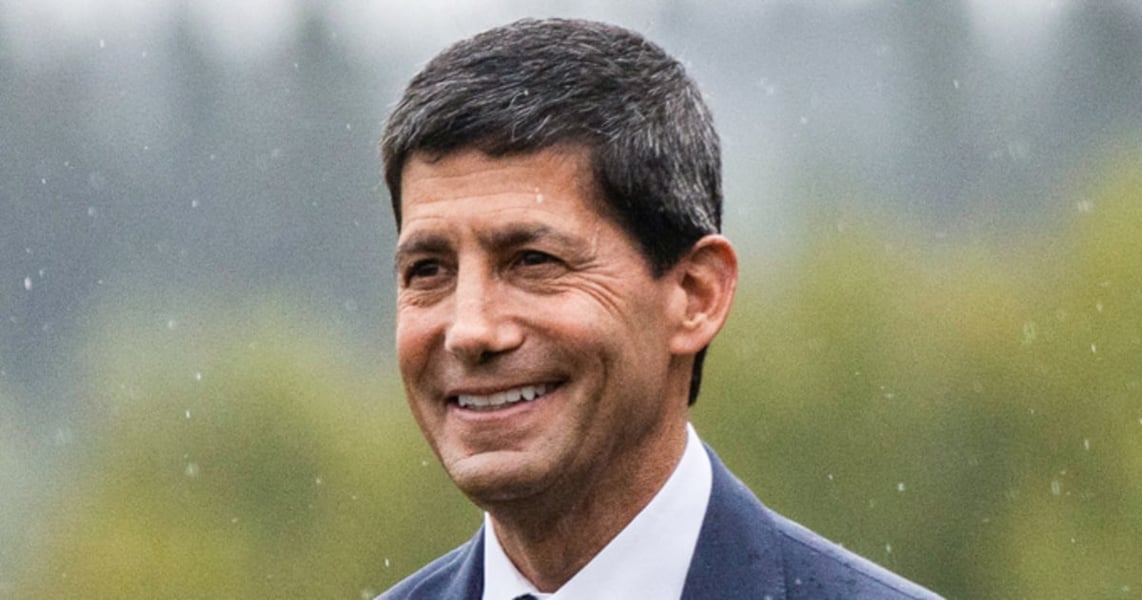
Paul Salem, the Providence-based private equity veteran who chairs MGM Resorts International’s board, became the pivotal figure in Diller’s $18 billion takeover bid the moment Diller announced he would recuse himself from all board deliberations. Delaware corporate law does the rest: the remaining independent directors, led by Salem, must now determine whether to open negotiations, reject the proposal outright, or pursue a competing transaction — without the company’s largest single shareholder in the room.
That structural logic has handed Salem an authority his public profile never hinted at. A longtime executive at Providence Equity Partners and founder of Salem Capital Management, he donated $2,000 to a Rhode Island gubernatorial campaign last year. His name does not appear regularly in industry press. Yet Diller’s June 1 letter to the board was addressed, in part, to Salem directly — and the decision of whether one of the world’s most recognizable casino brands stays independent or changes ownership will ultimately flow through him.
People Incorporated, the holding company formerly known as IAC that Diller chairs, offered $48.30 per share for the roughly 73.9 percent of MGM it does not already own, implying an enterprise value of approximately $18 billion. The all-cash bid carries a 10.6 percent premium over MGM’s closing price the prior Friday and a 30 percent premium to the stock’s volume-weighted average over the preceding 90 trading days, according to the SEC filing. People Inc. said it would fund the acquisition through cash on hand alongside additional debt and equity commitments, with no financing condition attached.
The offer is non-binding and a formal deal may not materialize. But its terms are precise enough to be taken seriously. People Inc. said it intends to own just over 50.1 percent of MGM’s equity upon closing, with minority interests potentially held by existing MGM shareholders — a structure that leaves the company nominally public while Diller consolidates effective control.
Diller has been building toward this moment for nearly six years. IAC, as People Inc. was then known, made an initial $1 billion investment in MGM in 2020 when the company was battered by the pandemic. He methodically expanded that position ever since, crossing 26 percent ownership earlier this year and securing governance rights that capped his voting power at 25.73 percent under a prior agreement with the board. A full acquisition eliminates that constraint. The governance agreement sealed in April 2026 had placed a ceiling on his influence; the bid is, in part, a move to knock it down.
His rationale centers on a conviction that MGM’s assets are systematically undervalued by public markets. MGM’s chief financial officer, Jonathan Halkyard, acknowledged in March that the company might need to explore alternative structures if its digital business valuation failed to improve, The Hollywood Reporter noted. Diller’s argument is blunter: the company’s assets are “not currently realizing their full potential in the public markets” and it will be “difficult to correct” while it remains listed.
He also made the case that physical casino and resort assets occupy a specific position in the current technology landscape — one not easily disrupted. People Inc. began investing in MGM, Diller wrote to the board, because it represented “a rare kind of business: one with real-world assets that AI cannot easily replicate or disintermediate.” That framing reflects a broader thesis Diller has been developing since the pandemic accelerated remote-everything trends that, so far, have not materially dented in-person gaming revenue.
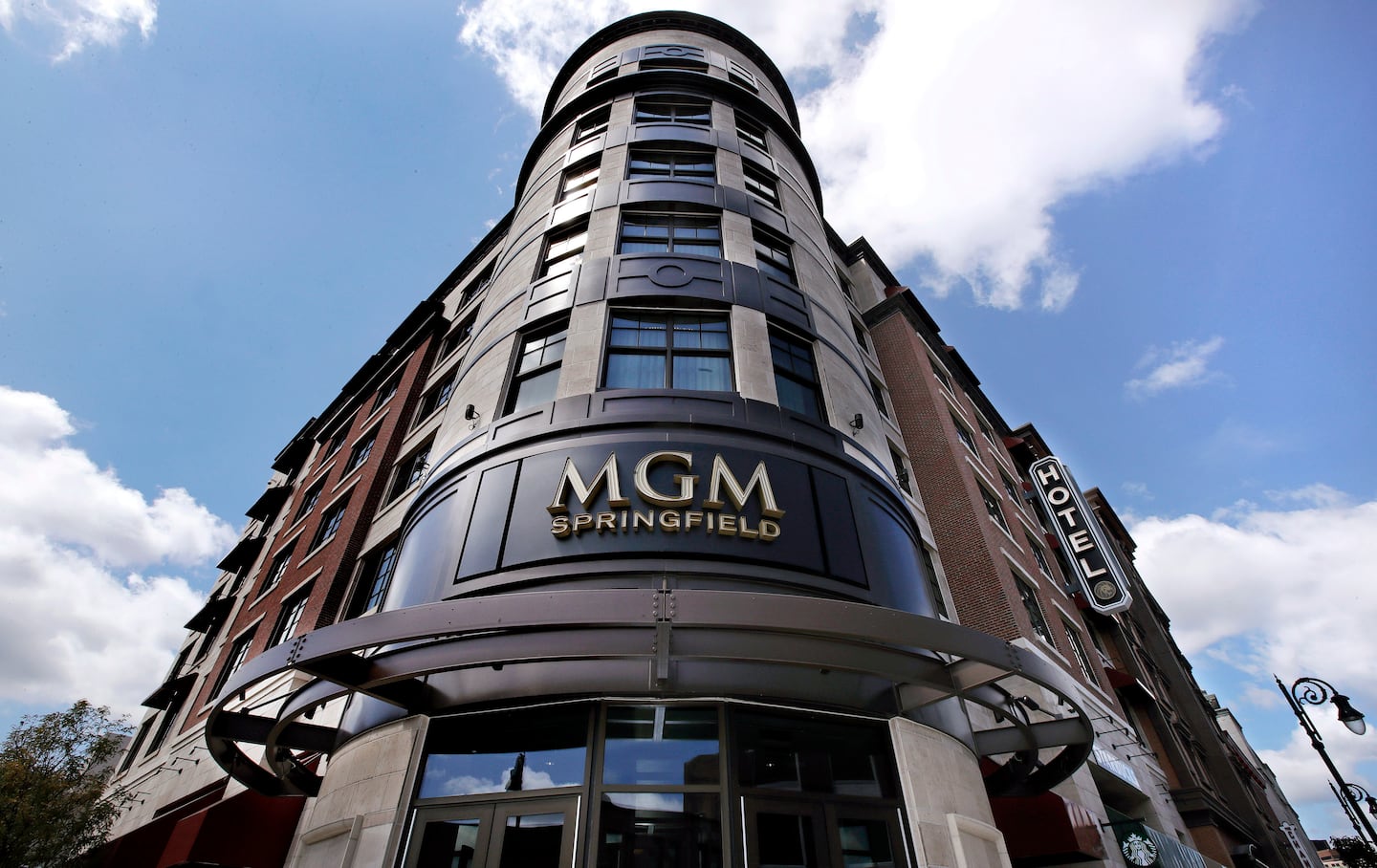
MGM reported record first-quarter consolidated revenues of $4.5 billion in April — a 4 percent year-on-year gain — driven by MGM China and its digital unit BetMGM, even as the Las Vegas Strip delivered only modest top-line growth. The company operates 31 resorts across seven states and China, including the Bellagio, MGM Grand, ARIA, and The Cosmopolitan. Its Springfield, Massachusetts casino is among the regional properties that would transfer to People Inc. under any completed deal. MGM closed the sale of its Northfield Park operations for $546 million in April, generating incremental liquidity that Halkyard said would be deployed toward share repurchases — a capital allocation decision that would look quite different under Diller’s ownership.
The casino sector has been active with deal activity. Earlier this year, billionaire Tilman Fertitta entered talks to acquire Caesars Entertainment in a $6.5 billion deal, while Greek lottery giant Intralot agreed a £243 million takeover of William Hill owner Evoke in Europe. Diller’s proposal, at $18 billion, would be the largest gaming transaction of the cycle by a wide margin.
Whether the offer is adequate is the question Salem and his fellow independent directors must now answer through formal process. Under Delaware corporate law, a controlling shareholder’s acquisition attempt triggers heightened fiduciary scrutiny — the board must demonstrate it extracted maximum value for minority shareholders and acted free of conflicted influence. That is why Diller’s recusal is not optional; it is the procedural architecture that gives the Salem-led deliberations their legal credibility. The board has established a special committee framework to evaluate unsolicited offers, according to Legal Sports Report, a structure commonly deployed in precisely these circumstances.
Who sits on that committee, and which financial advisers and counsel it retains, will shape the pace and character of any negotiations. Those details have not been made public. Salem has not commented publicly on the proposal.
What Salem and the independent directors do not yet have, at least publicly, is a competing bid to use as leverage. MGM’s stock traded above the $48.30 offer price in the hours after the announcement on June 1 — a signal that some portion of the market expects either a richer offer or a rival bidder to surface. That gap between Diller’s price and the trading price is the pressure Salem will feel most acutely as deliberations proceed. It is also the question he cannot yet answer: whether the man who built IAC into a media and technology conglomerate has offered enough for the empire he spent six years quietly acquiring the right to own.
Related Posts