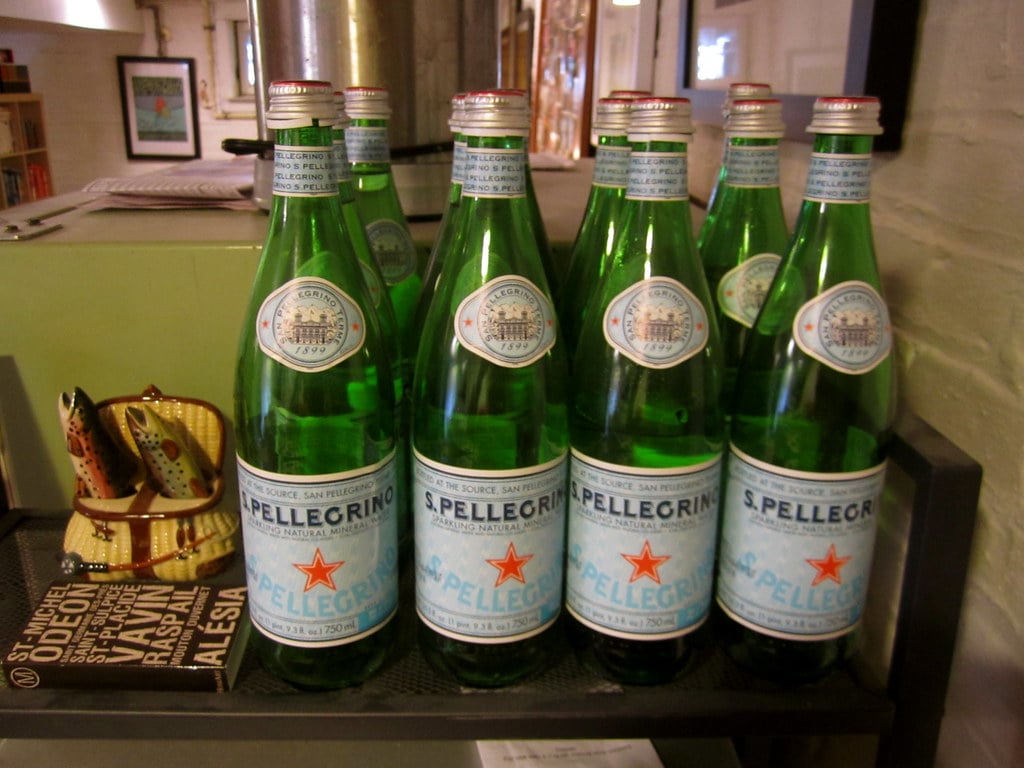

VEVEY – Nestlé SA agreed Thursday to sell half of its water business to private equity firm Platinum Equity in a deal that values the unit at €4.9 billion, creating a joint venture that will hold the Perrier, S.Pellegrino and Acqua Panna brands outside the governance structure of the Swiss food conglomerate for the first time.
The transaction will deliver approximately €3 billion ($3.4 billion) in cash to Nestlé at closing, while the company retains a 50 percent stake in the new entity, named Peranel. The combined joint venture is valued at approximately $5.6 billion. The deal is expected to close in the first half of 2027, subject to employee consultation processes and regulatory clearances across more than 120 countries where the water business operates.
The water unit encompasses more than 30 brands, with S.Pellegrino, Source Perrier, Acqua Panna, and Nestlé Pure Life representing the premium core. The business has been a structural drag on the group’s overall margin profile: water generates lower returns than Nestlé’s coffee, petcare, and nutrition divisions, and the category competes on price at the commodity end in ways that limit how far premium pricing can move the consolidated margin needle. Nestlé’s Zurich-listed shares (NESN) have been under sustained investor pressure since 2023, with shareholders arguing the portfolio had grown too diffuse to manage at scale.
Under chief executive Laurent Freixe, who took over in late 2024, the group has been actively reshaping its asset base. The Platinum Equity agreement is among the more significant moves in that process: not a full divestiture, which might have maximized near-term cash, but a joint venture structure that lets Nestlé retain economic exposure to any value Platinum Equity can unlock.
Philipp Navratil, who heads the Nestlé Waters business, said the structure would allow the new entity to operate with greater speed. He said Peranel would be “better positioned to execute its strategy with enhanced agility” as a focused standalone operation. The implication in that framing is clear: the Perrier and S.Pellegrino franchises, managed inside a global conglomerate’s planning and capital-allocation cycle, have been operating at a pace slower than what the premium beverage category demands of competitors.
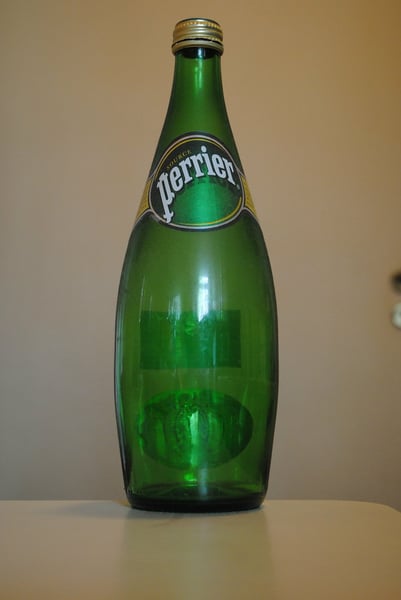
For Platinum Equity, this represents its largest transaction in European consumer brands. Louis Samson, co-president of the Beverly Hills-based firm, said the partnership would combine operational capabilities with Nestlé’s product development and marketing expertise. Platinum Equity has built its reputation on acquiring complex corporate carve-outs, including assets divested by Verizon and Nissan, and reorganizing them into focused standalone businesses. The Nestlé Waters deal fits the firm’s established pattern: a complex asset receiving insufficient strategic attention inside a larger organization.
The transaction reflects sustained private equity appetite for large carve-outs in Europe. Earlier this month, Apollo outbid Castlelake with a £5.7 billion proposal for EasyJet, illustrating that major buy-out firms continue to view European assets as accessible targets while several North American deal markets face tighter antitrust conditions. Nestlé’s water business, with established distribution infrastructure across 120 countries and premium brand recognition built over decades, fits the profile that large private equity firms have been targeting across Europe throughout 2026.
The Peranel portfolio has not been standing still. The business completed approximately 120 product launches since 2022 through an in-house research and development team, a rate suggesting active innovation investment even while the parent corporation was reconsidering its relationship with the category. S.Pellegrino and Perrier are not declining franchises: they are actively growing brands in markets where consumer spending on premium beverages is expanding, particularly in Asia and North America. Nestlé detailed in its announcement Thursday that Peranel will operate across more than 120 countries on day one of its independent existence.
The 50:50 structure is the detail the announcement does not fully explain. A joint venture between a global food conglomerate and a private equity firm is a partnership with inherently competing timelines. Platinum Equity’s business model is built around eventual exit, whether through sale or public listing. Nestlé’s interest in retaining 50 percent is a combination of cash flow, brand adjacency, and strategic optionality. Whether those priorities produce aligned decision-making on capital allocation, pricing strategy, and the timing of an eventual exit will be the central question of the partnership’s operating years, and the announcement offers no answer to it.
Nestlé separately reported its first-half 2026 financial results on Thursday, timing the water transaction to coincide with a broader investor communication about the group’s strategic direction. Freixe has not specified publicly how the €3 billion in proceeds will be deployed. The water unit was divested, at least in part, to free capital for categories Nestlé considers higher priority. What those categories are, and whether the market agrees with the allocation, is the story the Peranel deal sets up but does not tell.