
LONDON – EasyJet’s board of directors abandoned its endorsement of Castlelake on Friday, throwing its weight behind a competing £5.7 billion proposal from Apollo Global Management that values the airline at £7.15 per share – an 81 percent premium over EasyJet’s closing price of £3.94 on May 28, the day before Castlelake’s interest first became public.
The reversal came just eight days after the board accepted Castlelake’s offer of £6.90 per share on July 6. Apollo’s revised proposal carries a deadline of August 7, giving shareholders roughly four weeks to decide. Castlelake has until August 3 to either table a higher bid or walk away from the contest entirely.
EasyJet shares (EZJ) climbed roughly 15 percent to approximately £6.75 in early Friday trading, their highest level since early 2022. The market still prices in uncertainty: the shares remain below Apollo’s offer price, reflecting the regulatory question both bidders must answer before any deal can close, as Euronews reported.
That question is structural. European Union aviation law requires airlines operating within the bloc to be majority-owned and effectively controlled by EU nationals or member states. Neither Apollo nor Castlelake is European, and both must construct elaborate ownership arrangements before any transaction can clear Brussels.
Apollo has offered one public signal of its intentions. The firm pledged to retain the easyJet brand through an extended licensing arrangement with easyGroup, the holding vehicle of airline founder Sir Stelios Haji-Ioannou, who holds approximately 15 percent of EasyJet’s shares. Stelios’s support – or at minimum his neutrality – is likely to prove significant as competing deadlines approach in early August.
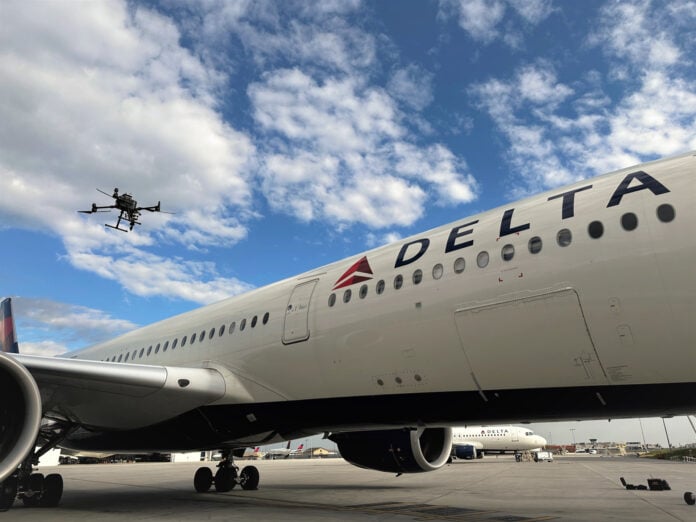
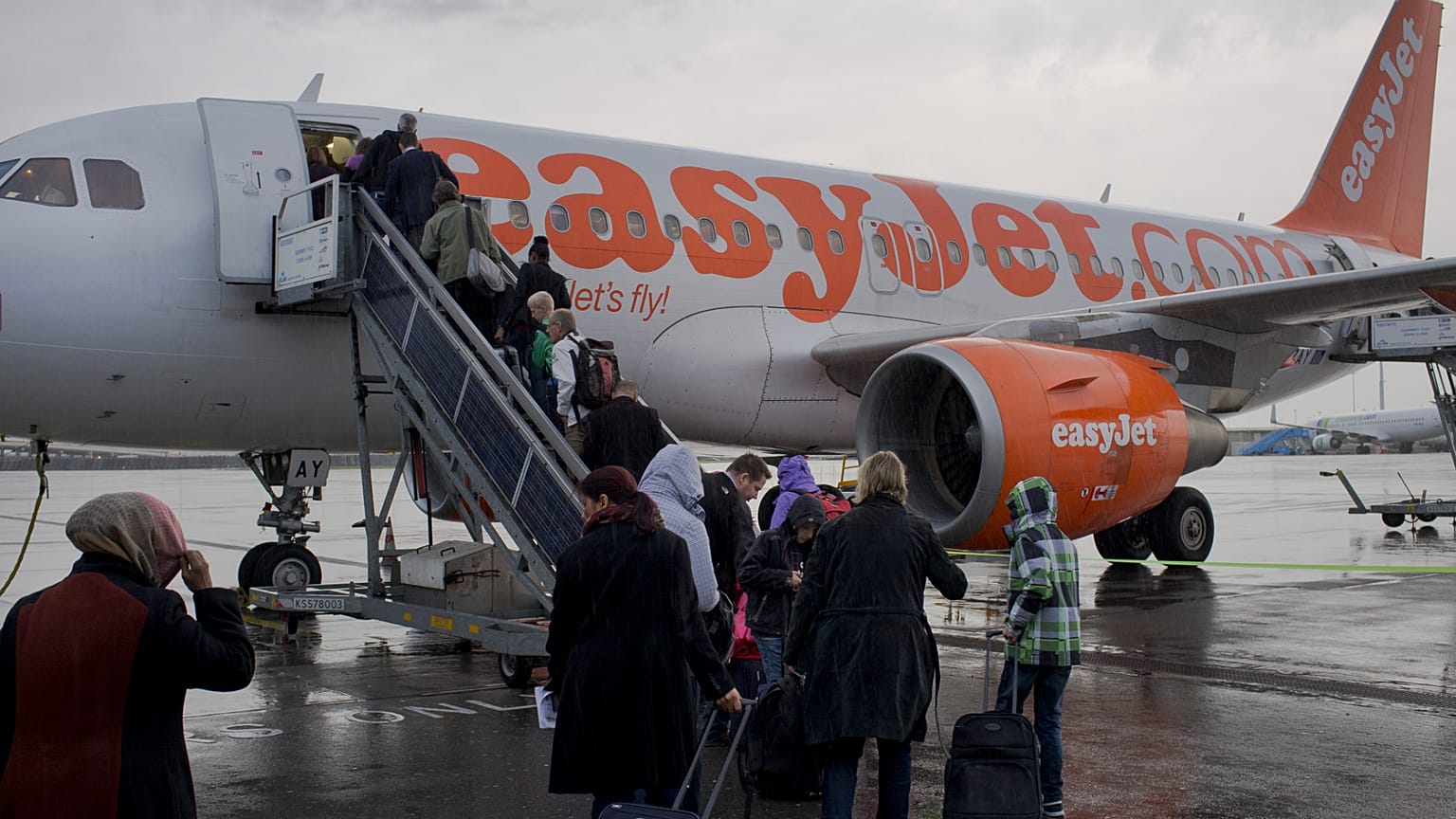
EasyJet operates approximately 300 aircraft across Europe and North Africa, carrying around 90 million passengers annually – making it the continent’s second-largest budget carrier by passenger numbers after Ryanair. The airline’s valuation had struggled since the pandemic, weighed down by debt accumulated during the 2020 and 2021 groundings and persistent fuel cost volatility linked to the ongoing US-Iran escalation and global oil supply disruption, which the IEA warned this week threatens aviation markets. That combination of depressed valuation and durable network value made it a target for private equity.
Castlelake, a U.S. credit and alternative-investment manager specializing in distressed and opportunistic strategies, surfaced as a prospective buyer in late May. Its July 6 acceptance by EasyJet’s board was seen as a resolution to weeks of market speculation. Apollo’s intervention just seven days later signals the transaction was considered underpriced by other buyers watching from the sidelines.
The questions neither bidder has answered publicly – and that EasyJet’s independent directors must now weigh – center on operational intent. What either firm plans to do with the airline’s cost structure, its labor agreements with multiple European unions, and its EasyJet Holidays package-travel division – which has become one of the company’s stronger margin contributors – remains unstated.
Apollo is among the world’s largest alternative asset managers with a track record that includes stakes in aircraft leasing companies, though it has not previously controlled a major European carrier. Taking on EasyJet’s full operations would represent a significant departure into direct airline management – a sector historically resistant to private equity ownership, partly because of the same EU rules that now stand between both bidders and completion.
The precedent most often cited is IAG’s abandoned 2020 bid for Air Europa, which stalled on precisely the same nationality provisions before eventually being withdrawn. European corporate restructurings involving government-linked rules have consistently produced difficult outcomes, a pattern visible across other sectors from Volkswagen’s supervisory board conflict over workforce and brand restructuring to sovereign disputes about airline ownership across the bloc.
Sir Stelios’s easyGroup vehicle sits at the center of the ownership question. EasyGroup licenses the easyJet name to the airline under a long-term commercial agreement, and Apollo’s pledge to extend that arrangement is both a financial inducement and a regulatory signal – a demonstration that, if EU regulators insist on European nominal control, the easyGroup structure could provide a pathway. Whether Brussels will accept that construction remains to be tested.
For EasyJet employees and passengers, the immediate picture is unchanged. The airline operates its full schedule. The formal question – which private equity firm, if either, takes the keys – will not be resolved until at least the first week of August, when the Castlelake deadline on August 3 and the Apollo deadline on August 7 expire within four days of each other.