
NEW YORK – Carl Icahn agreed to sell the Pep Boys automotive service chain to Mavis Discount Tire for $700 million in cash, the Wall Street Journal reported Tuesday, ending more than three decades of Icahn ownership of one of the United States’ most recognisable vehicle maintenance brands.
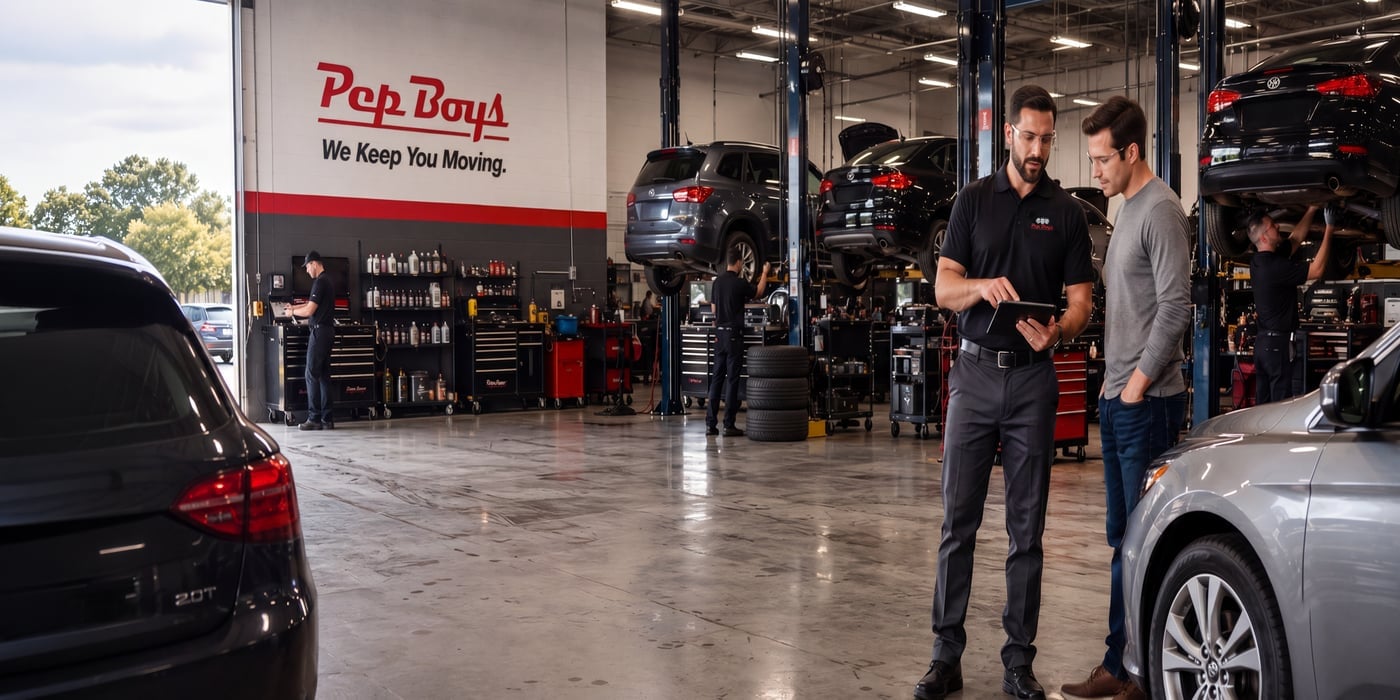
The deal would combine two of the largest independent auto service networks in the country. Mavis, a New York-based tire and service company that has been expanding aggressively through acquisitions, operates roughly 2,000 locations. Pep Boys, founded in Philadelphia in 1921, operates more than 1,000 service centres and retail locations across the United States and Puerto Rico.
For Icahn, the sale marks a significant portfolio rebalancing at Icahn Enterprises. The activist investor took Pep Boys private in a contested 2016 takeover that cost $1.3 billion, outbidding Japan’s Bridgestone in a prolonged negotiation. He has faced sustained pressure on the holding company’s structure since a 2023 short-seller report alleged that Icahn Enterprises was overleveraged and that Icahn had pledged most of his personal shares in the company as loan collateral. Icahn disputed that characterisation at the time.
At $700 million, the Pep Boys sale values the chain at roughly half what Icahn paid for it a decade ago. The discount reflects the pressures the brick-and-mortar auto service sector has absorbed since then: parts retail squeezed by e-commerce logistics, labour costs elevated persistently since the pandemic, and a long-running question about what the transition to electric vehicles means for traditional combustion-engine service volumes.
Mavis has nonetheless identified scale as the answer to those pressures. The company had roughly 40 locations in 2010 and has grown through acquisitions of regional tire and service chains into a national competitor. Adding Pep Boys’ service bay network and inventory management infrastructure would significantly accelerate that trajectory and give Mavis a genuine national footprint for the first time.
The auto service sector has been consolidating faster than most retail categories over the past five years. Dealer-owned service networks, which benefit from direct access to manufacturer warranty work, have expanded their share of routine maintenance as new-car buyers increasingly default to their selling dealerships for servicing. Independents have responded with scale, building the purchasing power and brand recognition needed to retain customers who bought their cars elsewhere.
Icahn’s decision to sell rather than continue absorbing losses in a high-cost operating environment follows a broader pattern at Icahn Enterprises. The holding company has been shedding and rationalising assets as it manages leverage questions raised by the Hindenburg report and as Icahn himself approaches his late eighties. The paths to a meaningful recovery in Pep Boys’ valuation had narrowed considerably since the e-commerce shift accelerated parts retail away from physical stores.
Filings with the Securities and Exchange Commission show Icahn Enterprises has been reducing complexity across its portfolio in recent reporting periods, though the pace of individual disposals has been uneven. The Pep Boys sale, if completed, would represent one of the more substantial individual asset disposals in that process.
In a context of sector-wide consolidation, the deal follows logic similar to the private equity takeover bid for easyJet that concluded last month: a seller monetising a large, operationally complex asset in a period where cost pressures make continued ownership expensive and where a buyer willing to pay a meaningful sum has emerged. The cultural integration of a national chain with deep brand loyalty carries its own risks, however. Pep Boys has historically skewed toward do-it-yourself mechanics and budget-conscious vehicle owners, a demographic that Mavis’s more service-oriented model has not previously targeted at scale.
Kroger’s acquisition of Giant Eagle for $1.65 billion in early July illustrated a similar dynamic in a different sector: a major chain absorbing a regional operator to achieve scale in a low-margin, high-operating-cost industry. The parallel is imperfect, but the underlying logic of consolidation driven by structural cost pressure is consistent across categories where physical footprint, labour intensity, and e-commerce competition all converge.
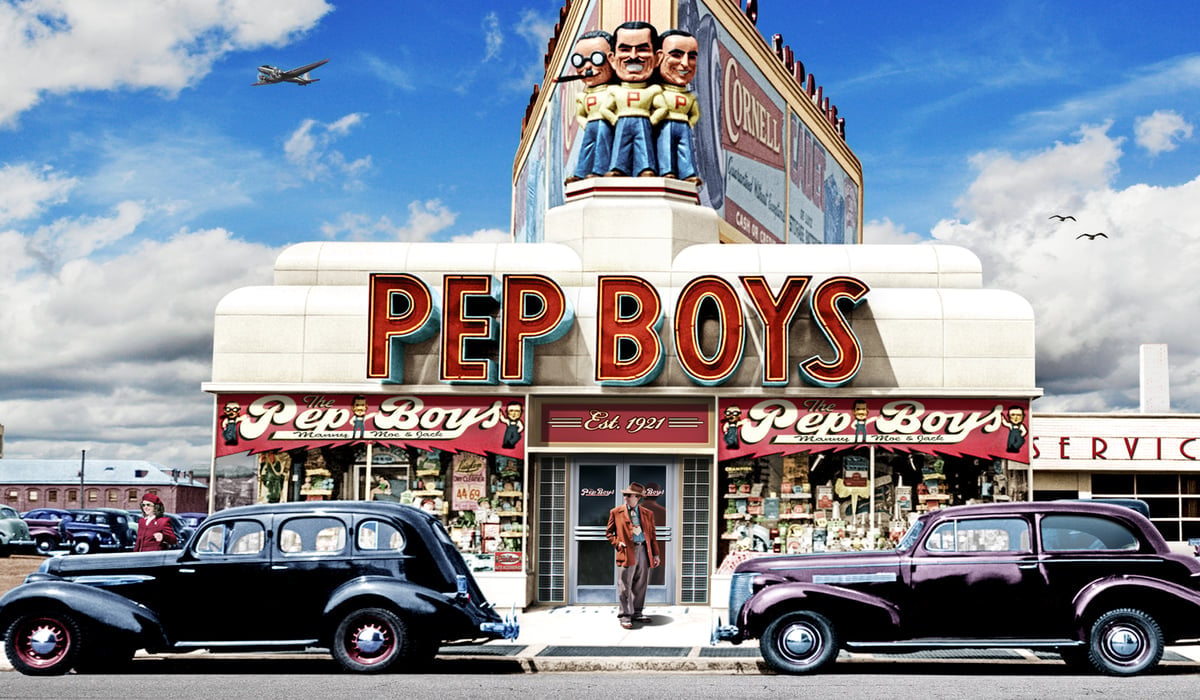
Mavis has not commented publicly on plans for the Pep Boys brand. Whether the company retains the Pep Boys name, converts locations to the Mavis banner, or operates a dual-brand structure will be a significant early signal about its integration strategy. The Pep Boys mascots, Manny, Moe, and Jack, have appeared in American advertising since 1921 and carry brand recognition that is not easily discarded without customer attrition risk.
For Icahn personally, the timing underscores a selective unwinding that activist investors of his generation have been executing as they approach the end of their operational careers. Selling Pep Boys for half what he paid for it is not the outcome Icahn originally intended when he outbid Bridgestone in 2016. But in a sector remade by e-commerce, electrification pressure, and labour cost inflation, the number of paths to recovery had narrowed. A buyer at $700 million, willing to absorb the complexity and committed to the sector’s long-term consolidation logic, was there. The deal, subject to regulatory review, is expected to close later this year.