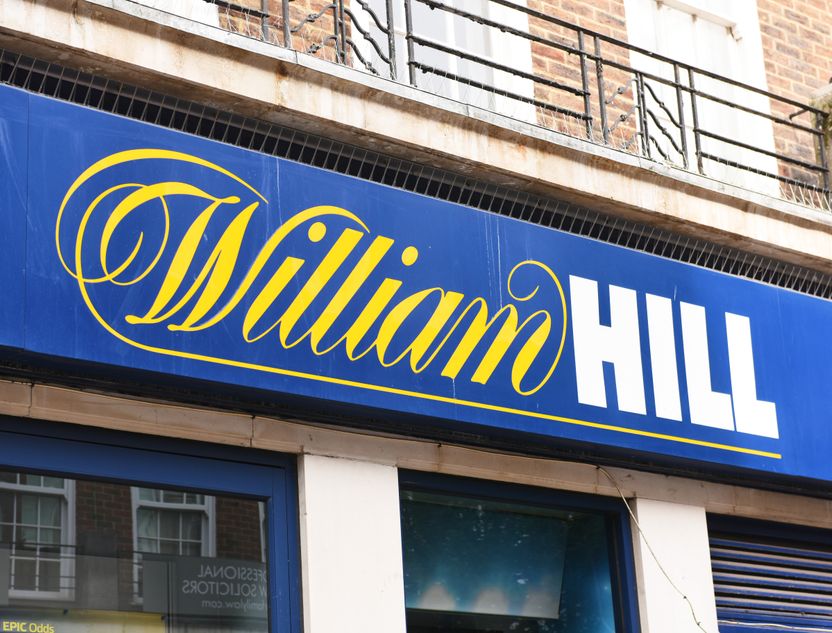

LONDON — The name above the betting shop door has not changed, but by early 2027, the ownership structure behind William Hill will look nothing like it did at the start of this decade. Bally’s Intralot, the Athens-listed lottery and gaming operator, announced Friday it has agreed to acquire Evoke PLC — the London-listed group that owns William Hill, 888, and Mr Green — in a recommended all-share deal valuing Evoke at approximately £243 million. Evoke’s shares surged more than 16 percent on the news.
The offer values each Evoke share at 52 pence, up from the original 50 pence that Bally’s Intralot put on the table in April. It represents a 138 percent premium to Evoke’s closing price of 21.9 pence on December 9, 2025 — the last trading day before the company disclosed it was conducting a strategic review. Under the terms of the agreement, Evoke shareholders will receive 0.537 new Bally’s Intralot shares for each share they hold, with a partial cash alternative available and capped at roughly £117 million.
Financing the transaction falls on three private equity firms. TPG Credit, Oaktree, and OHA have committed approximately £889 million between them — money earmarked to support the acquisition and, critically, to refinance Evoke’s £1.86 billion debt load, which has haunted the company since it completed the £2 billion purchase of William Hill’s non-US operations from Caesars Entertainment in 2022. That acquisition, executed by what was then called 888 Holdings, left the enlarged group structurally exposed at a moment when consumer behaviour and regulatory policy were both moving in the wrong direction for bookmakers.
Labour’s autumn 2024 Budget delivered the blow that ultimately forced the company’s hand. The government’s decision to nearly double the remote gaming duty — from 21 percent to 50 percent for some categories of online casino products, and a combined effective rise that chief executive Per Widerstrom said would cost Evoke up to £135 million per year — was the event that began the unravelling. A strategic review followed in December. Talks with Bally’s Intralot started in April. The original deadline of May 18 for a firm offer or withdrawal was extended by three weeks. Friday’s announcement is the conclusion of that six-month process.
The human cost was already visible on the high street before any takeover was agreed. In April, Evoke announced it would close approximately 270 William Hill betting shops, citing the Budget’s tax changes as a primary driver. The closures represent a meaningful contraction of a bookmaking network that traces its roots to 1934, when William Hill opened his first operation. The shops that survived that round will now pass to a new corporate parent — if and when regulators approve the deal, which the two companies expect to happen in either the fourth quarter of 2026 or the first quarter of 2027.
Bally’s Intralot was itself formed only last year through the combination of Athens-based Intralot, a lottery management and technology company with operations across more than a dozen countries, and Bally’s Corporation, the US casino operator best known in Britain as the front-of-shirt sponsor for Nottingham Forest Football Club. The merged entity is listed on the Athens Stock Exchange under the ticker BYLOT and, according to its chairman Soo Kim, sees the Evoke deal as the foundation of a “leading, diversified European gaming champion.”
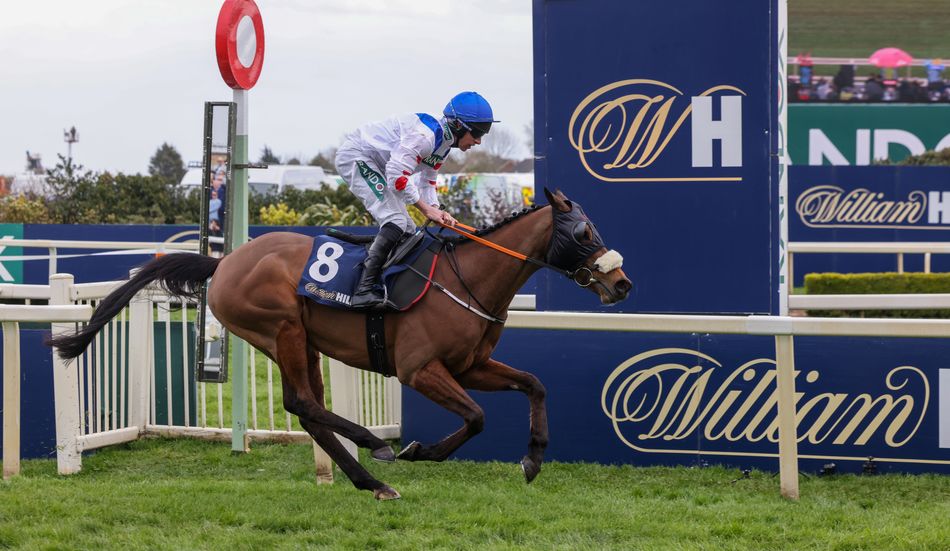
The combination would unite Evoke’s legacy consumer brands — William Hill carries particular weight as one of Britain’s most recognised high street names — with Intralot’s technology infrastructure and government-lottery expertise in markets including Greece, Morocco, and several US states. The combined group’s operations would span six core markets, according to the joint statement issued Friday, though neither company specified which six. Sokratis Kokkalis, the chairman of Bally’s Intralot’s board, called the transaction “the beginning of a major new chapter” and said it demonstrated “the new momentum our company has gained.”
Evoke’s chairman Mark Summerfield framed the outcome as the best available answer to an impossible set of constraints. In a statement released alongside the deal announcement, Summerfield said the board had been focused on maximising value for shareholders given the UK duty changes and the constraints of Evoke’s capital structure, and concluded that the Bally’s Intralot offer represented the most attractive and deliverable outcome. He expressed confidence in the new owner’s long-term intentions.
The language of shareholder value will land differently depending on when a shareholder bought in. Anyone who held Evoke stock at 21.9 pence in December is looking at a meaningful return. Anyone who paid closer to the £2 per share levels that prevailed when 888 was completing the William Hill acquisition is sitting on losses that no premium can fully address. According to City A.M., shares in Evoke have fallen more than 88 percent over the past five years.
Evoke is not an isolated casualty. Britain’s online gambling sector has been repriced by the combination of higher remote gaming duty, tighter advertising restrictions, and consumers migrating to prediction markets and other unregulated alternatives that operate outside the duty perimeter. The structural economics of licensed online bookmaking in the UK have deteriorated sharply since 2022, and several operators are examining whether their London listings still make sense. What the Evoke deal tests is whether the answer is to sell to continental operators with lower debt and different revenue structures, rather than to restructure in place. The broader debate over how governments tax and regulate gambling has now produced its most consequential corporate casualty in Britain’s licensed industry.
What the deal does not yet answer is whether Bally’s Intralot can operate Evoke’s legacy estate more effectively than the existing management — or whether William Hill’s brand equity, still considerable in the British market, translates into a competitive asset for a Greek-American conglomerate navigating an unfamiliar regulatory and cultural environment. Completion requires Evoke shareholder approval, Bally’s Intralot shareholder approval, and clearance from the UK Gambling Commission and other relevant authorities. iGaming Business reported that the combined group would hold operations across six core markets, positioning itself as a diversified European gaming champion. The shape of those regulatory conversations is not yet public.
For the workers behind the counter at the William Hill shops that survive, and for the customers who still use them, the question is simpler: whether the new owners invest or extract. That answer will come later.