
LONDON – The straight answer came not from Serena Williams, but from Andrea Petkovic. And the straight answer is this: nobody endures 5 a.m. drug-testing knocks on their door just to play doubles.
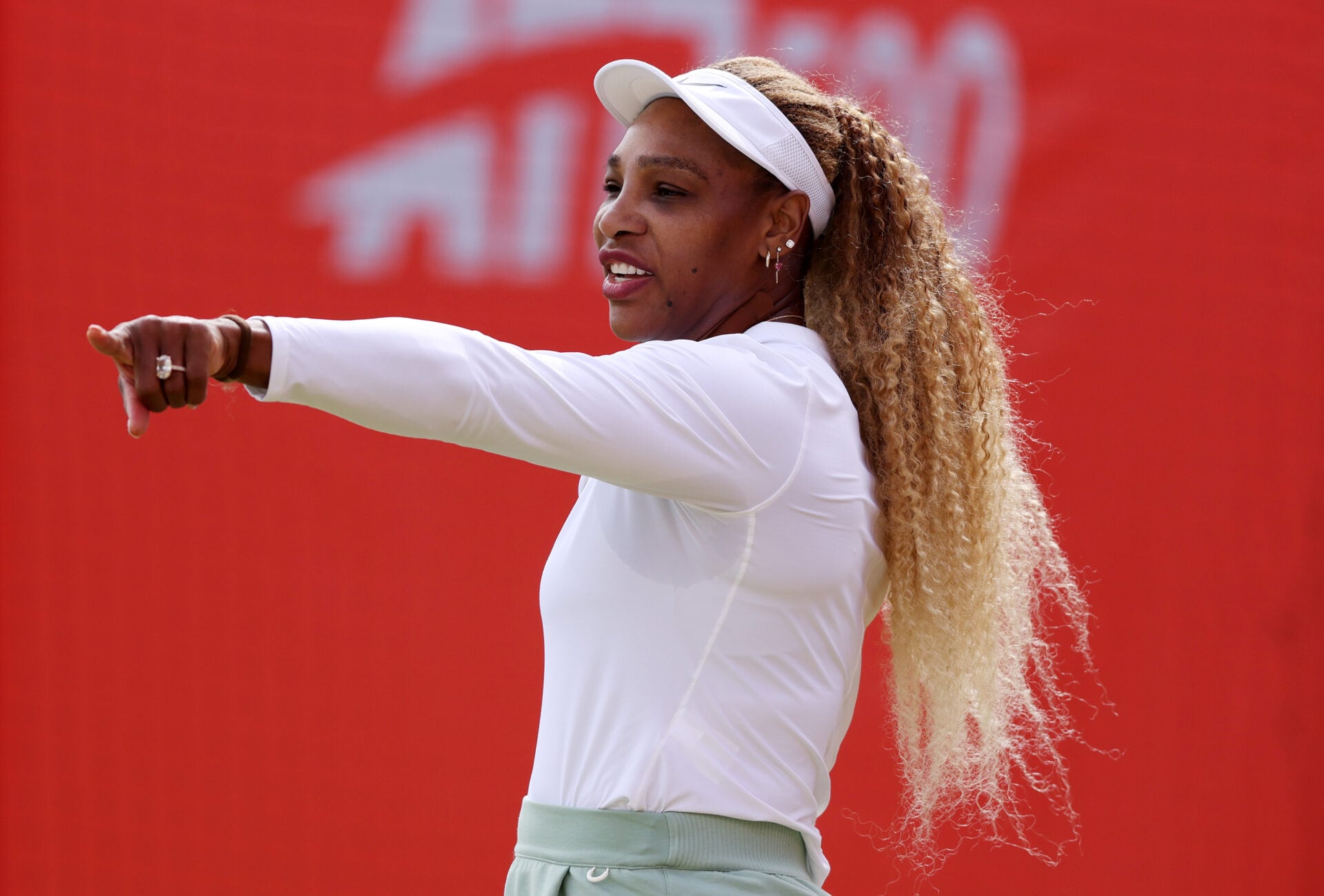
Petkovic, the retired German player who now co-hosts the Becker Petkovic podcast alongside Boris Becker, was blunt about what she believes is the real logic behind Williams’s return to professional tennis after nearly four years away. Williams, 44, has insisted throughout her comeback at the Queen’s Club Championships that she has no plans for singles – that she is playing doubles because she missed the competition. Petkovic doesn’t buy a word of it.
“In my opinion, no person in this world, no athlete in the world, voluntarily goes back into these anti-doping protocols, and especially not Serena Williams,” Petkovic said on the podcast. “You give up part of your freedom, your life. They know where you are every day at every hour and can visit you every day at any time. They usually come at five in the morning, just to mess with you. Nobody does this, Boris, just to play a bit of doubles.”
It is an argument that cuts through the pleasantries surrounding Williams’s grass-court tour more effectively than any match result. Re-entering the whereabouts program – the system under which tested athletes must submit their locations in advance, hour by hour, to authorized anti-doping agencies – is a significant logistical and personal commitment. It is not a commitment anyone makes casually. Petkovic’s read is that Williams made it with a specific destination in mind.
The evidence on the court supported that reading. Williams’s return at Queen’s Club alongside Victoria Mboko produced a 7-6, 6-2 first-round victory over Nicole Melichar-Martinez and Erin Routliffe – a result that would have meant little if the tennis had looked like a 44-year-old testing her legs. It did not. She was serving at 120 miles per hour, Petkovic noted. The stands were sold out.
“I watched her match and I have to say, Boris, she was fantastic,” Petkovic said. “The stadium was full, with all seats sold out to the last one. If she can transfer that to singles matches – I would never do it, but good for her.”
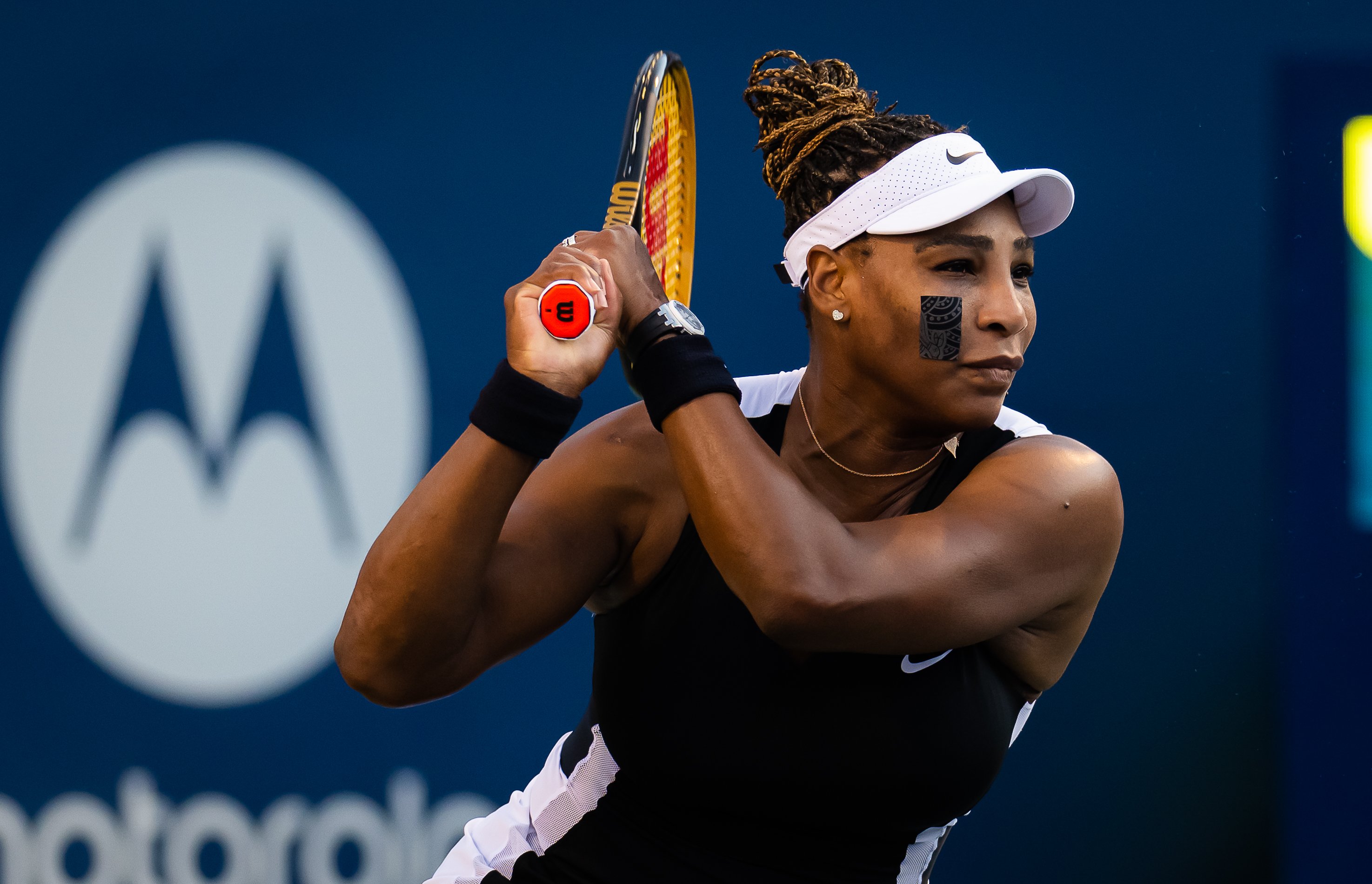
Mboko, the world No. 9, withdrew midway through Queen’s with a knee injury, cutting Williams’s stint short before she had any chance to build into the tournament. But the plan was already in motion. Williams has since confirmed she will play doubles at the WTA 500 Berlin Tennis Open alongside Karolina Muchova, with their first-round match set for Tuesday against Erin Routliffe and Giuliana Olmos – before a widely expected appearance at Wimbledon, where the All England Club has all but confirmed her participation. Club chief executive Sally Bolton told Reuters that “one can only imagine” the excitement if Williams appeared at the Championships.
Petkovic has a particular view of the Wimbledon doubles draw, too. Williams has won the event six times, all alongside her sister Venus. The possibility of Venus and Serena pairing again at SW19 has not been formally confirmed, but it has not been denied, and it hangs over the grass-court season as the most anticipated what-if in women’s tennis since Williams’s retirement announcement in August 2022.
What made Petkovic’s assessment sharper was the context in which she delivered it. Williams’s comeback had been announced during Roland Garros, where Alexander Zverev was completing one of the more dominant clay-court seasons in recent memory and Mirra Andreeva was dismantling a generation of top-ten players. Petkovic, hosting a segment for CNN during the fortnight, refused to open her show with the Williams news. She was not apologetic about that decision.
“I hosted a program for CNN, and the day they announced her return, they wanted me to start the show talking about that,” she said. “I refused. I told them that right behind me, a Grand Slam tournament was taking place and the players were roasting in the heat. I refused to start the show with that.” For Petkovic, it was a question of proportionality: “Serena is an absolute legend, but as long as a major tournament is happening, I won’t start the show with that. The Grand Slam was no longer the most important thing; Serena’s return to doubles was more important. And that I could not accept.”
That tension – between the legitimate force of Williams’s celebrity and the athletes currently competing for the sport’s biggest prizes – has run beneath the surface of the entire comeback narrative. Berlin and Wimbledon will test how the tennis ecosystem resolves it. If Williams reaches the doubles final in either city, the question of what comes next will not stay theoretical for long.
What Petkovic has done, in plain terms, is offered the most credible insider reading of the comeback’s real architecture. She knows the anti-doping system from the inside. She knows what it costs. And she knows that the itinerary Williams is building – Queen’s to Berlin to Wimbledon – is a grass-court preparation schedule. Doubles is the vehicle. Whether it is also the destination is the one thing, as Petkovic freely concedes, nobody yet knows for certain.
Related Posts