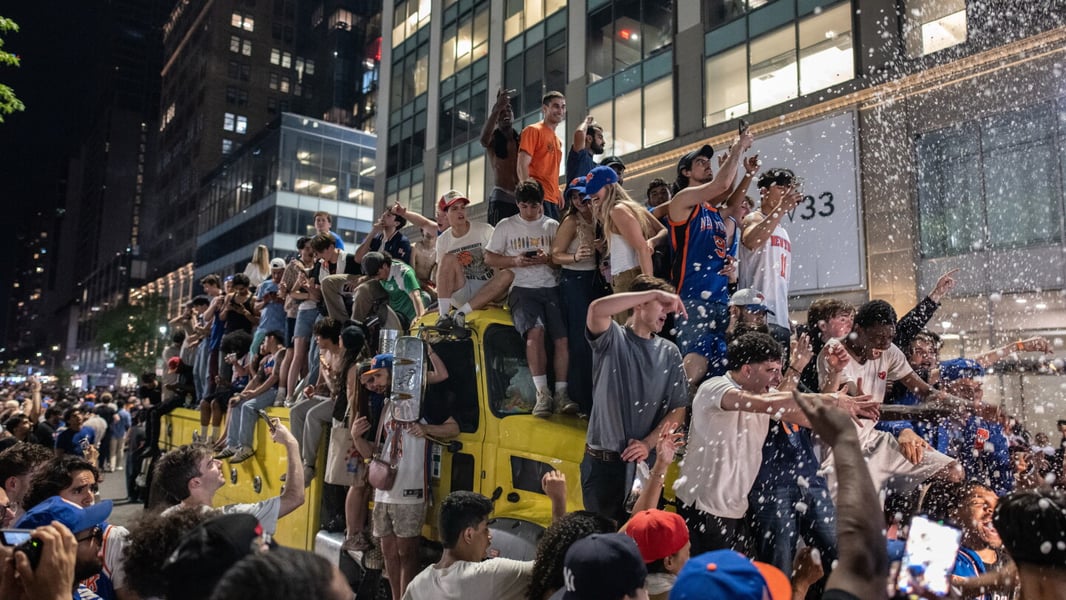

NEW YORK – The final buzzer had barely sounded at Frost Bank Center when the Knicks fans at Madison Square Garden began believing in something they hadn’t felt in more than half a century: that waiting long enough actually means something. That the drought, however punishing, eventually ends.
Jalen Brunson scored 45 points on Friday night as the Knicks closed out the San Antonio Spurs in five games, delivering New York its first NBA championship since 1973. The celebration that followed was singular, delirious, and deeply personal for anyone who had spent decades watching other cities pile up trophies. But it landed hardest as a piece of evidence – the kind sports fans desperately collect – for the 19 NFL fan bases still waiting on their own version of that night.
The question those fans are now quietly asking themselves is not sentimental. It is structural. The NBA and NFL are governed by similar salary-cap architecture, sold to fans on the same promise: competitive balance, cyclical contention, any team in any given year. If the Knicks could wait 53 years and then win, the argument goes, so can the Cowboys. So can the Jets. So can the Bears.
The math, unfortunately, is less generous than the mythology.
Of the 32 NFL franchises, just 13 have accounted for all 30 Super Bowl victories since 1996 – the period during which the league’s current salary-cap framework has been fully operational. The Kansas City Chiefs alone have won four of the last seven. New England won six titles between 2001 and 2018. The Philadelphia Eagles and Los Angeles Rams have each claimed a championship in the last decade. For a league that markets itself on parity, the concentration of championships is striking.
The Miami Dolphins, who last won a Super Bowl after the 1973 season – the same year the old Knicks dynasty ended – have now gone 52 seasons without a title, the longest active drought among teams that have actually won one. Pro Football Network reported the Dolphins have not so much as appeared in the Super Bowl in 42 years. They have had quarterbacks and coaches and front-office restructurings. They have had false dawns. They remain where they were.
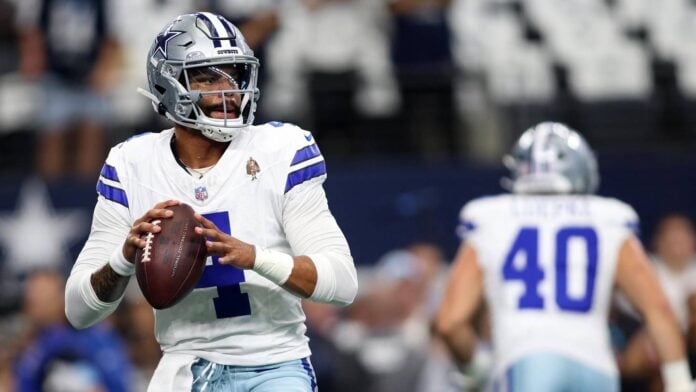
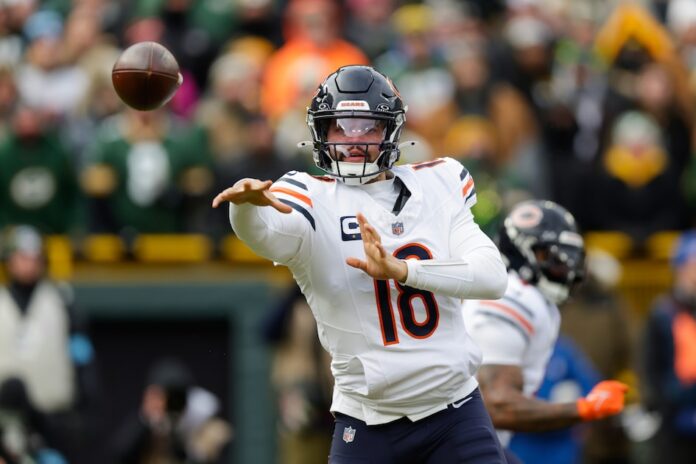
The New York Jets, who won the Super Bowl after the 1968 season under Joe Namath, are now 57 years removed from their only title. The Dallas Cowboys, the most valuable franchise in American professional sports, have not won since January 1996 – 30 years of Jerry Jones, coach cycles, quarterback controversies, and first-round exits. The Washington Commanders are at 34 years. The Chicago Bears, who last won in January 1986, sit at 40. The Las Vegas Raiders, at 42. The San Francisco 49ers, with three Super Bowl appearances in the modern era but no ring since 1995, have gotten close repeatedly without closing.
What separates the Knicks’ story from most of those NFL franchises is that the Knicks were not simply rebuilding for those 53 years. They were, at various moments, mismanaged, poorly coached, occasionally competitive, and sometimes embarrassing. The drought was not passive. It was active suffering. And yet the franchise found the right combination – Brunson’s emergence as a genuine franchise player, a front office willing to make aggressive moves at the trade deadline, a supporting cast that raised its level when the stage got largest – and it worked.
The NFL equivalent of that formula is available to any franchise. On paper. The Cowboys have the market, the money, and the history. The Bears, CBS Sports noted this week, are coming off a surprisingly competitive 2025 season that included their first playoff win since 2010. The Jets have spent years trying to construct around quarterbacks who either never arrived or arrived damaged. The question no fan base in a drought wants to sit with is the one that has no clean answer: is this franchise’s wait the product of bad luck and timing, or is it structural – something in the culture, the ownership, the decision-making, that will not yield to patience alone?
The Knicks answered that question in Madison Square Garden on Friday. The answer was: sometimes you just needed the right Jalen Brunson. What it does not tell you is how long the wait for him will be, or whether the next version of him is already on your roster, or three drafts away, or wearing someone else’s jersey.
Twelve NFL teams have never won a Super Bowl at all. The Buffalo Bills, the Cleveland Browns, the Cincinnati Bengals, the Detroit Lions, the Minnesota Vikings, the Houston Texans, the Jacksonville Jaguars, the Tennessee Titans, the Los Angeles Chargers, the Atlanta Falcons, the Carolina Panthers, and the Arizona Cardinals have each played an entire franchise history without a championship. For them, the Knicks model does not even fully apply – there is no previous summit to remember, no 1973 to point back at. The drought has no bottom.
Still, the Knicks’ 53-year wait carries weight because it dissolves the cruelest argument a losing fan base eventually faces: that some teams simply do not win, and probably never will. The evidence against that argument is now sitting in New York, draped in orange and blue. Whether the NFL’s version of that evidence ever arrives for Dallas or Miami or Chicago or New York’s other football team is something no salary cap can promise and no amount of waiting can guarantee.
What the Knicks proved Friday night is only that it can happen. Not when. Not for whom. Just that the door, however long it stays shut, is not permanently locked.